This article contains advertising. Some of the hotel, tour, activity, flight and transfer links in it are paid links: if you book through one, we get a commission from the booking company, and your price is the same either way. It never affects what we recommend. Affiliate disclosure
Three full days is the right amount of time in Athens for most first-time visitors, and two is the honest minimum if the city is your gateway to the islands. Stretch to four or five only for day trips, long museum mornings or a slower pace. That is our short answer to how many days in Athens you need. The rest of this page matches the number to the trip you are actually planning, with the ticket costs, closing times and transfer hours that decide it.
It is written for anyone pricing up a first visit, a cruise call or a stopover on the way to the ferries, and it is a decision page rather than a day-by-day plan: every answer ends at the matching route among our Athens itineraries for every trip length. One caveat matters more than the rest. We count full days on the ground, and an evening arrival and a dawn flight home are not a day each, whatever the booking site says. Details checked 26 September 2026 against the Hellenic Ministry of Culture, the Acropolis Museum, the National Archaeological Museum, OASA and the ferry and airline companies’ own sites.
How many days in Athens? The short answer
If you read one table, make it this one. Prices are per adult at the full rate.
| Question | Our answer |
|---|---|
| Minimum that works | 2 full days. One is possible from a cruise ship or on a long stopover, but it is a sprint around the Acropolis. |
| Sweet spot for a first visit | 3 full days, which usually means four nights. |
| With day trips | 5 days: three in the city, two out at Delphi, the Argolid, Cape Sounion or an island. |
| Athens plus islands in a week | 2 to 3 days in Athens, the rest on one or two islands. |
| Tickets for the big four | €90: Acropolis €30, Acropolis Museum €20, Ancient Agora €20, National Archaeological Museum €20. |
| Getting in | About an hour from the airport to Syntagma on the X95 bus (€5.50); the airport metro costs €9. Piraeus to Syntagma is about 20 minutes on metro Line 3. |
| Book ahead | Acropolis timed tickets on the Ministry’s own site, tickets.hh.gr, and island ferries for July and August. |
| Best time | April to June and September to October. July and August cost you the middle of every day. |
What’s changed in 2026?
Plenty of older advice gets the arithmetic of an Athens trip wrong, and several of the changes shift the number of days you need.
- The combined ticket is gone. The €30 five-day pass for the Acropolis and six other ancient sites disappeared in 2025. Every site now sells its own ticket, and buying all seven separately costs €105. On a short trip you choose your sites rather than collect them.
- The Acropolis costs €30 all year. Reduced tickets are €15 and the winter half price has gone. Entry is by timed ticket, the Ministry’s own site is the only official online seller, and no official skip-the-line product exists, whatever resellers call their tours.
- Free days at the Acropolis. Entry is free on 6 March, 18 April, 18 May, the last weekend of September and 28 October, and on the first and third Sundays of each month from 1 November to 31 March. The National Archaeological Museum, Delphi and other state sites follow the same Sunday pattern.
- The Kerameikos has reopened. The ancient cemetery near Thiseio closed in May 2025 for works and reopened in September 2026, at €10 (reduced €5). It is the best new reason to give Athens a fourth day.
- Heat and roadworks take hours back. In heatwaves the Ministry closes the Acropolis through the hottest part of the day (on 8 July 2025 it stayed shut until 17:00), and since April 2026 the area around Hadrian’s Arch has been closed for the Vasilissis Olgas Avenue works.
Which trip length fits you? The decision matrix
Start from the kind of traveller you are, not from a number someone else found comfortable. Find your row, then read the section for that trip length.
| You are | Give Athens | Why | Start from |
|---|---|---|---|
| On a cruise with one port day | 1 day | Piraeus is 20 minutes from Syntagma by metro, so the ship’s timetable is the limit | One-day plan |
| On a long stopover between flights | 1 day at most | The airport is about an hour from the centre each way | One-day plan, trimmed |
| Heading for the islands on a first trip to Greece | 2 days | Enough for the ancient core before the ferry | 3-day plan, minus a day |
| A first-timer with Athens as the main event | 3 days | All four big sites without rushing, plus evenings out | 3-day plan |
| A museum lover or returning visitor | 4 days | Second-rank sites, the reopened Kerameikos or one day out | 3-day plan plus one day trip |
| Keen on ancient Greece beyond the city | 5 days | Delphi and the Argolid each need a full day | 5-day plan |
| A family with young children | 3 to 4 days | The same sights at half the pace, with afternoon breaks | 3-day plan, slowed down |
| On a winter city break | 2 to 3 days | Shorter opening hours but thinner crowds | 3-day plan |
| Fitting Athens and the islands into a week | 2 to 3 days | A ferry day is a travel day, so keep island stops few | 7-day plan |
Two patterns run through the table. The Acropolis and the Acropolis Museum are the fixed cost of any trip: most of a day for the pair, whoever you are. And the gap between three days and five is almost entirely about leaving the city. If Delphi and Mycenae leave you cold, a fourth and fifth day in central Athens is pleasant rather than necessary, and the money may be better spent on another night on an island.
If you would rather work it out than pick a row, build the number in four moves:
- Count full days only: leave out your arrival and departure days unless you land before noon or fly after dark.
- Add the fixed cost: most of one day for the Acropolis and its museum, then half a day for each other big site you care about.
- Add a whole day for each trip out: Delphi, the Argolid or an island. Cape Sounion needs only an afternoon.
- Add half a day in July and August: the middle of each day goes to the heat, and sometimes to an Acropolis closure.
Is one day in Athens enough?
One day is enough to see the Acropolis properly and nowhere near enough to understand the city. That is the trade, and for cruise passengers and stopover travellers it is often the only one on offer.
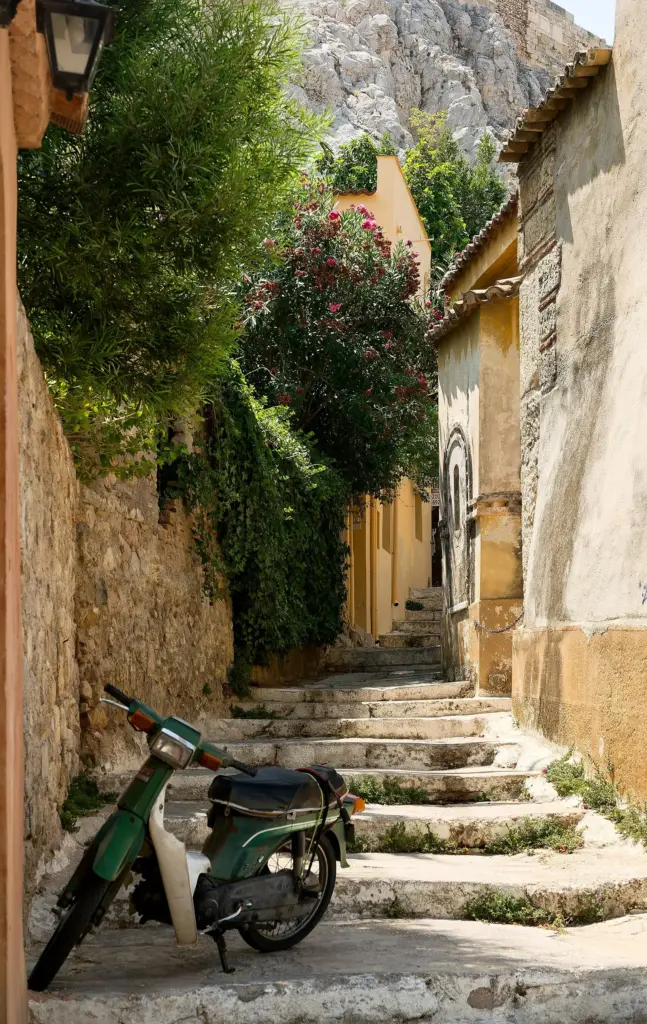
What fits is the obvious core: the Acropolis on an early timed slot, the Acropolis Museum at the foot of the hill straight afterwards, a late lunch, and a slow loop through the lanes of Plaka and Anafiotika. Everything else falls away. The National Archaeological Museum, the Ancient Agora at any depth and the city after dark all go, and the evenings are when Athens is at its most likeable.
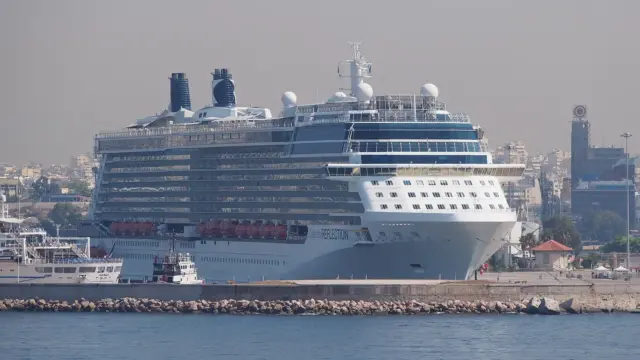
Cruise passengers have the easier version. Piraeus is a separate city about 10 km south-west of the centre, and metro Line 3 reaches Syntagma in about 20 minutes, so the ship’s timetable, not the distance, sets the pace. Our Athens cruise port guide covers the transfer both ways. Stopovers are harder. The X95 bus takes about an hour between the airport and Syntagma, and the airline wants you back well before departure, so with fewer than ten hours between flights we’d stay at the airport.
Heat is the wild card. In July and August the Ministry can close the Acropolis through the hottest hours, and on a one-day visit there is no tomorrow to move it to. Book the first slot and keep the museum as your fallback.
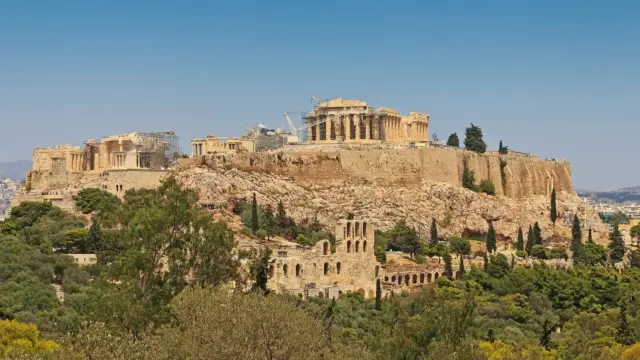
Plan it: Acropolis €30 on a timed ticket, first entry 08:00; Acropolis Museum €20, open 09:00-20:00 Tuesday to Sunday until 31 October (Mondays to 17:00, Fridays to 22:00); Akropoli station on metro Line 2 serves both; allow at least five hours for the pair.
Verdict: take one day if it is all you have, but never choose it. Our one day in Athens itinerary puts the sprint in the right order.
Is 2 days in Athens enough?
For the ancient core, yes, and the core is what most island-bound travellers want from the city. Two full days covers the Acropolis and its museum, the Ancient Agora with the Temple of Hephaestus, and one of two things: the National Archaeological Museum, or a long evening in Psirri (Psyrri) and Monastiraki. You can’t comfortably have both.
What you give up is slack. Two days leaves no room for a heatwave closure, a strike or a wet morning, and none at all for a day trip. The ticket bill also arrives quickly: the Acropolis, the Acropolis Museum and the Agora come to €70 before the National Archaeological Museum adds another €20.
The other kind of 2 days in Athens is the weekend city break, and in winter it works better than you might expect. From 1 November the Acropolis keeps 08:00-17:00 hours, the Acropolis Museum stays open until 22:00 on Fridays and 20:00 at weekends, and the summer queues shrink. A Friday evening in the museum frees Saturday morning for the hill.
For the order of things, take our three-day plan for first-timers and drop the day you care least about.
Verdict: two days is the least we’d give Athens on a first trip to Greece, and exactly right if the islands are the point.
Why 3 days in Athens is the sweet spot
Three full days is where Athens stops being a checklist. The four big tickets (€90 in all) each get a morning, while the light is soft and the stone still cool, and the afternoons go to what makes the city: a long lunch, a neighbourhood walk, a hill at sunset. Nobody has to choose between the National Archaeological Museum and dinner in Koukaki.
It also buys a spare half day, which matters more than it sounds. If a heatwave shuts the Acropolis at noon, a strike stops the metro or the rain sets in, you move things instead of losing them. On a two-day trip the same bad luck costs you a sight.

The city’s transport tickets happen to suit three days as well. OASA’s 3-day tourist ticket costs €20 and includes a return airport journey, against €9 for a single airport metro ride, so it pays for itself if your stay fits inside its three days. The ordinary €1.20 90-minute ticket is not valid on the airport lines, which catches out plenty of new arrivals.
What three days still leaves out is the day trips, unless you swap an afternoon for Cape Sounion, and the second rank of museums and ruins. Most first-timers won’t miss them, and the ones who do are the people the next two sections are for. Our 3-day Athens itinerary sets the three days out in order.
Plan it: €90 for the big four and €20 for the 3-day tourist ticket; allow a morning each for the Acropolis, the Agora and the National Archaeological Museum, and two hours or more for the Acropolis Museum. Book the Acropolis slot first, then build the rest around it.
What does a fourth day add?
A fourth day unlocks nothing essential. What it gives you is choice, which is exactly what museum lovers, returning visitors and families need. Spend it one of three ways.
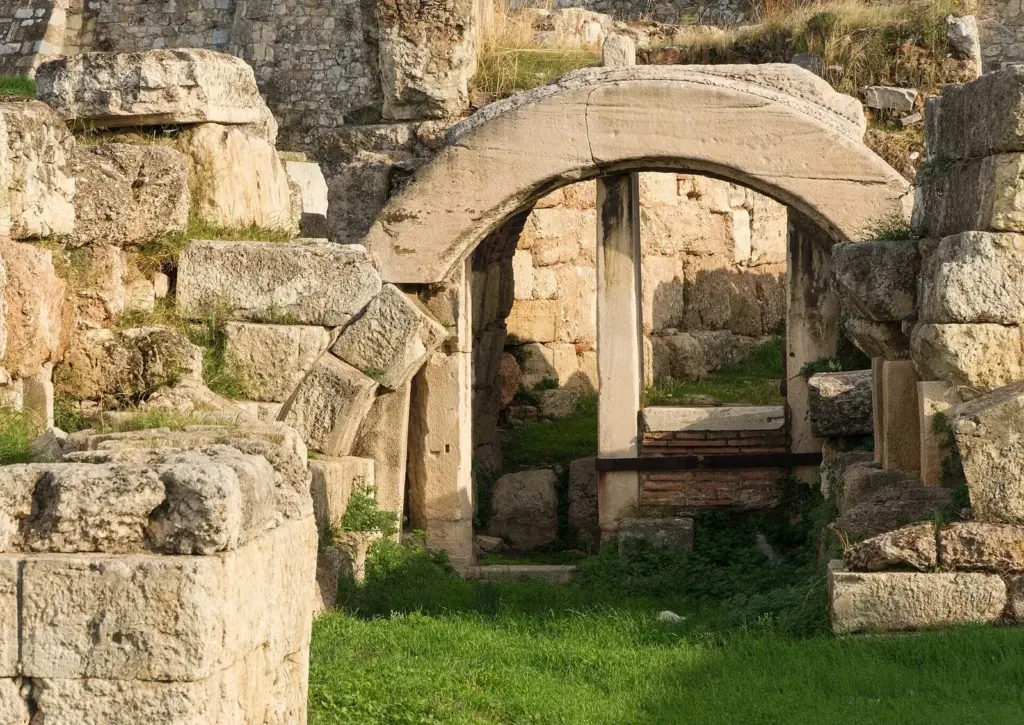
The quieter ancient city. Since the combined ticket went, the second-rank sites are the easiest to cut from a short trip, which is why they reward a fourth day. The Kerameikos, the ancient cemetery by Thiseio, reopened in September 2026 after 16 months of works (€10), and the Roman Agora is €10 too. Neither draws Acropolis-sized crowds.
Modern Athens. The Stavros Niarchos Foundation Cultural Centre in Kallithea, with its park, the National Library and the opera, is open 06:00-00:00 and runs a shuttle bus from Syngrou-Fix metro. It shows a side of the city that a three-day ancient circuit never reaches.
A trip out. Cape Sounion fits into an afternoon; Delphi or an island needs the whole day, and the next section weighs them up.
For families, the fourth day is the one that stops the trip turning into a march. Four days in Athens with children is the same sightseeing as three days for adults, spread out, with the hot hours spent somewhere shady or wet. To build it, start from the three-day plan and borrow one day out of our five-day itinerary with day trips.
Verdict: worth it for the curious, and skippable for anyone heading on to the islands, who will get more from an extra night there.
When 5 days in Athens makes sense
Five days makes sense when two of them are spent outside the city. Athens is the natural base for the best day trips in mainland Greece, and three of them take a whole day each.
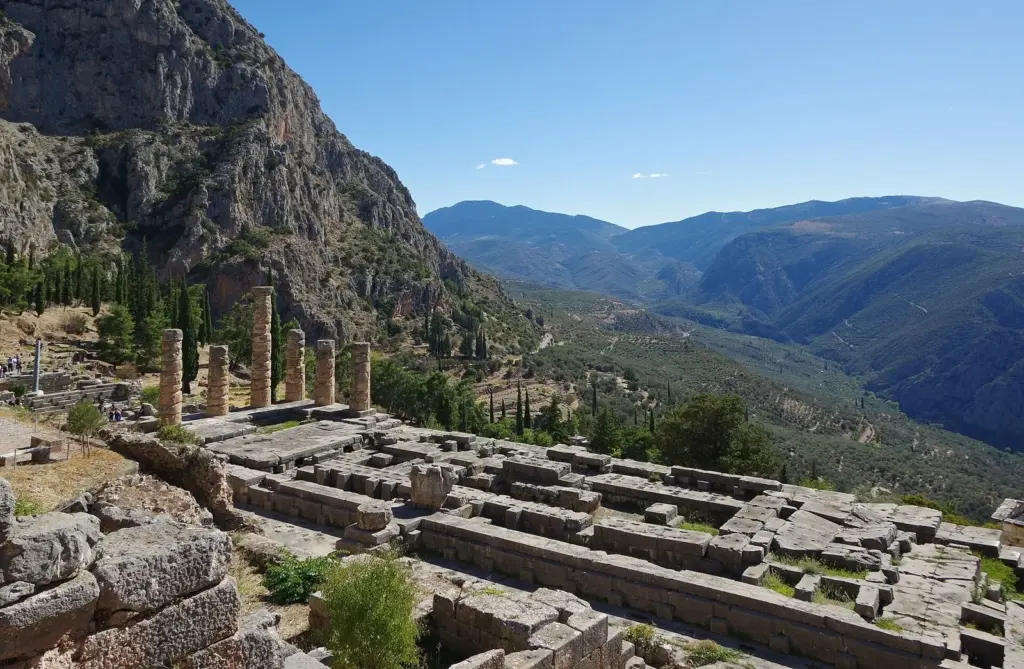
Delphi, a full day. The sanctuary of Apollo on the slopes of Mount Parnassus costs €20 (reduced €10). From 1 November to 31 March the site keeps short hours, 08:30-15:30 with last admission at 15:10, which is tight once the road there is counted, so in winter leave early or go with a tour. Check what is open before you book: the Ministry lists the sanctuary of Athena Pronaia, home of the much-photographed Tholos, as closed because of access restrictions, and the Kastalia spring and the Stadium are shut for rockfall-prevention works.
The Argolid, a full day. Mycenae, the theatre at Epidaurus and the old town of Nafplio add up to the richest single day out of Athens. It is a day for a hire car or a tour, because stringing three sites together by public bus eats the day.
An island, a full day. Aegina and Hydra are the usual Saronic Gulf day trips from Piraeus. They are pleasant, but if you are going on to the Cyclades anyway, give the day to Athens and save your island time for later.
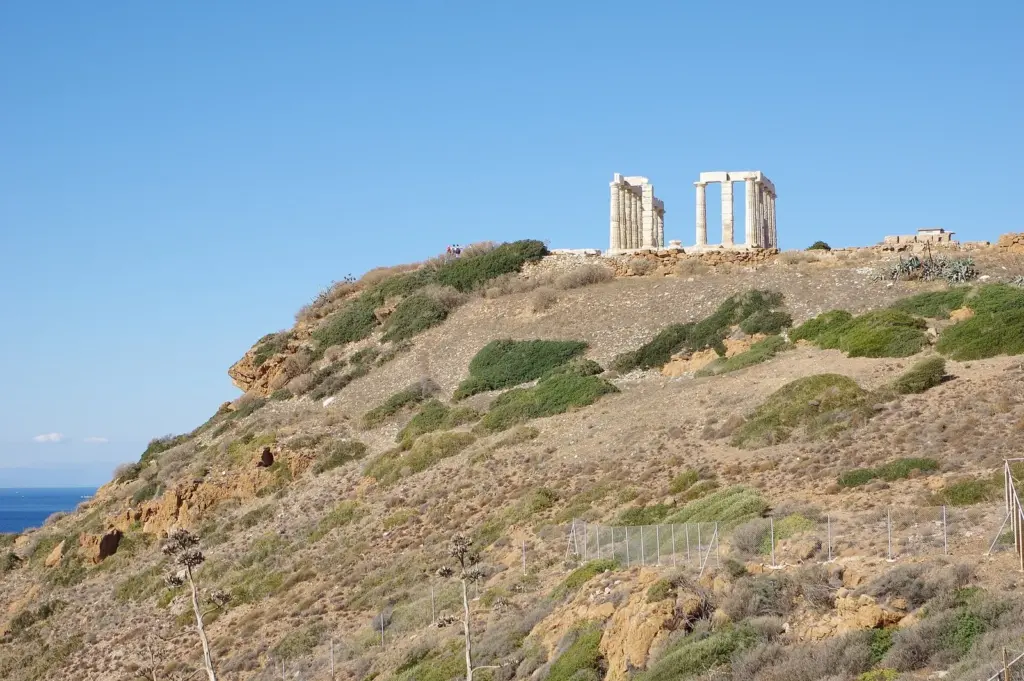
Cape Sounion, half a day. The Temple of Poseidon stands on the southern tip of Attica above the sea, and the reason to go is the sunset: before 19:00 in mid-October, just after 17:00 in December. It pairs well with a lazy morning.
One day trip we’d skip is Meteora. Tours sell it from Athens, but it is a long way to go for a few hours among the monasteries, and it deserves a night of its own.
So, is 5 days in Athens too long? Only if all five are spent in the centre in August. With two days out, five is the length that lets ancient-history fans see Delphi and Mycenae without changing hotels. Our 5-day Athens itinerary with day trips puts the city days and the days out in a sensible order.
Day trips: Guided day trips from Athens include Cape Sounion, Delphi, Meteora and Epidaurus.
What does each extra day cost in tickets?
Since the combined ticket went, every extra day in Athens comes with its own entry bill, and it is worth seeing before you settle the number. These are full adult prices for the paid sights we’d add at each length, before food, beds and tours.
| Trip length | Paid sights we’d add | Entry tickets, running total | Getting around |
|---|---|---|---|
| 1 day | Acropolis and the Acropolis Museum | €50 | €1.20 a metro ride from Piraeus; €9 each way on the airport metro |
| 2 days | Ancient Agora | €70 | €4.10 for each 24-hour ticket, plus airport fares |
| 3 days | National Archaeological Museum | €90 | €20 3-day tourist ticket, airport return included |
| 4 days | Kerameikos and Roman Agora | €110 | €8.20 5-day ticket, plus airport fares |
| 5 days | Delphi | €130, plus the trip out | €8.20 5-day ticket, plus airport fares |
Two things stand out. The fourth and fifth days are cheap in tickets but not in transport, because the trip out to Delphi or the Argolid is where the real money goes, and we haven’t priced tours or car hire here. And reduced tickets (€15 at the Acropolis, €5 to €10 at most of the others) exist for those who qualify, so check the eligibility lists before you pay full price.
A week: how to split Athens and the islands
Many people asking how long to spend in Athens are really asking how much of a Greek week to give it. Our answer is two or three days in Athens and the rest on one island, or on two if they’re a short hop apart. Three islands in a week is a ferry holiday, not a Greek one.
The rule that decides it is simple: a ferry day is a travel day. Blue Star quotes Piraeus to Santorini “from 6 hours 6 minutes”, but that is its fastest sailing. On 30 July 2026 its Blue Star 1 left Piraeus at 17:30, called at Paros at 21:30 and Naxos at 23:15, and reached Santorini at 02:00. Aegean and SKY express both fly Athens to Santorini nonstop, which shrinks the crossing to half a day, airports included. For Mykonos, Rafina, the smaller port east of Athens, is the quicker start: Golden Star lists its high-speed ferry at 2 hours 30 minutes.
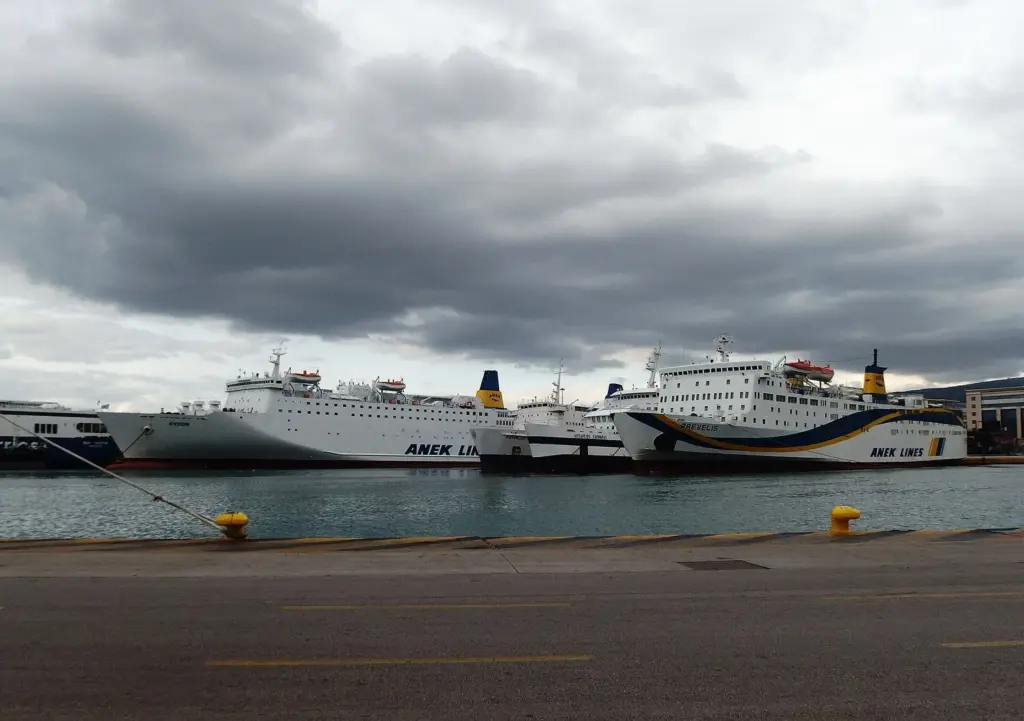
Put your Athens days at the end if you fly home from Athens. Wind rearranges summer sailings as well as winter ones: Blue Star posted bad-weather changes to its itineraries for 28 July to 2 August and 9 to 11 August 2026. A spare night in the city turns a cancelled ferry into an inconvenience rather than a missed flight.
| Your trip | Athens | Islands | Watch out for |
|---|---|---|---|
| 5 days, one island | 2 days | 3 days on Mykonos, 2 hours 30 minutes from Rafina by high-speed ferry | Santorini is a long way for three days unless you fly |
| 7 days, one island | 3 days | 4 days on Santorini, Naxos or Paros | The conventional ferry took four hours to Paros and eight and a half to Santorini on 30 July 2026 |
| 7 days, two islands | 2 days | 2 and 3 days on neighbours such as Paros and Naxos | Three travel legs in one week |
| 10 days, two islands | 3 days | 3 days on Mykonos, 4 on Santorini | End in Athens with a spare night before your flight |
Our 7-day Athens and Greek islands itinerary shows one way to fit the city and the sea into a single week.
What eats your time in Athens
Most trip-length advice counts sights. It should count hours, because Athens takes some of them back before you start.
Arrival and departure. The X95 bus runs 24 hours and takes about an hour between the airport and Syntagma, traffic permitting, for €5.50; the metro costs €9. Add bags, queues and the walk to your hotel, and an afternoon landing becomes an evening, while a midday flight home takes the morning with it. That is why three full days usually means four nights.
Closing times. The Acropolis closes earlier through the autumn, in half-hour steps from 20:00 in summer to 18:00 in late October, then 17:00 from 1 November, with last entry 20 minutes before closing. Winter hours at the National Archaeological Museum are shorter still. A winter day has fewer usable hours than a summer one, so the same sights need the same number of days, packed tighter.
| Site | Summer | Winter | When winter hours apply |
|---|---|---|---|
| Acropolis | 08:00-20:00 | 08:00-17:00 | From 1 November, after closing times step down through September and October |
| Acropolis Museum | 09:00-20:00; Mondays to 17:00, Fridays to 22:00 | 09:00-17:00 Monday to Thursday; Fridays to 22:00, weekends to 20:00 | 1 November to 31 March |
| National Archaeological Museum | 08:00-20:00 | 08:30-15:30; Tuesdays from 13:00 | Mid-November to early May |
| Ancient Agora | 08:00-20:00 | 08:00-17:00 | After autumn steps (18:30 from 1 October, 18:00 from 16 October) |
| Kerameikos | 08:00-20:00 | 08:00-15:00 | After autumn steps (18:00 in late October) |
| Delphi | 08:00-20:00 | 08:30-15:30 | 1 November to 31 March |
One entry only. The Acropolis ticket is single-entry: leave the hilltop site or the South Slope and you can’t get back in on the same ticket. Eating is banned inside, so have breakfast first.
Holidays. Ministry sites close on Easter Sunday and 1 May, and open short hours on Good Friday (12:00-17:00) and Holy Saturday (08:30-15:30). If your trip straddles Orthodox Easter, add a day. Christmas is the other trap: the Acropolis Museum, the National Archaeological Museum and the Ancient Agora all close on 25 and 26 December and on 1 January, so a three-day break over the holiday can shrink to two.
How the season changes the answer
The list of sights never changes with the calendar. The number of usable hours in each day does.
June to August. The light is long, with sunset at 20:51 on 21 June, but at 14:00 in August the Acropolis is a sheet of hot marble with no shade, and heatwave closures can shut it altogether. Add half a day to any plan and put the open-air sites at 08:00.
September and October. The best balance of heat and hours, and the months we’d pick. Closing times shorten through the autumn, and when the clocks go back on 25 October, sunset jumps from 18:49 in mid-October to about 17:35.
28 October, Ohi Day, is a national holiday and a free-admission day at the Acropolis, the Ancient Agora, the Kerameikos, Delphi and the Acropolis Museum. Free is not the same as quiet: on a short trip, don’t let a free ticket dictate the order of your days.
November to March. Winter hours apply: 08:00-17:00 at the Acropolis, 08:30-15:30 at the National Archaeological Museum from mid-November, and only about nine and a half hours of daylight in December. The City of Athens puts autumn and winter temperatures at roughly 7°C to 15°C. Three days is still the right number; do the ruins in the mornings, the museums in the afternoons, and use the Acropolis Museum’s late Friday opening. On the first and third Sundays of these months, the Acropolis, the National Archaeological Museum and Delphi are all free, so go early.
April and May. Long days without the summer heat, and autumn’s only real rival. Watch for Orthodox Easter, which moves each year and shuts the sites on Easter Sunday.
What to skip, and what to keep, when time is short
Honest cuts make a short trip better. These are the ones we’d make first, followed by the few things we’d never drop.
Skip the Temple of Olympian Zeus on a two-day trip. It costs €20 for a site you take in quickly, and since April 2026 the area around Hadrian’s Arch next to it has been closed for roadworks. Verdict: the first ticket to drop.
Don’t plan around the Changing of the Guard. The Evzones at the Tomb of the Unknown Soldier, in front of Parliament on Syntagma, change every hour, so you’ll see it if you pass. Only the Sunday ceremony at 11:00, when a larger contingent marches with a military band, is worth scheduling.
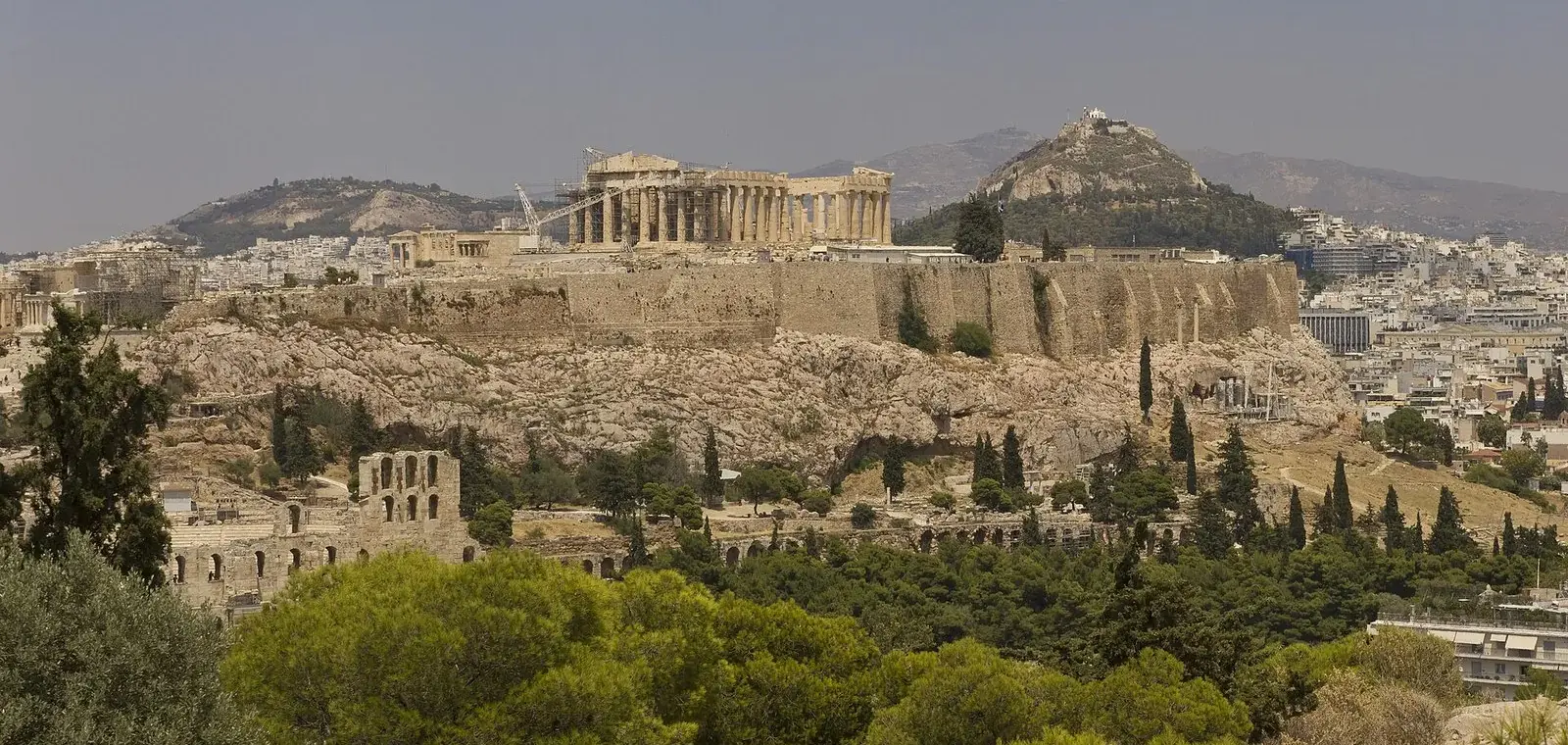
Choose Philopappos over Lycabettus on a short stay. Philopappos faces the Acropolis across a short walk and costs nothing. Lycabettus (Lykavittos) is higher and sees the whole city, but its summit is 1.85 km from the Parthenon, and the climb or the funicular takes a slice of the day. Verdict: Lycabettus is a day-three luxury.
Skip Piraeus as a sightseeing stop. Unless you are catching a boat, a short trip has better uses for the time.
Skip the open-top bus on a stay of three days or fewer. The ancient centre is compact: the Acropolis, the Agora, Plaka and Syntagma are all within walking distance of one another, and the metro covers the rest at €1.20 a ride. Verdict: walk, and spend the saving on a museum.
Keep the Acropolis Museum, even on one day. It explains the hill you have just climbed, and it stays open until 22:00 on Fridays, which makes it the easiest big sight to fit around everything else.
Keep the National Archaeological Museum on any stay of three days or more. It is the one we’d refuse to cut, and in winter it closes at 15:30, so give it a morning.
Keep Cape Sounion if you have four days. Half a day, one temple, one sunset: in time terms it is the cheapest trip out of Athens.
Once your number is settled, browse all our Athens itineraries and pick the one that matches it.
How Many Days in Athens FAQ
How many days in Athens is enough?
Three full days is enough for most first-time visitors: the Acropolis and its museum, the Ancient Agora, the National Archaeological Museum and time for the neighbourhoods, with half a day spare for heat or strikes. Two days covers the ancient core if you are heading to the islands. Five makes sense only when two of them are day trips.
Is 2 days in Athens enough?
For the essentials, yes. Two full days fits the Acropolis, the Acropolis Museum, the Ancient Agora and either the National Archaeological Museum or an evening in Psirri, which is what most island-bound travellers want. It leaves no slack for a heatwave closure and no time for Delphi, Cape Sounion or an island day trip.
Is 5 days in Athens too long?
Not if two of the days are spent outside the city, at Delphi, in the Argolid, at Cape Sounion or on a Saronic island. Five days in central Athens alone is generous rather than wasted, but in July and August, when the middle of each day is too hot for ruins, we’d trade one city day for the coast.
How many days in Athens and Santorini?
In a week, give Athens two or three days and Santorini four. Count the crossing as a travel day: Blue Star’s fastest Piraeus-Santorini sailing is just over six hours, and slower ones with island calls take eight or more. Aegean and SKY express fly the route nonstop. Our Athens and islands week shows one way to split it.
How many days in Athens, Santorini and Mykonos?
Ten days is the comfortable minimum: three in Athens, three on Mykonos and four on Santorini, with Athens at the end so a wind-cancelled ferry can’t make you miss your flight home. In seven days all three is possible but rushed, with a travel leg every other day. From Rafina, high-speed ferries reach Mykonos in about two and a half hours.
How many days in Athens with kids?
Three or four days, covering a first-timer’s sights at a slower pace. Book the Acropolis for the 08:00 slot, keep summer afternoons for rest, and let the Acropolis Museum, the Changing of the Guard and a green hill like Philopappos do the work. At the Acropolis Museum, free and reduced tickets are issued only at the ticket desk, so bring passports.
Can you see Athens in one day from a cruise ship?
You can see the Acropolis and the Acropolis Museum and walk through Plaka if the ship gives you seven or eight hours ashore. Metro Line 3 runs from Piraeus to Syntagma in about 20 minutes. Book an early Acropolis slot, keep an eye on the heat in summer, and leave a generous margin for the return, because the ship won’t wait.
Related Athens Guides
- Athens Itineraries: every trip length, from a cruise day to a week with the islands.
- One Day in Athens: the sprint version, in the right order.
- 3-Day Athens Itinerary for First-Timers: our pick for a first visit.
- 5-Day Athens Itinerary with Day Trips: for when you want to leave the city for a day or two.
- 7-Day Athens and Greek Islands Itinerary: the city and the islands in one week.
Sources and How We Checked
Checked on 26 September 2026 against the official sources below. This page is compiled from them rather than from other travel lists, and no first-hand visit is claimed.
- Hellenic Ministry of Culture: visitor pages for the Acropolis, the Ancient Agora, the Kerameikos, the Olympieion and Delphi, and its ticket site, Hellenic Heritage Tickets
- Acropolis Museum: Plan your visit
- National Archaeological Museum: visitor information
- OASA: ticket prices and Airport Express bus lines
- Ferry and airline operators: Blue Star Ferries’ Santorini page and itinerary notices, Golden Star Ferries and SKY express’s Athens-Santorini route page
- City of Athens visitor guide: Tomb of the Unknown Soldier
- NOAA Global Monitoring Laboratory: solar calculator, used for the sunset times
Athens Tourism Guide is an independent publication. We are not affiliated with the Hellenic Ministry of Culture, OASA, the Greek National Tourism Organisation or any business named here, and no business paid to be included.
Photo Credits
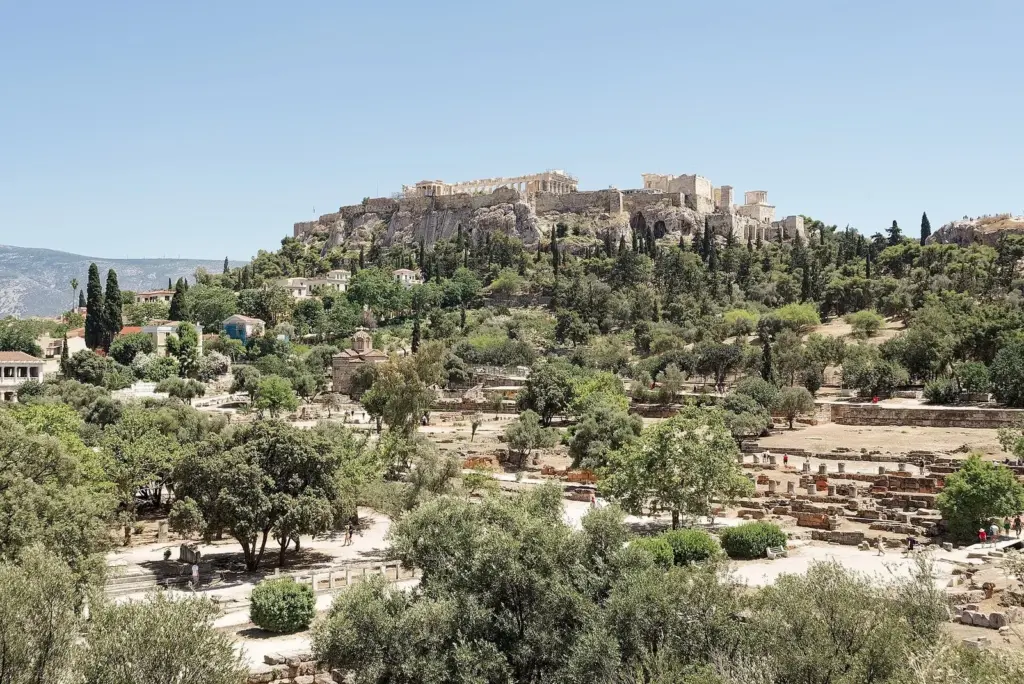
- The Acropolis above the Ancient Agora: photo by Jakub Hałun, via Wikimedia Commons (CC BY 4.0)
- Stepped lane in Plaka: photo by Laurens R. Krol, via Wikimedia Commons (CC BY 4.0)
- Philopappos Hill from the Acropolis: photo by Jebulon, via Wikimedia Commons (CC0)
- Stone arch in the Kerameikos: photo by Jebulon, via Wikimedia Commons (CC0)
- Temple of Apollo at Delphi: photo by Berthold Werner, via Wikimedia Commons (CC BY-SA 3.0)
- Ferries at Piraeus: photo by Palickap, via Wikimedia Commons (CC BY-SA 4.0)
- Temple of Poseidon at Cape Sounion: photo by Berthold Werner, via Wikimedia Commons (CC BY-SA 3.0)
- The Acropolis from Philopappos Hill (featured image): photo by A.Savin, via Wikimedia Commons (CC BY-SA 3.0)