This article contains advertising. Some of the hotel, tour, activity, flight and transfer links in it are paid links: if you book through one, we get a commission from the booking company, and your price is the same either way. It never affects what we recommend. Affiliate disclosure
Short answer: the official Athens combined ticket no longer exists. The €30 pass that opened the Acropolis and six other ancient sites for five days ended with the price changes of 1 April 2025, and each of those sites now sells its own ticket, from €5 at Aristotle’s Lyceum to €30 at the Acropolis. Bought one by one, all seven cost €105, three and a half times what the pass did. Few first-time visitors need all seven, though, and the smart replacement is a short list of single tickets, ideally timed around a free day.
This page is for anyone who met the old pass in a guidebook, a forum thread or a reseller’s “combo” page and wants to know what to buy in its place. The caveat that matters: old prices linger online for years, so distrust any figure you can’t date, especially on pages that still sell a pass. Details checked 26 September 2026 against the Hellenic Ministry of Culture and Sports’ site pages, its Hellenic Heritage ticket platform, the Acropolis Museum and the National Archaeological Museum. For what to see beyond these seven, start with our Athens historical sites and museums guide.
| Quick answer | In 2026 |
|---|---|
| Official combined ticket | Gone: the Ministry no longer lists the €30 five-day pass |
| What replaced it | A single ticket per site, €5 to €30; reduced tickets are half price |
| All seven old pass sites, bought separately | €105 full, €52.50 reduced |
| The sensible core | Acropolis and Ancient Agora: €50 for the pair |
| Time needed | One long day for the core, two days for five or more sites |
| Getting there | Metro to Akropoli (Line 2), Thiseio (Line 1) or Monastiraki (Lines 1 and 3) covers six of the seven |
| Book ahead? | The Acropolis, yes: timed entry for everyone. The other six sell tickets at the gate |
| Cheapest days | The free days; the next is Wednesday 28 October 2026 |
What’s changed in 2026?
If your information predates spring 2025, most of it has moved. These are the changes that decide what you buy:
- The five-day pass has gone. The Ministry’s Acropolis page listed a €30 “Special ticket package” until early 2025. By June 2025 it showed only the Acropolis ticket, and in 2026 the pages for the other six sites list single tickets too.
- The Acropolis costs €30 all year. It was €20, with a cheaper winter rate, until the 1 April 2025 change. Today the reduced ticket is €15 and there is no winter discount.
- Free Sundays in winter still apply at the Acropolis. Its free days are 6 March, 18 April, 18 May, the last weekend of September, 28 October and the first and third Sundays of each month from 1 November to 31 March, and the other six sites list the same days.
- The ticket site has a new address. The Ministry’s pages send buyers to tickets.hh.gr. Older guides say hhticket.gr, the earlier address of the same Hellenic Heritage service.
- The Kerameikos is open again. Closed for works from 5 May 2025, it reopened on 15 September 2026 with a longer visitor route, according to reports of the inauguration.
- Works still shape two visits. The Ancient Agora is entered only from Thiseio Square while its Adrianou Street gate is rebuilt, and the area around Hadrian’s Arch, beside the Olympieion, has been closed since 1 April 2026.
Is there still an Athens combined ticket?
Not an official one. For years the pass was the best deal in the city: €30 bought five days in which to see the Acropolis and its slopes, the Ancient Agora, the Roman Agora, Hadrian’s Library, the Olympieion (the Temple of Olympian Zeus), the Kerameikos and the Lyceum of Aristotle. It had no reduced version after 1 July 2019, so anyone entitled to a reduced or free ticket was usually better off without it even then.
Then the arithmetic broke. On 1 April 2025 the Acropolis ticket alone rose from €20 to €30, the price of the whole pass, and the package disappeared from the Ministry’s Acropolis page between its February and June 2025 versions. We found no official statement explaining the decision. The numbers explain it well enough: a seven-site pass priced like one site was never going to survive a 50% rise at the site that sold it.
So why do so many pages still sell one? Partly inertia, because old guides rarely get rewritten. Partly branding: resellers call their own bundles “combo tickets” or an “Acropolis pass”, and what you get is the same single tickets packaged with an audio guide or a guided walk, priced to include their margin. And partly the Ministry’s older booking engine at hhticket.gr, which kept a “5 Day Unified Ticket” line in its page template after the change. An archived copy from October 2025 still shows it, with no price attached. In September 2026, the Ministry’s pages for all seven sites listed single tickets only.
Verdict: treat anything sold as an Athens combined ticket as a private product unless it appears on the Ministry’s own platform, and do the sum below before you pay for it.
What does each site cost now?
These are the Ministry’s 2026 prices for the seven sites the pass used to cover, with the hours that apply from 16 to 31 October. Reduced tickets are exactly half price throughout.
| Site | Full | Reduced | What the ticket covers | Hours, 16-31 October |
|---|---|---|---|---|
| Acropolis and Slopes | €30 | €15 | Hilltop and slopes, one timed entry | 08:00-18:00, last entry 17:40 |
| Ancient Agora | €20 | €10 | Site and the museum in the Stoa of Attalos | 08:00-18:00, last entry 17:40 |
| Olympieion | €20 | €10 | The temple precinct | 08:00-18:00, last entry 17:40 |
| Kerameikos | €10 | €5 | Site and the Kerameikos museum | 08:00-18:00, last entry 17:30 (set before the reopening) |
| Roman Agora | €10 | €5 | The Roman Agora and the Tower of the Winds | Shorter autumn hours; 08:00-15:00 from November |
| Hadrian’s Library | €10 | €5 | The library site | 08:00-18:00, last entry 17:40 |
| Lyceum of Aristotle | €5 | €2.50 | The Lykeion excavation | 08:00-18:00, last entry 17:40 |
| All seven | €105 | €52.50 | The old pass: €30 for the lot | Allow two full days |
Two things stand out. The Acropolis and the Ancient Agora take €50 of the €105, and they are also the two you’d least want to miss. And the €10 tier is where the old pass used to earn its keep: the Kerameikos, the Roman Agora and Hadrian’s Library now cost €30 together, the price of the entire pass, for perhaps three hours of sightseeing.
Every site steps its hours down through the autumn, then switches to winter times on 1 November: 08:00-17:00 at both the Acropolis and the Ancient Agora and 08:00-15:00 at the smaller Ministry sites, with last entry 20 minutes before closing at the Acropolis and the Agora. In winter, a mid-afternoon start leaves you racing the guards to the exit.
What should you buy instead?
Start from how much time you have, not from the list of sites. These four plans cover almost every first visit:
| Plan | Tickets | Full | Reduced | Time |
|---|---|---|---|---|
| The essentials | Acropolis, Ancient Agora | €50 | €25 | One long day |
| The classical core | Essentials, Kerameikos, Roman Agora | €70 | €35 | Two relaxed days |
| The museum pairing | Essentials, Acropolis Museum | €70 | €35 | One very full day |
| The completist | All seven former pass sites | €105 | €52.50 | Two full days |
For most people the classical core is the sweet spot. It keeps the two big tickets, adds the two €10 sites with the most to show for the money, and drops the Olympieion, Hadrian’s Library and the Lyceum: two you can largely see through the railings, plus one that only readers of Aristotle will miss. If you have a single day and a museum habit, take the museum pairing instead.
The old pass never covered the big museums, which is worth knowing when a reseller bundles one in and calls the lot a saving. The Acropolis Museum charges €20 (€10 reduced) and sells its own tickets, and the National Archaeological Museum is €20 too. Either one holds more per euro than any of the small sites.
Plan it: buy the Acropolis online for the first slot of your first full day, buy the Ancient Agora at the Thiseio Square gate the next morning, and decide on the €10 sites as you go. Nothing about the smaller sites rewards booking weeks ahead.
Which of the seven old pass sites are worth a ticket?
Ranked for a first-time visitor on an ordinary budget: what each ticket buys, how long it takes and when to keep your money. The history of each site sits in its own guide; this is about euros and hours.
1. The Acropolis and its slopes
€30, two to three hours, book ahead. Non-negotiable on a first visit, and the one ticket to buy online as soon as your dates are fixed, because entry is by timed slot for every visitor, free and reduced tickets included. The ticket covers the hilltop and the slopes below it, including the Theatre of Dionysus on the South Slope, but it lets you in once: leave either part and it won’t get you back in. So follow the signs down to the South Slope before you walk out. From 16 to 31 October the site opens 08:00-18:00 (last entry 17:30), and from 1 November 08:00-17:00.
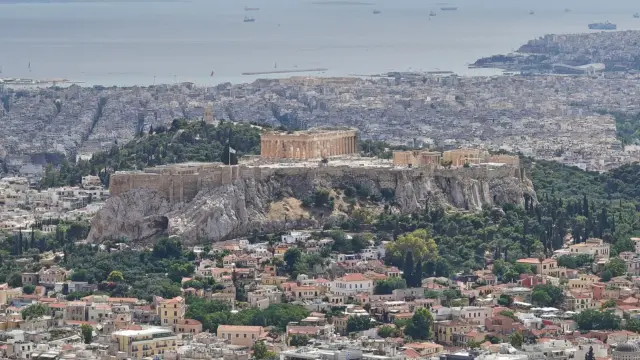
Slots and hours shift with the seasons, and our guide to Acropolis opening hours and the best time to visit tracks them. For what you’ll actually see up there, read the complete Acropolis guide.
2. The Ancient Agora
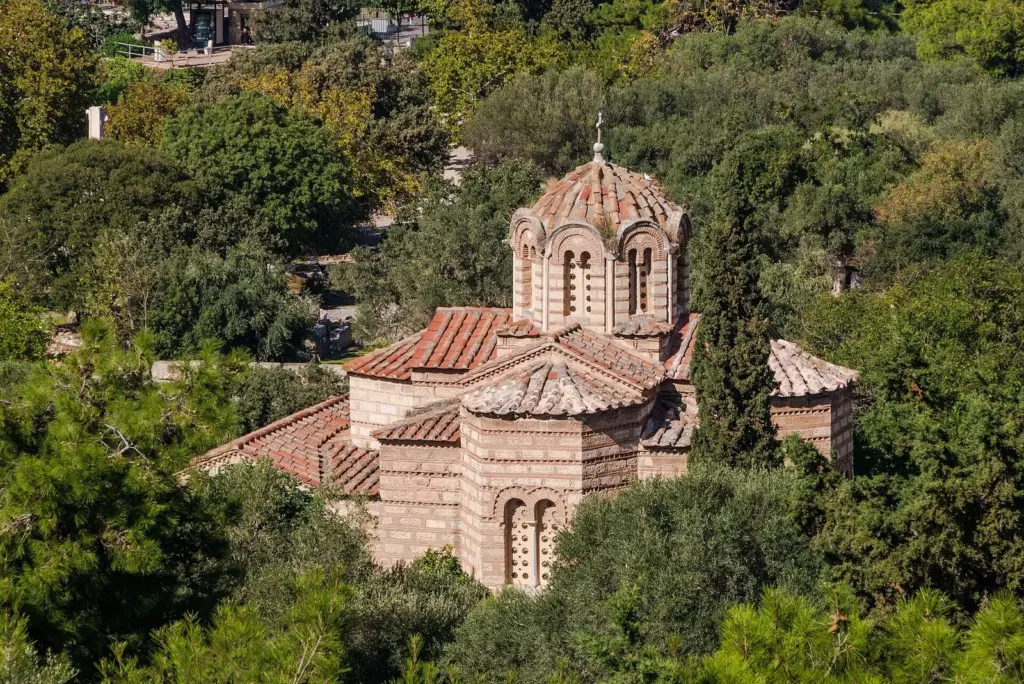
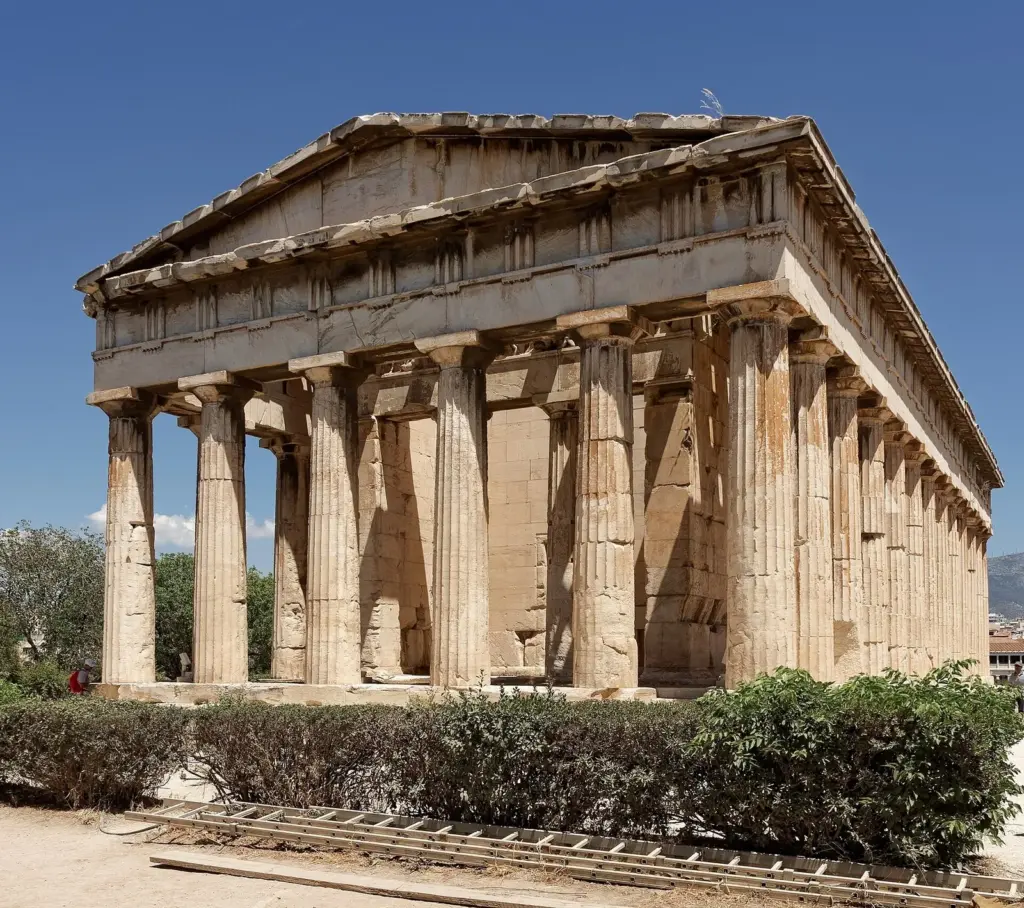
€20, about two hours, buy at the gate. The best value in Athens after the Acropolis. One ticket covers the whole marketplace of the ancient city, the Temple of Hephaestus, one of the best-preserved Greek temples anywhere, and the museum inside the rebuilt Stoa of Attalos. There are two current catches. While the main entrance on Adrianou Street is rebuilt, you go in and out only through the gate on Thiseio Square, as you have since 1 July 2025. And since 1 November 2025 the Stoa’s upper-floor exhibition and the Byzantine Church of the Holy Apostles have been closed, so the ticket buys a little less than it did.
Plan it: 08:00-18:00 from 16 October (last entry 17:40); €20, reduced €10; a short walk from Thiseio (Line 1); allow two hours; best the morning after the Acropolis, when the view back up to the Parthenon means something. Our Ancient Agora guide has the route through it.
3. The Kerameikos
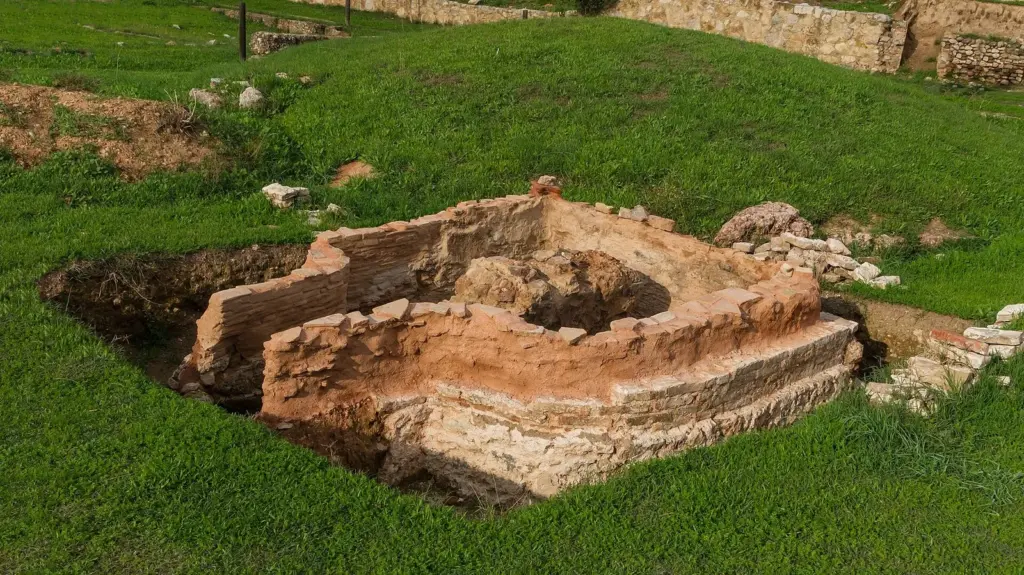
€10 with its museum, 60-90 minutes. The ancient city’s cemetery, outside the Dipylon Gate, spent 16 months shut for accessibility works from 5 May 2025 and reopened on 15 September 2026. Reports of the reopening describe a visitor route about 4,500 square metres larger, including a 2,700-square-metre area never open before, and a new entrance on Agion Asomaton Street, opposite Dipylou Street, with a café, a shop and toilets. That makes it the best €10 in Athens right now: the Street of Tombs, the remains of the city’s two main gates, a site museum and a fraction of the Acropolis crowds. Guides written during the closure may still call it shut.
Plan it: the Ministry’s page gives 08:00-18:00 for late October (last entry 17:30), but those hours predate the reopening, so check before you go; €10, reduced €5; Thiseio (Line 1) or Kerameikos (Line 3), each under ten minutes on foot; allow 90 minutes; best for readers of Greek history and anyone who wants ruins without a queue. Our Kerameikos cemetery guide walks the site.
4. The Roman Agora and the Tower of the Winds
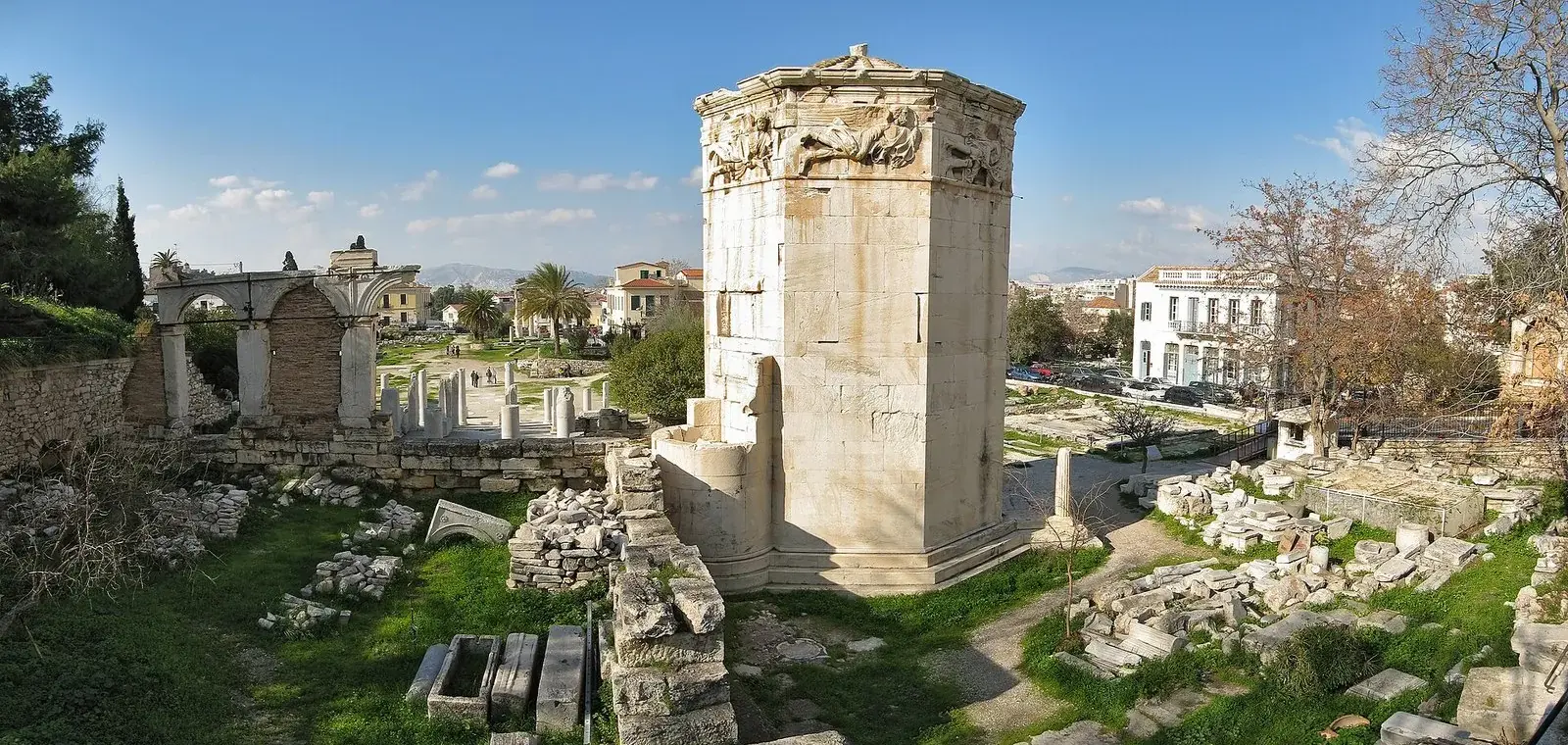
€10, 30-45 minutes. The draw is the Tower of the Winds, an octagonal marble water clock and weather vane with the eight winds carved around its top. It stands at the east end of the site, close to the railings, which means you can study it for free from the lane outside. Pay to see it up close and to walk the courtyard between the tower and the Gate of Athena Archegetis, the market’s west entrance.
Plan it: hours step down from 1 September and settle at 08:00-15:00 from November (last entry 14:40); €10, reduced €5; Monastiraki (Lines 1 and 3), about five minutes on foot; allow 40 minutes; pair it with Hadrian’s Library, a two-minute walk away, and choose one if time is short. More in our Roman Agora and Tower of the Winds guide.
5. The Temple of Olympian Zeus (Olympieion)
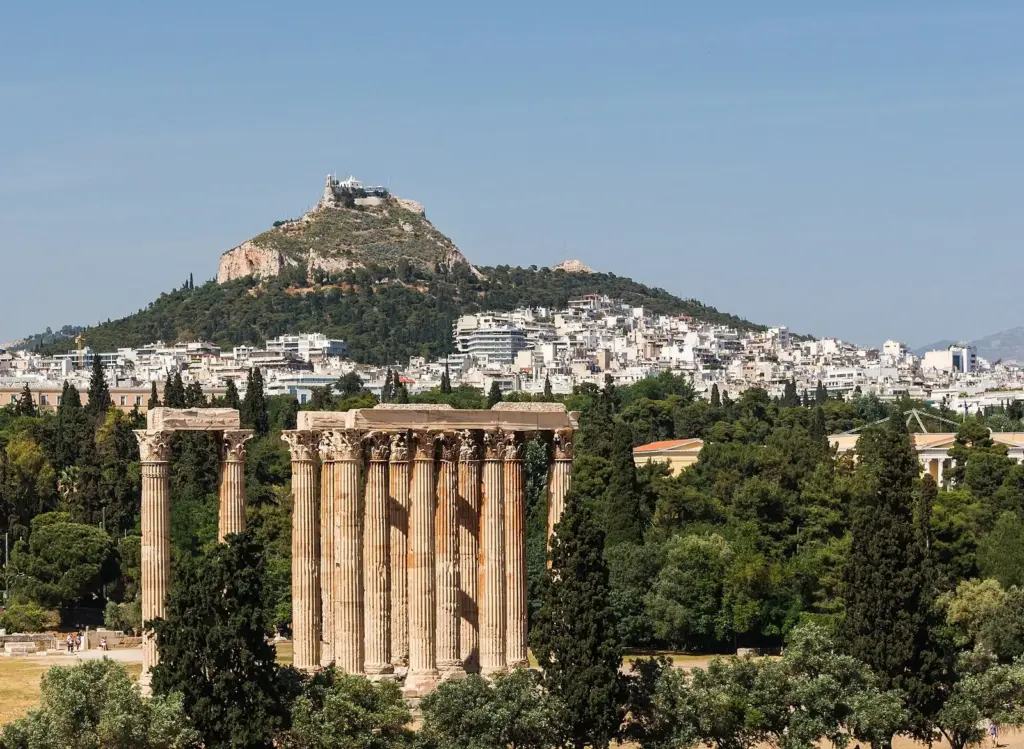
€20, 30-45 minutes. The priciest of the small sites and the easiest to overpay for. Fifteen of its huge Corinthian columns still stand, and they are big enough to take in from the Acropolis or the streets around the site, so €20 mostly buys the chance to stand underneath them. The surroundings are messy in 2026. Since 1 April 2026 the area around Hadrian’s Arch has been closed for the Vasilissis Olgas Avenue redevelopment, and although the Ministry says the works outside the entrance don’t block access, the Parilissia sanctuaries on the Ilissos side can’t be visited at present.
Verdict: worth it if Roman scale is your thing or you hold a reduced ticket at €10. Otherwise enjoy the view from the Acropolis, walk on to the Panathenaic Stadium, and put the €20 towards the Acropolis Museum.
Plan it: 08:00-18:00 from 16 October (last entry 17:40), then 08:00-15:00 from November; Akropoli (Line 2) about ten minutes on foot, Syntagma (Lines 2 and 3) a little further; allow 40 minutes. Our Temple of Olympian Zeus guide covers the site in full.
6. Hadrian’s Library
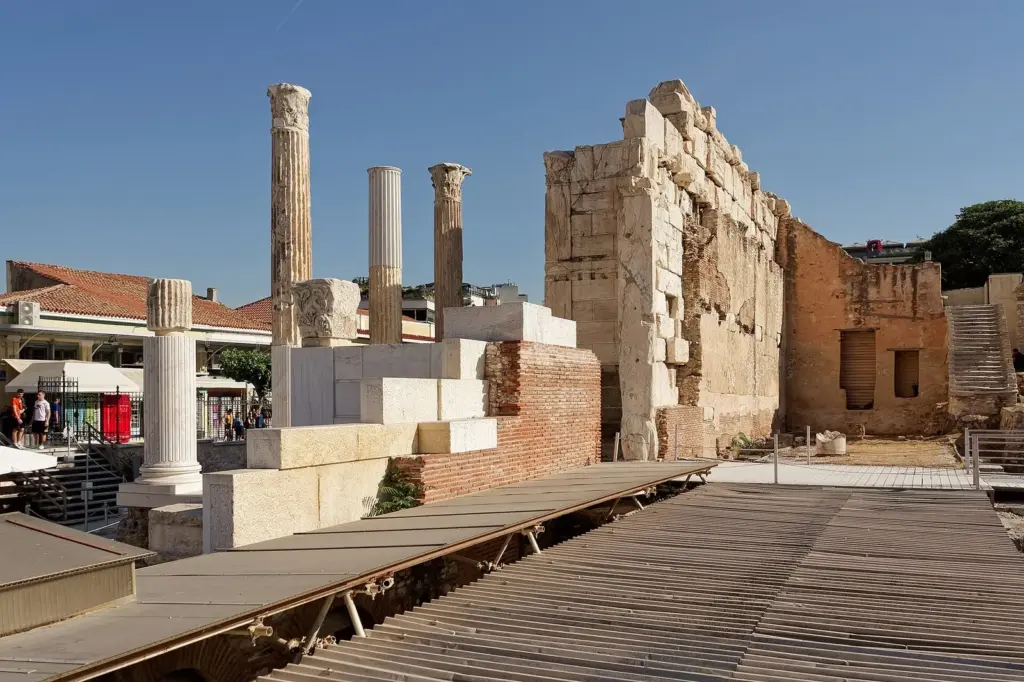
€10, 20-30 minutes. It sits right beside Monastiraki Square, and its best feature, the tall west wall with its row of Corinthian columns, faces Areos Street, where you can see it for nothing. Inside, you walk the outline of a vast courtyard built in the 2nd century AD, with the remains of later churches laid over it. It’s pleasant, it’s quick and it’s the easiest site on the list to drop.
Verdict: pay the €10 only if you’re a completist or the Roman Agora has left you wanting more of the same period. Monastiraki (Lines 1 and 3) is a minute away, and late-October hours are 08:00-18:00 (last entry 17:40).
7. The Lyceum of Aristotle (Lykeion)
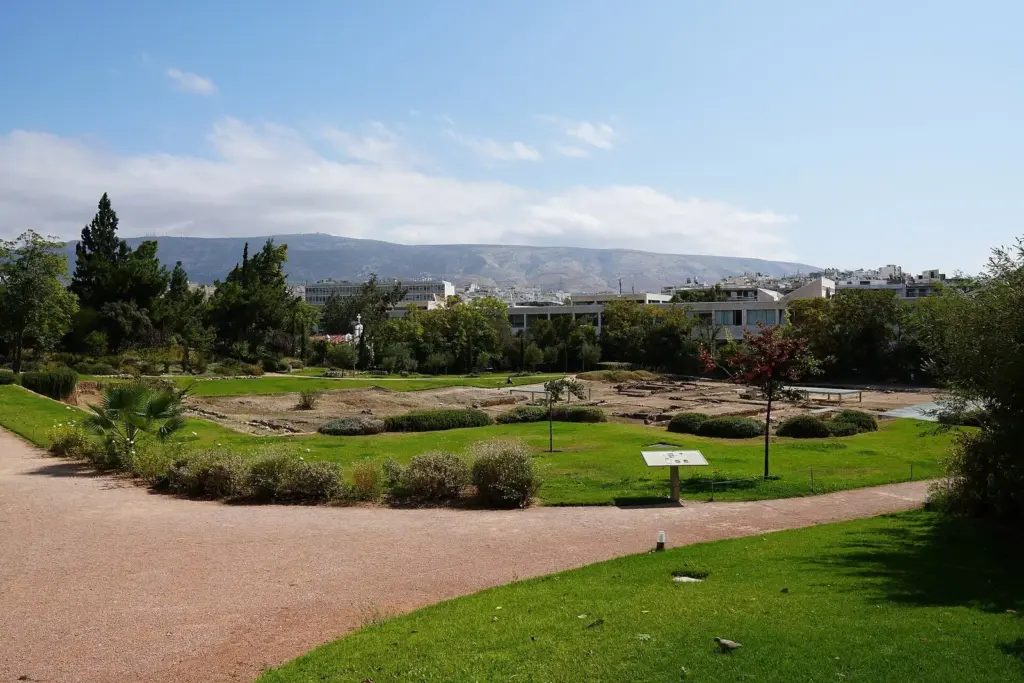
€5, 20-30 minutes. This is where Aristotle taught, and that is the whole case for coming. What survives are the low foundations of the gymnasium’s wrestling ground, laid out in a quiet garden a few minutes from the Byzantine and Christian Museum. It’s the cheapest ticket of the seven and the hardest sell: come for the idea rather than the stones.
Plan it: 08:00-18:00 in late October (last entry 17:40), 08:00-15:00 from November; €5, reduced €2.50; Evangelismos (Line 3), under ten minutes on foot; allow 30 minutes; best paired with the Byzantine and Christian Museum on the same walk.
Free days and free entry: the real saving
The pass is gone, but the Ministry still opens all seven sites free on 6 March, 18 April, 18 May, the last weekend of September and 28 October, and on the first and third Sundays of each month from 1 November to 31 March. On those days the €105 sum drops to nothing. The next is Wednesday 28 October 2026, Ochi Day, a national holiday; after that come the winter Sundays and, in 2027, 6 March and 18 April. Expect the Acropolis at its fullest on a free day and build the smaller sites around it, since they absorb a crowd far better.
On 28 October the Acropolis Museum is free as well, which makes it the cheapest day of the autumn to see the rock and the museum together, and the busiest. The museum’s other free days are 6 March, 25 March and 18 May. From November to March the National Archaeological Museum adds free first and third Sundays, starting with 1 and 15 November 2026.
Who gets in free on ordinary days depends on one national list of free and reduced categories, which the Ministry’s site pages link to. EU citizens under 25 are on it: both the National Archaeological Museum and the Acropolis Museum list them among their free categories. Carry a passport or national ID card, because the ticket office checks. A free ticket still needs a timed Acropolis slot: the booking page addresses free and reduced visitors directly and says timed tickets are required for everyone.
How do you buy single tickets now?
There are two ways, both official. Online, the Ministry’s site pages now point to tickets.hh.gr, the Hellenic Heritage Tickets platform run by the Hellenic Organization of Cultural Resources Development (ODAP), which handles ticketing for the state’s sites; older guides and links give hhticket.gr, the same service’s earlier address. On the day, each of the seven sites sells tickets at its own office.
The rule we’d follow: buy the Acropolis online and early, for a named slot, and buy everything else at the gate on the day, which keeps your plans loose if a morning runs long. Pre-booking the smaller sites mainly makes sense in the heaviest summer weeks, or if you’d rather sort everything before you fly.
What not to buy is simpler. There is no official skip-the-line ticket for the Acropolis: timed tickets from the Ministry are the way in, and “skip-the-line” products are resold tickets wrapped in a tour. A reseller’s combo can still be worth it if you want the guide it includes, but price it against the tables above. A bundle of the Acropolis, the Ancient Agora and an audio guide that costs far more than €50 is charging you for the audio guide, not saving you anything.
A two-day plan without the pass
This route uses single tickets for the classical core plus the Acropolis Museum, €90 at full price, and keeps every walk short.
- Day 1, first slot: the Acropolis: go up through the main entrance, then follow the signs down to the South Slope before leaving, since the ticket won’t let you back in (€30).
- Day 1, late morning: the Acropolis Museum: at the foot of the South Slope, with its own €20 ticket and a café for the break you’ll want by then.
- Day 1, afternoon: the Olympieion from outside: a free look at the columns on the walk towards Syntagma, unless you’ve decided the €20 is worth it.
- Day 2, 08:00: the Ancient Agora: enter at Thiseio Square, allow two hours, and climb to the Temple of Hephaestus first while it’s quiet (€20).
- Day 2, late morning: the Kerameikos: walk west along Ermou Street to the cemetery and its museum (€10).
- Day 2, afternoon: the Roman Agora: head back east through Monastiraki for the Tower of the Winds (€10), with Hadrian’s Library next door if you’re still keen.
The only real trap is the clock. In late October the Ancient Agora stops admitting visitors at 17:00, and from 1 November the small sites close at 15:00, so a day that starts after lunch will lose at least one site. Swap the days round if your Acropolis slot falls on the second morning; nothing else in the plan depends on the order.
What to skip, and when not to go
Honest negatives save more money than the pass ever did.
- Skip paying for the Olympieion and Hadrian’s Library if time or money is tight. You’ll see the best of both from outside, and together they cost €30.
- Skip the Lyceum unless Aristotle is the reason you came. Five euros is cheap; half an hour out of a busy two-day trip isn’t.
- Don’t pay for a “pass” without doing the sum. If a bundle costs more than its tickets at face value plus the extras you’d genuinely use, walk away.
- Don’t aim for midday in summer. In heatwaves the Ministry has shut the Acropolis through the hottest hours (on 8 July 2025 it stayed closed until 17:00), and the rock offers almost no shade.
- Don’t plan a site day on the wrong date. Ministry sites close on Easter Sunday and 1 May, the smaller ones also on 1 January and 25-26 December, and several on 25 March.
- Don’t arrive in the last hour. Last entry comes 20 minutes before closing at the Acropolis and the Agora, and an hour is too little for any of the big three.
Verdict: the replacement for the Athens combined ticket isn’t another bundle. It’s three or four single tickets chosen well, one free day if your dates allow, and a clear conscience about the sites you walk past. For the museums and monuments the pass never covered, from the Benaki to the Panathenaic Stadium, our overview of Athens’s ancient sites and museums ranks what’s worth your time.
Athens Combined Ticket FAQ
Is there a combined ticket for the Acropolis and other Athens sites in 2026?
No official one. The Ministry of Culture’s €30 five-day pass for the Acropolis and six other sites ended with the price changes of 1 April 2025, and every site now sells its own ticket. The “combo tickets” and “passes” you’ll find online are private bundles of those same single tickets, usually with a tour, an audio guide or a booking fee added.
How much was the old Athens combined ticket?
It cost €30 at full price and lasted five days, covering seven sites: the Acropolis and its slopes, the Ancient Agora, the Roman Agora, Hadrian’s Library, the Olympieion, the Kerameikos and the Lyceum of Aristotle. There was no reduced version after 1 July 2019. Any page presenting it as something you can still buy is out of date.
How much does it cost to visit all seven sites now?
€105 at full price: €30 for the Acropolis, €20 each for the Ancient Agora and the Olympieion, €10 each for the Kerameikos, the Roman Agora and Hadrian’s Library, and €5 for the Lyceum. Reduced tickets halve that to €52.50. Most first-time visitors do better with the Acropolis, the Ancient Agora and one or two of the €10 sites.
Are the Acropolis combo tickets sold online official?
Only if you buy them on the Ministry’s own platform, tickets.hh.gr, which older links call hhticket.gr. Other combo tickets and skip-the-line passes come from private companies that resell timed tickets with a tour, an audio guide or a fee on top. Some are useful if you want the guiding, but there is no official skip-the-line ticket for the Acropolis.
Does the Acropolis ticket include the Acropolis Museum or the Ancient Agora?
No. The €30 ticket covers the Acropolis and its slopes, including the South Slope, for a single entry. The Acropolis Museum is run separately and charges €20 (€10 reduced), and the Ancient Agora needs its own €20 ticket, which does include the museum in the Stoa of Attalos. Budget €70 for all three at full price.
Can I buy tickets at the sites, or do I have to book online?
Both work. Every site has a ticket office, and the Ministry sells the same tickets online. Book the Acropolis ahead, because every visitor needs a timed slot. For the Ancient Agora, the Kerameikos, the Roman Agora, Hadrian’s Library, the Olympieion and the Lyceum, buying at the gate on the day is usually the simplest choice.
When are the Athens archaeological sites free?
The Ministry’s sites, the Acropolis included, are free on 6 March, 18 April, 18 May, the last weekend of September and 28 October, and also on the first and third Sundays of each month from 1 November to 31 March. EU citizens under 25 appear on the free lists of the National Archaeological Museum and the Acropolis Museum, so bring a passport or ID card and ask at the ticket office.
Related Athens Guides
- Acropolis of Athens: The Complete Guide: the Parthenon, the Propylaea and the slopes, stop by stop
- Acropolis Opening Hours and the Best Time to Visit: seasonal hours and how to pick your slot
- Ancient Agora of Athens: the Temple of Hephaestus, the Stoa of Attalos and the Thiseio gate
- Kerameikos Cemetery and Museum: the ancient burial ground by the Dipylon Gate
- Roman Agora and the Tower of the Winds: the Roman market beside Monastiraki
- Temple of Olympian Zeus: the Olympieion and Hadrian’s Arch
Sources and How We Checked
We checked every price, hour and rule here on 26 September 2026 against the official sources below.
- Hellenic Ministry of Culture and Sports, site pages: the Acropolis of Athens, the Ancient Agora and the Olympieion
- Hellenic Ministry of Culture and Sports, site pages: the Roman Agora (Greek), Hadrian’s Library, the Kerameikos and the Lykeion
- The Ministry’s Acropolis page as archived by the Internet Archive in February 2025, with the €30 package, and in June 2025, without it
- Hellenic Heritage Tickets (ODAP): tickets.hh.gr and the older hhticket.gr booking engine
- Acropolis Museum: plan your visit
- National Archaeological Museum: visiting information
Athens Tourism Guide is an independent publication. We are not affiliated with the Hellenic Ministry of Culture, OASA, the Greek National Tourism Organisation or any business named here, and no business paid to be included.
Photo Credits
- Church of the Holy Apostles, Ancient Agora: photo by Jebulon, via Wikimedia Commons (CC0)
- Hadrian's Library: photo by Jakub Hałun, via Wikimedia Commons (CC BY 4.0)
- Temple of Hephaestus, Ancient Agora: photo by Jakub Hałun, via Wikimedia Commons (CC BY 4.0)
- Temple of Olympian Zeus with Lycabettus: photo by Jebulon, via Wikimedia Commons (CC0)
- Grave enclosure in the Kerameikos: photo by Jebulon, via Wikimedia Commons (CC0)
- Remains of the Lyceum of Aristotle: photo by George E. Koronaios, via Wikimedia Commons (CC0)
- Roman Agora and the Tower of the Winds (featured image): photo by Andreas Trepte, via Wikimedia Commons (CC BY-SA 2.5)