This article contains advertising. Some of the hotel, tour, activity, flight and transfer links in it are paid links: if you book through one, we get a commission from the booking company, and your price is the same either way. It never affects what we recommend. Affiliate disclosure
Athens is one of the easier European capitals to see on your own: the centre is compact, the metro is simple to use, and most of the big sights sit close enough to walk between. The real work of solo travel in Athens is not safety or logistics but the small stuff: choosing a base that keeps you near life after dark, eating well in a food culture built around shared plates, and not paying for two when there is only one of you.
This page is for first-timers travelling alone, whether that means four nights between flights or the start of a longer Greek trip. The one caveat that matters: Greek tables, taxis and hotel rooms are priced for company, so a solo traveller has to be a little more deliberate about money than a couple. Details checked 9 November 2026 against the Hellenic Police, Hellenic Heritage (hh.gr), the Acropolis Museum, OASA, the Greek Ministry of Finance and the hostels’ and tour operators’ own sites. For the wider picture of dates, budgets and paperwork, start with our guide to planning your Athens trip.
| Question | Short answer for one person |
|---|---|
| Best base | Makrygianni or Koukaki for quiet and the Acropolis on foot; Psyrri or Monastiraki for evenings and hostels |
| Airport to centre | Metro €9 or Airport Express bus €5.50; a taxi is a €50 flat fare (€65 on the higher tariff) with nobody to split it |
| Getting around | Walk, plus a €1.20 90-minute ticket or a €4.10 24-hour ticket; the €20 three-day tourist ticket includes the airport both ways |
| Big-ticket sights | Acropolis €30, Acropolis Museum €20, National Archaeological Museum €20, Ancient Agora €20 |
| Eating alone | Easy at lunch, at souvlaki counters and in mezedopolia if you order two or three small plates |
| Meeting people | Hostel bars, small-group food tours and walking tours, Saturday street markets |
| Book ahead | A timed Acropolis slot and your bed; little else |
| Best time to go solo | Spring and autumn for weather; November to March for lower crowds and free first and third Sundays at state sites |
What’s changed in 2026?
A lot of solo-travel advice for Athens was written a few years ago, and several of its numbers have moved. These are the ones that touch a traveller on their own:
- The Acropolis costs €30 all year (reduced €15), with no winter half price. Tickets are timed, and the official online seller is the Hellenic Heritage platform at tickets.hh.gr.
- Free Sundays run through the winter. From 1 November to 31 March the Acropolis and the other state sites and museums are free on the first and third Sunday of each month. Expect queues to match.
- The Kerameikos has reopened. The ancient cemetery and its museum reopened in September 2026 after a restoration, at €10 (reduced €5).
- ATM fees are capped. Since 11 August 2025, withdrawals at third-party (non-bank) machines are capped at €1.50 under Greek rules. The “€2-4 per withdrawal” warnings in older guides are out of date, though your own bank may still add a charge.
- The airport taxi flat fare rose in September 2026 to €50, or €65 under the higher tariff.
- Riding without a valid ticket costs €100 on OASA transport, so validate every time.
- The tourist police number is 1571, not the 171 that still circulates online.
Is solo travel in Athens a good idea? The honest trade-offs
Yes, for most people, and especially on a first trip. The historic centre is small. You can walk from Syntagma to the Acropolis, on to Monastiraki and back through Plaka in an afternoon without touching public transport, and the metro lines that do matter for visitors are colour-coded and easy to read. The sights reward a solo pace, too. Nobody is waiting for you to finish with the Parthenon frieze, and an hour alone in the Acropolis Museum is better than forty minutes with someone who wants lunch.
Café culture helps. Sitting for a long time over a single coffee is normal here, not a signal that you have been stood up, and a table outside with a book is about as unremarkable as it gets. You will rarely be stuck for English in the centre’s hotels, museums and restaurants either.
Now the friction, because there is some.
Greek eating is built for sharing. The traditional way to eat is a table of small plates passed around, and a single diner either eats less variety or orders more than they can finish. It is fixable (there is a whole section on it below), but it is the thing solo visitors mention most.
Rooms are priced per room. A double for one usually costs what a double for two costs, and the Climate Crisis Resilience Fee, the per-night charge added to accommodation bills, is levied per room per night, not per guest. From April to October it runs from €2 a night at a one- or two-star hotel to €15 at a five-star, lower from November to March. A couple splits that; you don’t.
Nobody splits the taxi. The airport flat fare of €50 is reasonable for two people with cases. For one person with a backpack, the €9 metro or the €5.50 express bus makes far more sense.
Disruption lands on you alone. The UK Foreign Office notes that Greece has regular strikes, sometimes called at short notice, which can hit buses, trains, ferries and flights. Build a spare half-day into any trip with a ferry or a flight connection, and keep your phone charged.
Verdict: the trade-offs are about money and meals, not risk. Plan those two and Athens is a very easy city to be alone in.
Is Athens safe to travel alone?
Athens is generally a safe city for visitors, and the risks are the ordinary big-city ones: pickpockets in crowds and on packed trains, the odd overcharge, and late-night streets you would not choose to walk alone in any capital. We cover those properly, area by area, in our full guide to whether Athens is safe, so here is only what changes when you are on your own.
- Save the numbers. 112 is the EU-wide emergency line, free from any phone. The Hellenic Police list 100 for police emergencies and 1571 for the tourist police service, which works in Greek, English, French and German. For an ambulance, 166 or 112.
- Tell someone your plan on days with a hike, a ferry or a late night. A message with the name of your hostel and the time you expect to be back costs nothing.
- Carry less on crowded days. A zipped bag worn in front on the metro, your phone out of back pockets, and one card left at the hotel as a spare.
- Use metered taxis or an app. Licensed Athens taxis run on a meter and are required to accept cards, so you don’t need to pay a round figure in cash.
Women travelling solo generally report the same easy experience as everyone else, with the usual city caveats about late, empty streets. The safety guide goes into more detail.
Where should a solo traveller stay in Athens?
Location matters more alone than in company, because your base is also your evening. You want to step out of the door into somewhere with lit streets and people at tables, and to be able to walk home without planning a route. That rules out the airport hotels and the far suburbs, and it makes the extra cost of a central bed easy to justify.
| Area | Why it suits one person | The trade-off | Metro |
|---|---|---|---|
| Makrygianni | Right below the Acropolis and next to the Acropolis Museum; calm but central | Quieter late at night than Psyrri | Akropoli (Line 2) |
| Koukaki | Residential feel, neighbourhood cafés, an easy walk to the Acropolis | Fewer hostels; more apartments | Syngrou-Fix (Line 2) |
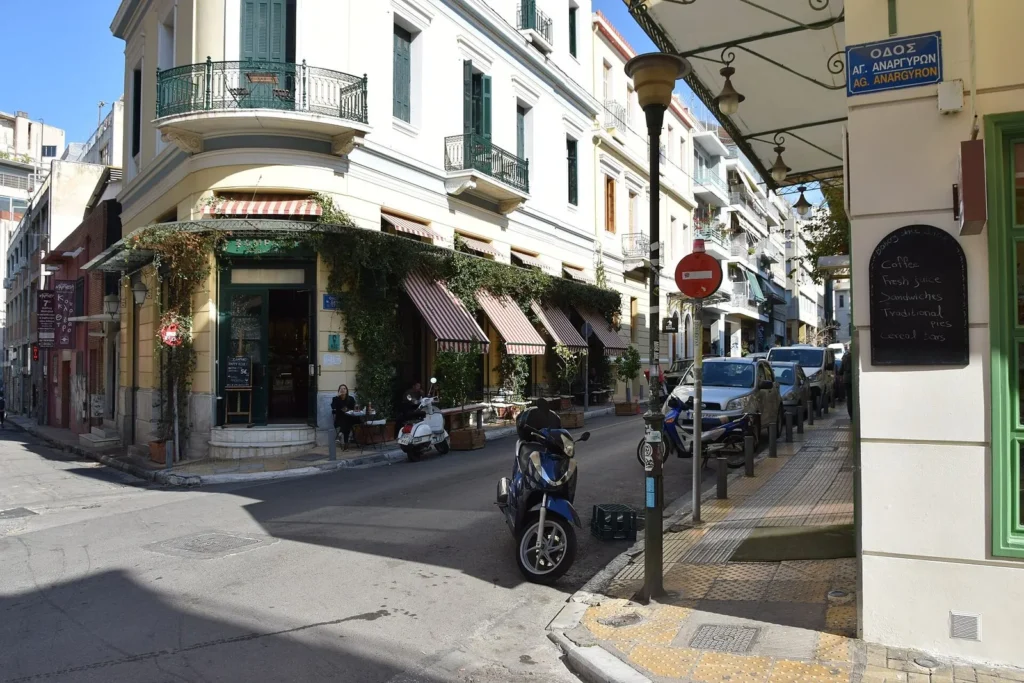
| Psyrri | Bars, tavernas and hostels; plenty of people out in the evening | Noise on weekend nights | Monastiraki (Lines 1 and 3) |
| Monastiraki and Plaka | On top of the sights, with the flea market and Plaka lanes on the doorstep | Busy by day and priced for visitors | Monastiraki (Lines 1 and 3) |
| Syntagma | The airport metro and bus arrive here; easy for short stays | More hotels than character | Syntagma (Lines 2 and 3) |
If you only have two or three nights, stay in Psyrri or Makrygianni and walk everywhere. Longer trips earn the calmer, more local pace of Koukaki. For a wider look at what each price level gets you, see our round-up of budget hotels and hostels in Athens.
Athens Backpackers, Makrygianni
For the Acropolis on foot and a ready-made social scene. Athens Backpackers is at 12 Makri Street in Makrygianni, a short walk from the Acropolis Museum and the Acropolis itself. Its own site offers capsule beds alongside private studios and apartments, which is a useful mix for a solo traveller: a cheap sleeping pod when you want company, or a studio of your own when you want a door that locks. It runs a roof bar and a sports bar and keeps a 24-hour help desk. Check the hostel’s own booking page for current rates and room types.
City Circus, Psyrri
For evenings out and a central metro. City Circus opened in Psyrri in the summer of 2012 and offers four-, six- and eight-bed dorms as well as doubles, twins and quadruple rooms. The hostel puts the metro and train 300 metres away. Psyrri is the livelier choice: good for meeting people, less good if you sleep lightly on a Saturday. Rates move with the season, so compare on its own site.
Other hostels exist in the centre, and new ones open and close. Before booking anywhere that a forum recommends, check that its own website is live and taking bookings for your dates.
Paying for one: single rooms, supplements and studios
Most Athens hotels list doubles and price them per room. A few older and smaller places still sell true single rooms, often small but noticeably cheaper; filter for “single” on the hotel’s own site before you assume you are paying the double rate. Where only doubles are offered, you are paying for the bed you are not using, so weigh that against a hostel private room or a studio.
Studios are the solo traveller’s quiet win. A small kitchen means breakfast and the occasional supper for one at home, which takes the pressure off eating out at every meal. Remember the resilience fee is added per room per night, usually on departure, and it scales with the star rating, so a four-star double for one carries a bigger nightly fee than a two-star.
Plan it: book your bed first, then your timed Acropolis slot. Look at the same room on a weekday and a weekend, and in winter against summer; the gap is often larger than you expect.
Eating alone in Athens: how to do it well
This is the part that worries solo visitors most, and it is easier than it looks. The trick is to match the meal to the format. Greek food comes in several styles, and only one of them, the big shared taverna spread, really assumes a group.
Breakfast and the coffee habit
The easiest meal of the day. Athenian breakfast is mostly eaten standing or on the move: a sesame-crusted koulouri bread ring from a street cart, a cheese pie (tiropita) or spinach pie (spanakopita) from a bakery, or a slice of custard-filled bougatsa. None of these involves a table for two. Then sit down for coffee. An iced freddo espresso or a Greek coffee, made in a small pot and served with a glass of water, buys you as long at a pavement table as you want. Nobody will hurry you, and it is the best people-watching in the city.
Lunch is the easy one: head for the Central Market
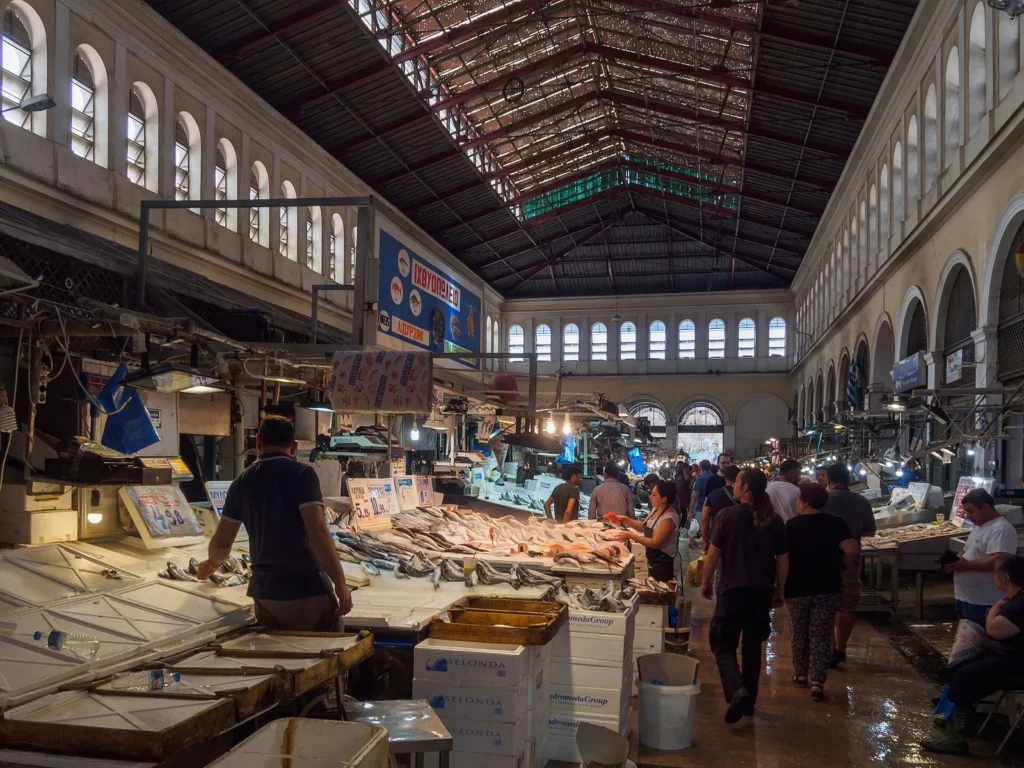
Monday to Saturday, 08:00-18:00. The Athens Central Market (Varvakios Agora) at 42 Athinas Street, between Monastiraki and Omonia, is a working food market with butchers, a fish hall, olives, cheese, herbs and spices. It closes on Sundays. Lunch is when Athenians eat their main meal, so the small tavernas around the market and down the side streets are full of people eating alone on a work break. A single plate of the day’s cooked dish, bread and a glass of wine is a normal order, not a sad one.
Nearby, Karamanlidika tou Fani at 1 Sokratous and Evripidou Street combines a charcuterie and cheese shop with a meze restaurant, a good place to try cured meats and cheeses in small amounts rather than committing to a full spread.
Street food counts as dinner
Cheap, fast and made for one. Souvlaki and gyros, wrapped in pitta with tomato, onion and tzatziki or served as a plate with chips, are designed for a single person. Most souvlaki places have a counter and a few tables, and eating alone at either draws no attention at all. Have the wrap with a beer at a table, or take it with you to a bench. On a tired evening it is the right answer, and nobody in Athens would disagree.
The taverna and meze problem, and how to fix it
Order two or three mezedes, not a main. A mezedopoleio or ouzeri serves small plates designed to go with drinks. For a group they arrive in waves and get shared. For one person, two or three plates (a dip, something grilled and a salad) make a complete, varied meal without the waste of a full main and sides. Ask for a portion, “mia merida”, and point at what other tables are eating if the menu is no help.
Drinks come in sizes that suit one, too. Ouzo and tsipouro arrive in a small carafe, and house wine is often sold by measure, so you can ask for the smallest one rather than a bottle.
The traditional taverna, with grilled meats and big trays of oven dishes, is the hardest format alone: portions are generous and the room is set up for families. Go anyway, but go at lunchtime or early in the evening, take a seat near the front where you can watch the street, and order one cooked dish and one salad. That is a dinner, not a compromise.
Timing, tables and tipping
Eat a little earlier than Athens does. Athenians tend to dine late, and on Friday and Saturday nights the best-known places fill with large groups from around 21:00. A solo diner who arrives around 19:30 gets a choice of tables, faster service and a relaxed waiter. On weekday evenings the timing matters much less.
Tipping is modest. The City of Athens visitor guide suggests 10-15% in cafés and restaurants and says rounding up, or adding a couple of euros, is fine in taxis. Cards are accepted almost everywhere in the centre, so leaving a tip on the card machine is fine.
Let a food tour do the introductions
The fastest way to eat widely on your own. A small-group food tour solves the sharing problem at a stroke: you taste a dozen things in a morning, someone explains what you are eating, and you end up with a list of places to go back to alone.
- Athens Walking Tours, Old Town food tour. Two hours, meeting in the Thissio area, €49 for an adult, with free cancellation up to 24 hours before. The operator says it has run tours daily, all year, since 2004. Note that the Central Market closes on Sundays, which changes the route.
- Culinary Backstreets. Small groups of two to seven guests, with Athens walks including Backstreet Plaka, Plaka at Twilight and a six-hour Exarchia tour called Taste of Utopia. Its own FAQ notes that many guests join alone. Prices and dates are on its booking pages.
Verdict: book a food tour on your first or second day, not your last. Its real value is the list it leaves you with.
How do you meet people in Athens without forcing it?
The best solo trips have a mix of company and quiet, and Athens makes both easy without any of the organised awkwardness of a pub crawl. These are the low-pressure options, roughly from most to least sociable.
Hostel common spaces. Even if you book a private room, staying at a hostel puts you near a bar, a roof terrace and a noticeboard. Athens Backpackers’ roof bar and the common areas at City Circus exist precisely so that people travelling alone can find a table to join. You can always go back to your room.
Walking and food tours. Small groups, a shared focus and a natural end point, which is the easiest way to talk to strangers. Food tours in particular tend to end with a few people heading for a drink together.
Saturday markets. The weekly laiki street markets are where Athenians shop for fruit and vegetables, and the official city guide singles out Kallidromiou Street in Exarchia on Saturday mornings. It is lively, cheap, and full of people happy to tell you which olives to try.
Live music. Rebetiko, the urban Greek song tradition inscribed on UNESCO’s intangible heritage list in 2017, is still played in small venues. Aggelos, on the first floor of a neoclassical building at 19 Zoodohou Pigis Street in Exarchia, is one of the city guide’s picks; check its own listings for nights. At a small table near the musicians, being alone stops mattering fairly quickly.
A few words of Greek. “Kalimera” (good morning), “efharistó” (thank you) and “ena, parakaló” (one, please) open more conversations than any app. Our list of useful Greek phrases for visitors covers the rest.
Apps and groups. If you want structured company, look on Meetup and the Couchsurfing app for language-exchange evenings, hikes or meet-ups during your dates. Treat any first meeting the way you would at home: somewhere public, and with your own way back.
Verdict: stay somewhere social for at least part of the trip, book one small-group tour early, and let the rest happen.
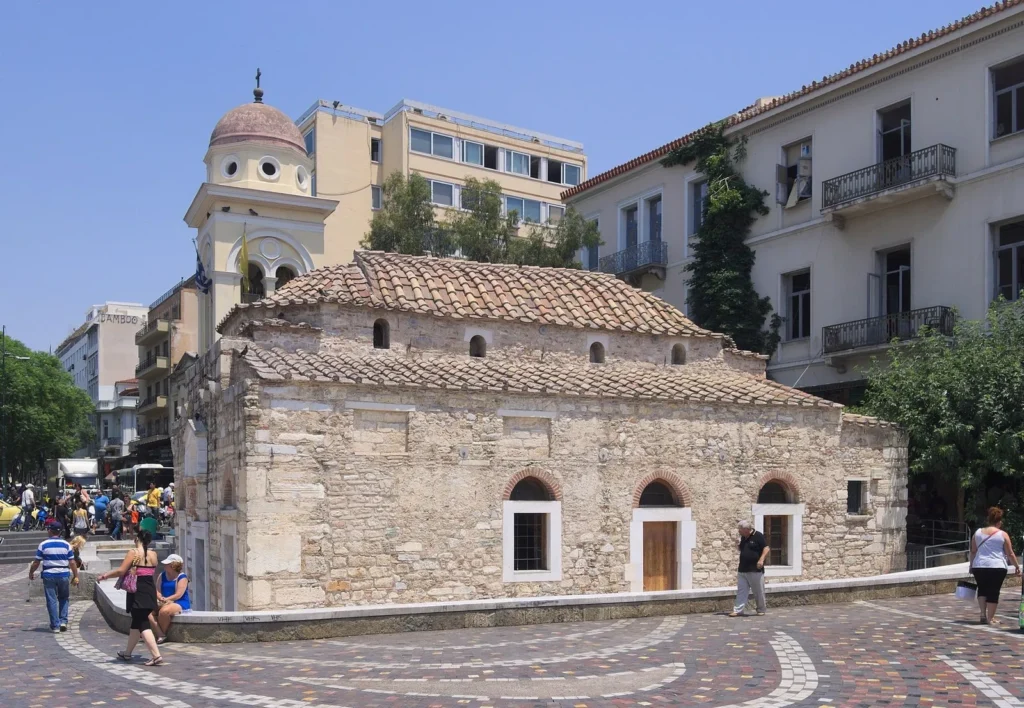
What to do in the evenings on your own
Evenings are where solo travel can feel longest, so plan a couple in advance and leave the rest open.
The Acropolis Museum on a Friday. From 1 November to 31 March the museum stays open until 22:00 on Fridays (last entry 21:30), compared with 17:00 from Monday to Thursday and 20:00 at weekends. An evening among the Parthenon sculptures with thinner crowds is one of the best solo evenings in the city. The museum restaurant needs only a free admission ticket from the main desk, not a paid exhibition ticket, so you can also go just for a meal with a view.
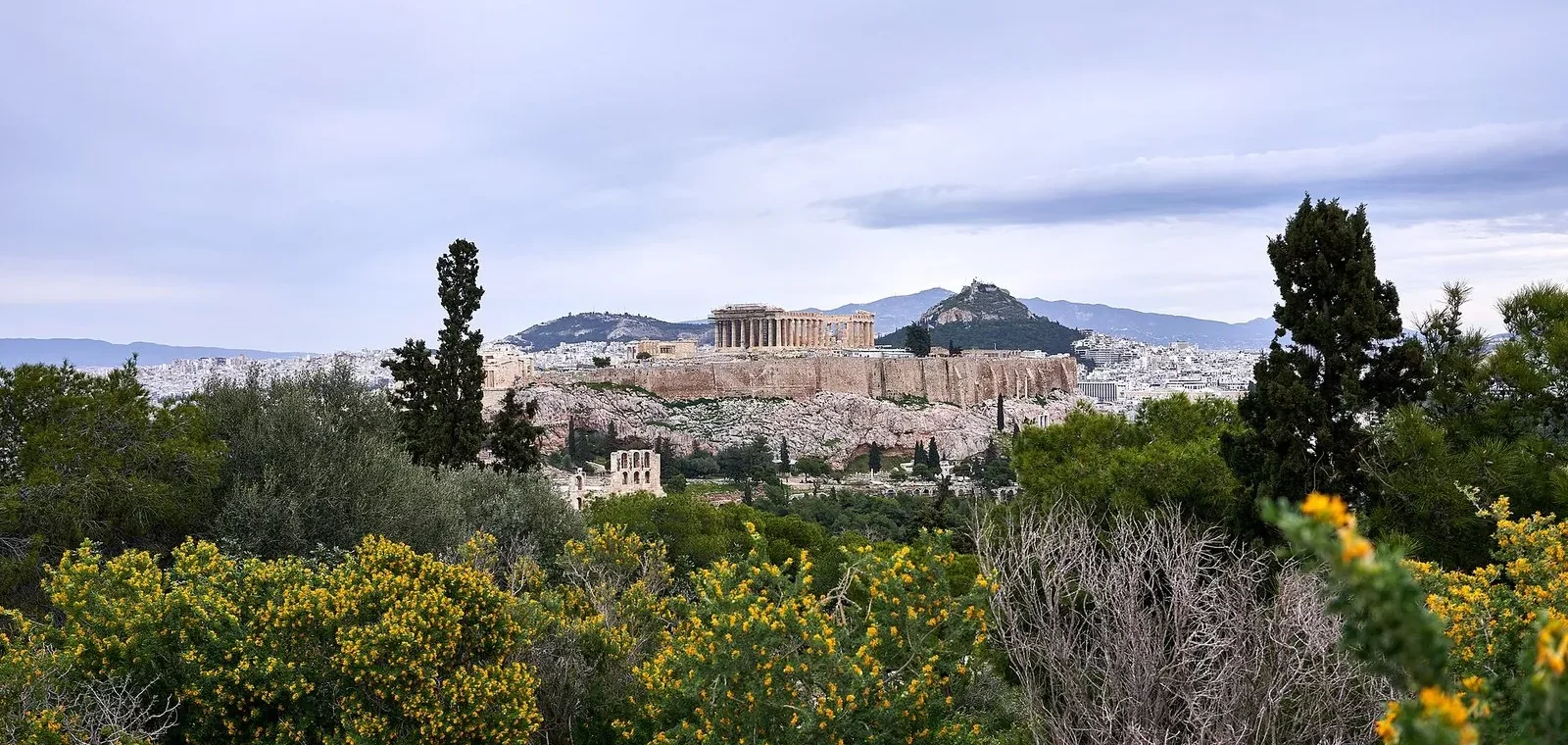
Sunset from Philopappos Hill. The hill opposite the Acropolis is free to visit, and the paths up from the Acropolis side give the classic view across to the Parthenon with Lycabettus behind. Go up while it is light and come down with the last of it, rather than wandering the paths in full darkness alone.
A film. The Trianon at 21 Kodrigktonos Street operates all year and has a retractable roof. A cinema is one of the few evening outings where being alone is the norm.
A long walk and a late snack at the SNFCC. The SNFCC, the Stavros Niarchos Foundation’s cultural complex in Kallithea, home to the National Library and the Greek National Opera, has a large park that costs nothing to walk in. Check snfcc.org for opening hours and the shuttle bus from Syngrou-Fix metro.
A bar seat. Wine bars and cocktail bars in Psyrri, Koukaki and Kolonaki usually have counter seats, which make a single drink sociable. Bartenders are used to people on their own, and a counter is where conversations start.
Getting back. On Saturdays metro Lines 2 and 3 run through the night, except for the airport section, and the X95 express bus between Syntagma and the airport runs 24 hours. Otherwise check the last trains on the OASA site, and take a metered taxi or an app taxi for anything late. Paying by card is routine.
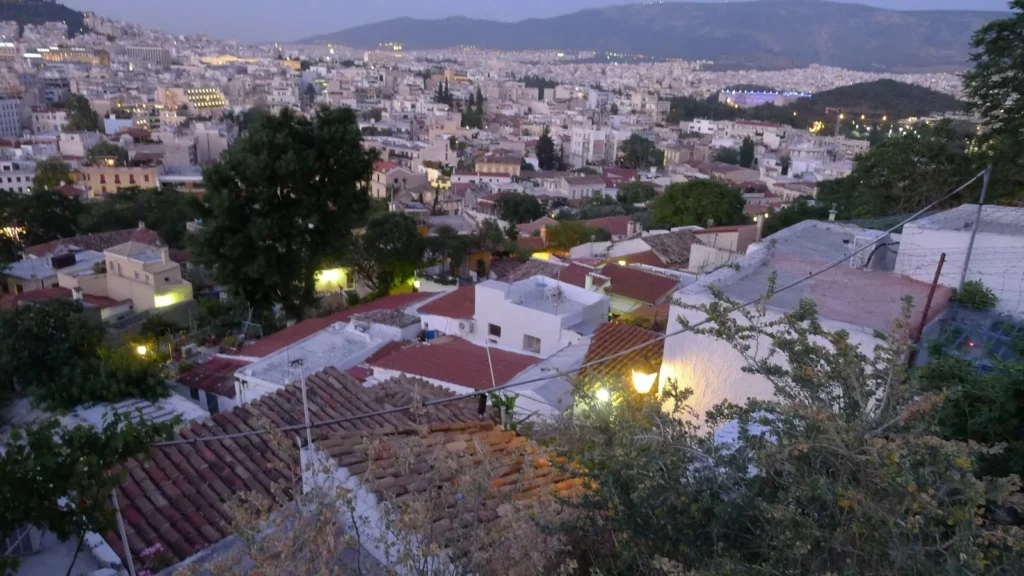
A three-day solo-friendly Athens itinerary
This plan uses the winter hours that run from 1 November to 31 March, keeps the days walkable, and builds in the meals that work best for one. It is deliberately looser than our day-by-day three-day Athens itinerary for first-timers, with more time for sitting still. For longer stays and day trips, browse our Athens itineraries for every trip length.
Day 1: the Acropolis, the museum and a hilltop sunset
- Acropolis at 08:00: winter hours are 08:00-17:00, and the first slot is the calmest. Book a timed ticket (€30) on tickets.hh.gr the day before. Allow two hours.
- Acropolis Museum: walk down to Makrygianni. The museum costs €20 and closes at 17:00 from Monday to Thursday, so do it before lunch on a weekday or save it for Friday evening.
- Lunch in Koukaki or Makrygianni: a cooked dish and a salad, or two mezedes, at a neighbourhood taverna.
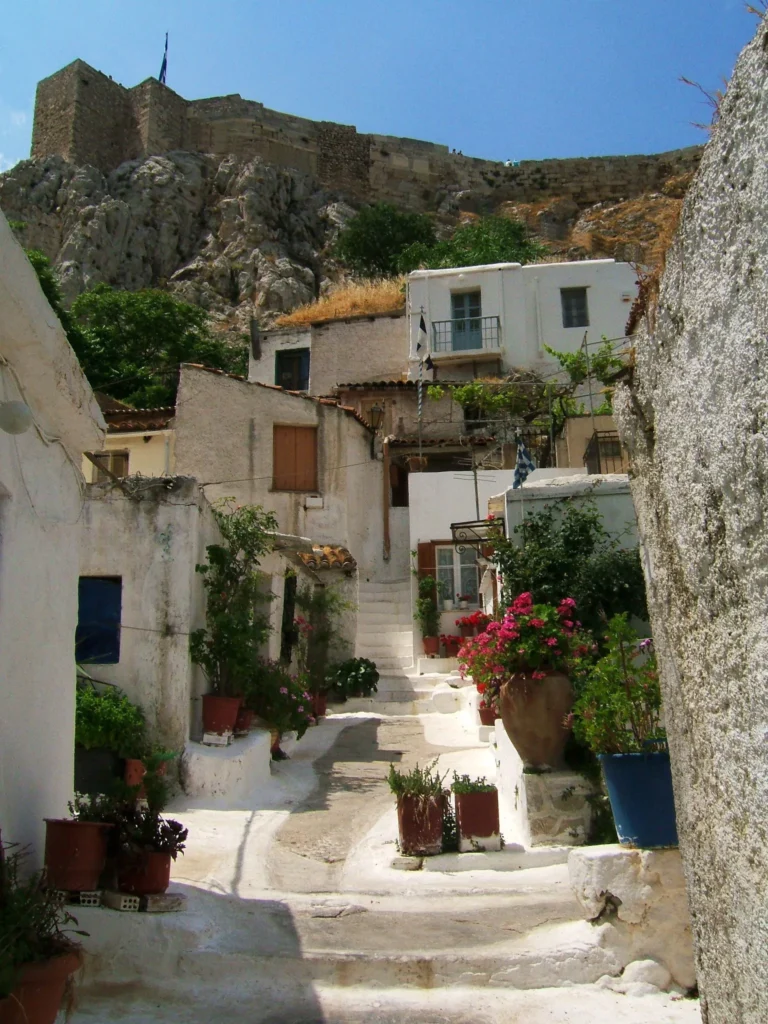
- Anafiotika and Plaka: climb into the island-style lanes on the Acropolis’s north-east slope. Every route through involves steps.
- Philopappos Hill for sunset: cross back and climb for the view of the Parthenon in the last light.
- Dinner: souvlaki or a meze bar near your base. An early night is allowed.
Day 2: the market, the Ancient Agora and Psyrri
- Central Market in the morning: walk the meat and fish halls and the spice shops around Athinas Street. Remember it is closed on Sundays.
- Coffee and a koulouri: anywhere with a pavement table.
- Ancient Agora: €20 (reduced €10), including the museum in the Stoa of Attalos, open 08:00-17:00 in winter with last admission 20 minutes before closing. Check hh.gr for which gate is in use on the day. Allow two hours.
- Kerameikos: reopened in September 2026, €10, entrance at 148 Ermou Street, about seven minutes’ walk from Thissio station on Line 1. It closes at 15:00 in winter (last admission 20 minutes earlier), so go straight after the Agora.
- Monastiraki flea market: Ifaistou Street for records, second-hand clothes and leather.
- Evening in Psyrri: a meze dinner around 19:30, then a bar counter or live music.
Day 3: the great museum, a marble stadium and Exarchia
- National Archaeological Museum: €20, reached from Omonia or Victoria metro stations. Check namuseum.gr for the day’s hours. It is free on the first and third Sundays from November to March, which in December 2026 means 6 and 20 December.
- Exarchia: bookshops, record shops and cafés a few streets away. On a Saturday, start at the Kallidromiou street market instead.
- Syntagma: the Evzones of the Presidential Guard change at the Monument of the Unknown Soldier every hour, free to watch.
- National Garden: walk through the 15.8-hectare garden behind Parliament.
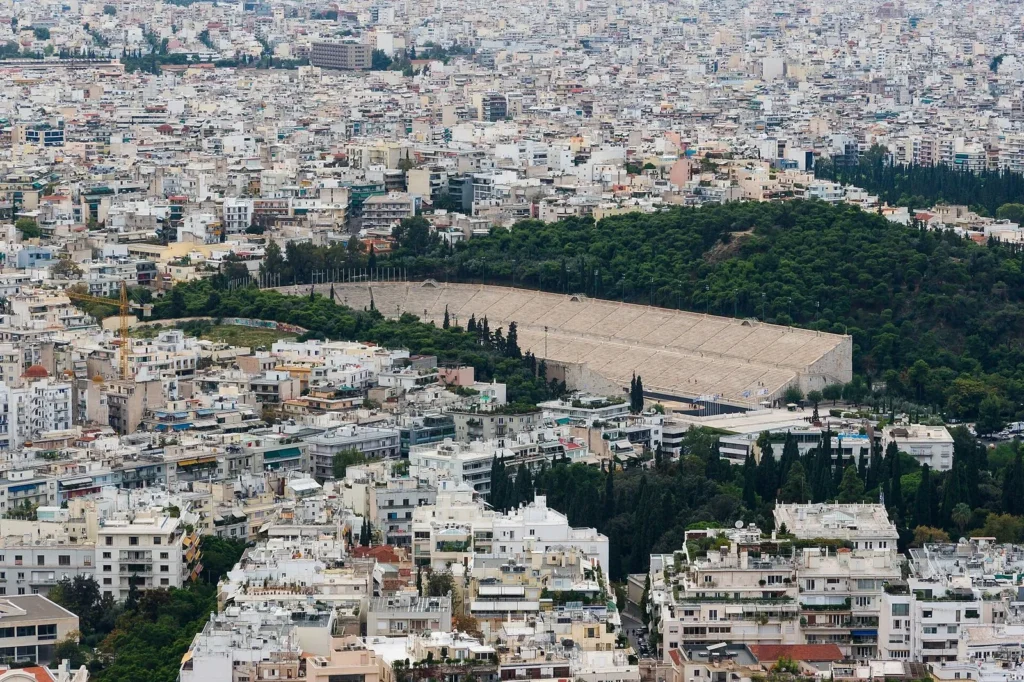
- Panathenaic Stadium: €12 (reduced €6), open 08:00-17:00 from November to February and 08:00-19:00 from March to October. Tickets are sold at the stadium desk and on its own ticket site, and you can walk the track and the vaulted passage.
- Last night: a food-tour recommendation you saved from day one.
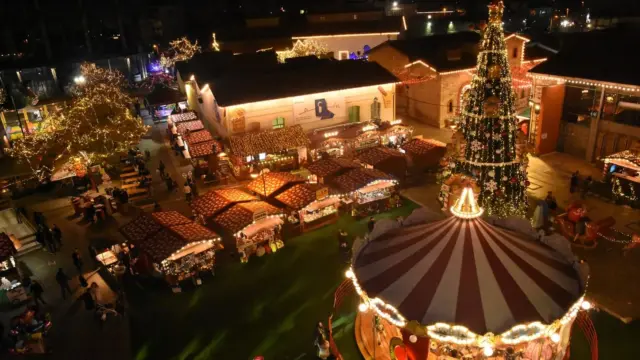
Plan it: if a free Sunday falls in your trip, use it for the National Archaeological Museum rather than the Acropolis, where the free-day queues are longest. Arriving in December? Our guide to Athens at Christmas covers the lights and markets, which make easy evening walks alone.
What to skip when you are travelling alone
The airport taxi. At €50 to €65 for one, it is the single most expensive way to reach the centre. The metro takes you to Syntagma or Monastiraki for €9, and the €20 three-day tourist ticket covers the airport both ways plus all city travel. Verdict: take the metro unless you land in the small hours, when the X95 bus or a taxi is the sensible call.
“Skip-the-line” Acropolis tickets from resellers. Every Acropolis ticket is timed, and the official online seller is tickets.hh.gr. Compare any reseller’s price with it before paying a premium. Verdict: book direct, early in the day.
Restaurants with a doorman and a photo menu on the busiest Plaka streets. Not always bad, but rarely good value, and solo diners are an easy target for the hard sell. Verdict: walk two streets away from the main lanes and eat where the menu is short.
An over-packed schedule. The temptation alone is to fill every hour. Athens rewards the opposite: a long coffee, an unplanned afternoon in a neighbourhood, an early night after a big museum. Verdict: one major sight in the morning, one smaller one in the afternoon, and nothing booked after dark unless you want it.
What a solo trip to Athens costs
Beds and meals vary too much to price honestly, so check accommodation on each property’s own site and use our Athens trip cost guide for daily budgets. The fixed costs below are the ones a solo traveller pays in full, with nobody to share them.
| Item | Price (full) | Note |
|---|---|---|
| Airport metro, single | €9 | €16 return within 30 days |
| Airport Express bus | €5.50 | X95 to Syntagma runs 24 hours |
| Airport taxi, flat fare | €50 (€65 higher tariff) | Same price for one or four |
| Three-day tourist ticket | €20 | Includes the airport both ways |
| 90-minute ticket / 24-hour ticket | €1.20 / €4.10 | Contactless bank cards cap at €4.10 a day for city travel |
| Acropolis | €30 | Free first and third Sundays, November to March |
| Acropolis Museum | €20 | Late opening on winter Fridays |
| National Archaeological Museum | €20 | Free first and third Sundays, November to March |
| Ancient Agora / Kerameikos | €20 / €10 | Separate tickets; no combined pass |
| Panathenaic Stadium | €12 | Sold at the stadium and on its own ticket site |
| Old Town food tour (Athens Walking Tours) | €49 | Two hours |
For cash, use a bank’s own ATM where you can: third-party machines may charge up to €1.50 a withdrawal and show the fee before you confirm, and your own card issuer may add its own charge. A local eSIM or SIM makes solo navigation much easier; our guide to SIM cards and Wi-Fi in Athens compares the options.
For everything else, from the best month to go to what to pack, head back to our Athens trip-planning hub.
Solo Travel in Athens FAQ
Is Athens safe to travel alone?
Yes, for most visitors. The main risks are pickpocketing in crowds and on busy trains, occasional overcharging and quiet streets late at night, as in any capital. Keep valuables zipped and in front, use metered or app taxis, and save 112 and the tourist police number, 1571. Our separate safety guide covers specific areas and scams in more depth.
Is Athens good for solo female travellers?
Generally, yes. Women travelling alone use the same common-sense precautions as anywhere: stay central, take a taxi rather than walking long empty streets late at night, and let someone know your plans on longer days out. Hostels with private rooms and a staffed 24-hour desk, such as Athens Backpackers, add a layer of reassurance on a first trip.
How many days do I need in Athens on my own?
Three full days covers the Acropolis, the Acropolis Museum, the National Archaeological Museum, the Ancient Agora and two or three neighbourhoods at a relaxed solo pace. Add a fourth or fifth day for a day trip or simply for slower mornings. Two days works if Athens is a stopover before the islands, but expect to rush.
Where is the best area to stay in Athens for a solo traveller?
Psyrri and Monastiraki suit travellers who want evenings out and hostels close by, with Monastiraki station on Lines 1 and 3. Makrygianni and Koukaki are calmer and put the Acropolis and its museum within a short walk. Either way, stay central: your base is also where you will spend your evenings.
Is it awkward to eat alone in Athens restaurants?
Much less than you might expect. Lunch is the main meal and plenty of people eat alone then, souvlaki places are built for one, and a mezedopoleio works well if you order two or three small plates. Arrive around 19:30 for dinner, before the big groups, and you will usually get a good table and attentive service.
How do I meet other travellers in Athens?
Stay at a hostel with a bar or roof terrace, even in a private room, and book a small-group walking or food tour early in your trip. Culinary Backstreets, for example, runs groups of two to seven and says many guests come alone. Saturday street markets and live-music nights are good for meeting locals too.
Do I need cash in Athens?
Not much. Cards are accepted almost everywhere in the centre, taxis must take them, and contactless bank cards work on the metro and buses with a €4.10 daily cap for city travel. Keep a little cash for kiosks and markets. Third-party ATMs may charge up to €1.50 a withdrawal, so use bank-owned machines where possible.
Related Athens Guides
- Planning Your Athens Trip: the hub for dates, budgets, transport and paperwork.
- Is Athens Safe? Safety Tips for Tourists: areas, scams and what to do if something goes wrong.
- Budget Hotels and Hostels in Athens: more places to stay at lower prices.
- Athens Itineraries: plans from one day to a week, with day trips.
- Best Time to Visit Athens: weather and crowds month by month.
Sources and How We Checked
Checked on 9 November 2026 against the official sources below.
- Hellenic Police: direct lines, including 100 and the 1571 tourist police service
- Hellenic Heritage (Ministry of Culture): Acropolis, Ancient Agora and state-site hours, prices and free days
- Acropolis Museum: hours and admission; National Archaeological Museum: visiting information
- OASA: fares, airport tickets, contactless payment and 24-hour services
- Hellenic Ministry of National Economy and Finance: ATM withdrawal fees
- City of Athens: official visitor guide (Central Market, markets, venues, tipping); Panathenaic Stadium: visiting hours and tickets
- Operators: Athens Backpackers, City Circus, Athens Walking Tours, Culinary Backstreets
Athens Tourism Guide is an independent publication. We are not affiliated with the Hellenic Ministry of Culture, OASA, the Greek National Tourism Organisation or any business named here, and no business paid to be included.
Photo Credits
- A street corner in Psyrri: photo by Jean Housen, via Wikimedia Commons (CC BY-SA 4.0)
- The Central Market fish hall: photo by C messier, via Wikimedia Commons (CC BY-SA 4.0)
- Monastiraki Square: photo by C messier, via Wikimedia Commons (CC BY-SA 4.0)
- Plaka rooftops at dusk: photo by Oseko, via Wikimedia Commons (Public domain)
- A lane in Anafiotika: photo by Stephanie Costa, via Wikimedia Commons (CC BY 2.0)
- The Panathenaic Stadium: photo by Jebulon, via Wikimedia Commons (CC0)
- The Acropolis from Philopappos Hill (featured image): photo by George E. Koronaios, via Wikimedia Commons (CC BY-SA 4.0)