This article contains advertising. Some of the hotel, tour, activity, flight and transfer links in it are paid links: if you book through one, we get a commission from the booking company, and your price is the same either way. It never affects what we recommend. Affiliate disclosure
Athens is not the obvious destination for animal-focused family travel — the city’s reputation is built on antiquities, not wildlife — but tucked into its suburbs and along the Saronic coast is a surprisingly strong network of zoos, aquariums, butterfly gardens, sea turtle rescue centers, and working horse stables that together make a multi-day family itinerary entirely possible. The flagship Attica Zoological Park is the largest zoo in Greece, home to over 2,000 animals across 350 species; the small but excellent Hellenic Cosmos Cultural Centre runs animal-themed family workshops; ARCHELON’s loggerhead turtle hospital in Glyfada lets kids meet recovering sea turtles up close; and the natural settings around Athens — Mount Hymettus, Mount Parnitha, the Marathon wetlands — provide opportunities to spot wild tortoises, jackals, and Mediterranean birds with the right guide. This guide covers every wildlife and zoo experience worth a family’s day in and near Athens, ranked by age suitability, with logistics, costs, and the honest assessment of what works and what doesn’t.
Attica Zoological Park — The Flagship Wildlife Experience Near Athens

The Attica Zoological Park in Spata, about 25 minutes by car from central Athens and adjacent to Athens International Airport, is the only zoo in Greece and one of the larger zoos in southeastern Europe. It opened in 2000 as Greece’s first modern zoological park and now houses over 2,000 animals across 350 species — among the most extensive bird collections in Europe (over 1,100 individual birds), a large carnivore exhibit including white tigers and lions, a primate house, a reptile house, a Cheetah Land, a Farm Zone for younger children, and a dolphinarium that runs daily marine mammal demonstrations.
What Makes Attica Zoo Work for Families
Three things distinguish Attica Zoo from most European zoos. First, scale: walking the entire park top-to-bottom takes 4-6 hours including animal demonstrations, so families have a full day’s content. Second, the bird collection — Greek climate suits exotic birds well, and the zoo has invested in walk-through aviaries where lorikeets, flamingos, and parrots fly inches from visitors. Third, animal-feeding experiences: kids can hand-feed lorikeets (€3 nectar cup), giraffes (specific times, free), and farm animals in the Farm Zone (free) — these direct-contact moments are what kids remember from any zoo visit.
Daily Schedule of Animal Activities
The zoo runs scheduled activities throughout the day that families should plan around. A typical summer schedule: 10:30 — pelican feeding; 11:30 — parrot show in the main aviary; 12:30 — dolphin presentation in the dolphinarium; 13:30 — sea lion training; 14:30 — second dolphin presentation; 15:30 — chimpanzee feeding; 16:00 — bird of prey demonstration. Arrive at opening (9:00am most of the year, 8:30am in July-August), do the Farm Zone and lemurs first while it’s cool, plan lunch in the central restaurant around the noon dolphin show, do big-cat areas in the early afternoon, finish at the parrot aviaries. Most family visits last 5-6 hours.
Attica Zoo Logistics
Tickets: €18 adults, €14 children 3-12, free under 3, family ticket of 2 adults + 2 children €58. Open daily 9:00-19:00 in summer, 9:00-17:00 in winter. By car: 25-30 minutes from central Athens via Attiki Odos motorway, exit at Spata, free parking on-site. By bus: KTEL route 319 from the airport, or take metro to Doukissis Plakentias then bus. Strollers welcome and rentable on-site (€3); the park is paved and stroller-friendly throughout. Excellent on-site restaurants and snack bars; bringing food is permitted in designated picnic areas. Best time to visit: October-November or March-May, when animals are most active; July-August midday heat causes animals to retreat into shade and reduces the experience.
ARCHELON Sea Turtle Rescue Centre — Glyfada
ARCHELON, the Sea Turtle Protection Society of Greece, operates a public-access loggerhead sea turtle rescue and rehabilitation center in Glyfada on the Athens Riviera. This is one of the most emotionally engaging wildlife experiences in Athens for children. The center receives injured turtles from across the Greek coast — turtles hit by boat propellers, entangled in fishing gear, or sickened by ingested plastic — and rehabilitates them for release. Visitors see actual turtles in recovery tanks, learn about Mediterranean conservation, and can adopt-a-turtle to fund ongoing care.
The Visitor Experience
Visits begin with a 20-minute presentation by ARCHELON staff explaining the life cycle of the loggerhead turtle, the threats they face, and how the rescue program works. Children then tour the rehabilitation pools where they can see turtles undergoing recovery — wing-tagged turtles, turtles with prosthetics, turtles with shell repairs. Volunteers explain each individual case. The visit concludes with a Q&A and an opportunity to symbolically “adopt” a recovering turtle for €30, which funds two months of care and provides a certificate with the turtle’s photo.
ARCHELON Logistics
Open daily 11:00-19:00 in summer (June-September), reduced hours October-May. Suggested donation €4 per adult, €2 per child. Located at Glyfada Marina, easily reached by tram from Syntagma (60 minutes) or 25-minute car ride. Plan 60-90 minutes; the visit is hands-off (no touching of turtles, which is the right policy) but visually and emotionally compelling. Pair with a beach afternoon on the Athens Riviera.
The Stavros Niarchos Foundation Cultural Centre & Park Wildlife
The Stavros Niarchos Foundation Cultural Centre in Kallithea is the home of the National Library of Greece and the Greek National Opera, but it also includes a 21-hectare park with significant biodiversity. The park’s lakes and gardens host populations of resident and migratory birds — pelicans visit in winter, swallows nest throughout, hoopoes, kingfishers, and herons are seen year-round. The park runs free family birdwatching walks on Sunday mornings (10am, 90 minutes, English on request) led by Hellenic Ornithological Society volunteers. Bring binoculars; the park lends some free if you ask at the visitor centre.
Hellenic Wildlife Hospital (Aegina Island)
For families taking a day trip to Aegina, the Hellenic Wildlife Hospital is a non-profit veterinary rescue operation that has rehabilitated over 30,000 wild animals since 1983. The hospital is open to visitors by appointment and provides educational tours about Greek native species — wolves, jackals, vultures, eagles, owls, sea birds, and reptiles. Visits are donation-based and take 60-90 minutes. Children meet permanent residents (animals too injured to be released back to the wild) and learn about Greek wildlife conservation.
The Athens Aquarium & Marine Life Experiences
Athens does not have a large standalone aquarium comparable to those in Lisbon or Genoa, but the Cretaquarium in Crete is the largest in the eastern Mediterranean (mention only — this is a separate trip), and Athens offers several smaller marine-life experiences. The Attica Zoo dolphinarium is the closest large-scale marine mammal experience. The marine biology displays at the University of Athens Zoological Museum in Panepistimiou are small but free and include preserved Mediterranean species — interesting for older kids interested in marine biology.
The Best Marine-Life Experience: Going to Sea
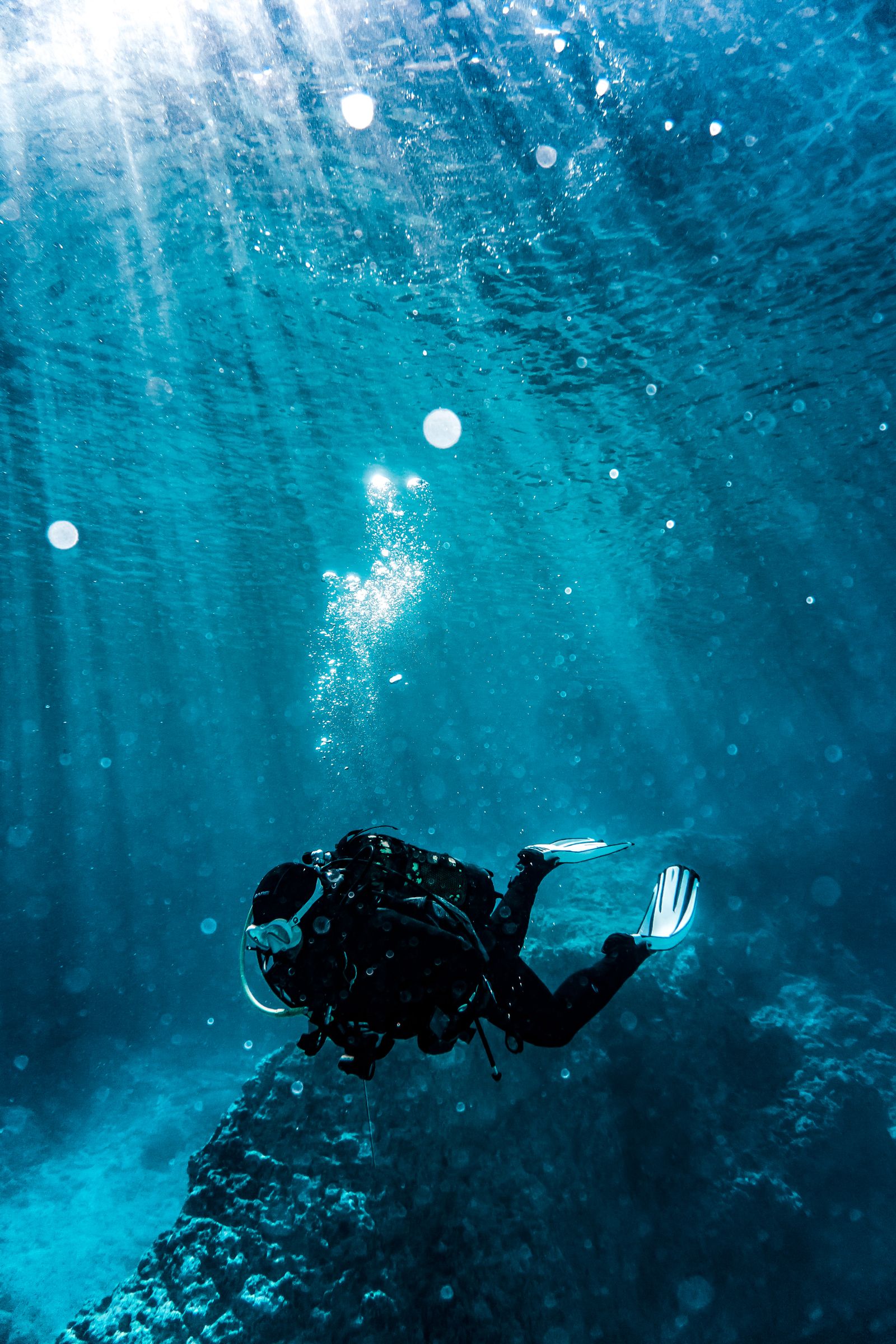
The most honest recommendation for kids who love marine life: skip the indoor aquarium concept and book a half-day sailing or snorkeling trip out of Vouliagmeni, Glyfada, or Lavrio. Several family-friendly operators run morning sailing trips that include snorkeling at protected coves where kids see sea urchins, octopus, wrasse, and damselfish in their natural habitat. Cost €60-80 per adult, €30-40 per child; this is one of the best wildlife experiences available in Athens.
Pony & Horse Experiences for Kids
Several riding stables in the Athens periphery offer family pony lessons and trail rides. The Athens Riding Club in Maroussi (€35 per hour, ages 5+) is the most accessible. The Hippeio Athinon offers half-day mountain trail rides up Mount Hymettus for older children and teens. Pony rides for under-5s are available at several venues including the Stavros Niarchos Park during summer events.
Butterfly Garden & Insect Experiences
The Goulandris Natural History Museum in Kifissia maintains a small butterfly garden that operates April-October. Children can observe the butterfly life cycle — egg, caterpillar, chrysalis, adult — and the garden’s botanical layout shows which Mediterranean plants support which butterfly species. Combined with the dinosaur hall and the Gaia Centre, the Goulandris campus provides a full day of natural-history learning.
Birdwatching in Athens — Marathon Wetlands & Hymettus
For families with birdwatching interest, two locations near Athens offer accessible, productive birding. The Schinias Marathon National Park combines a pine forest, lagoon, and beach where over 175 bird species have been recorded — herons, egrets, ducks, raptors. The Hellenic Ornithological Society runs guided walks here April-October (€20 per adult including binoculars rental, free for children). Mount Hymettus, immediately east of Athens, hosts golden eagles, Bonelli’s eagles, vultures, and many smaller species; hike the Kaisariani area early morning for the best birding.
Wild Animal Encounters: Tortoises & Snakes
One of the surprises of Greek hiking is how often families encounter Hermann’s tortoises moving slowly across paths — they are common throughout Attica’s pine and scrub landscapes. Children find these encounters magical. The best places: any walking trail on Mount Hymettus, especially between April and June; the lower slopes of Mount Parnitha; the Marathon wetlands. Greek non-venomous snakes (leopard snakes, four-lined snakes) are sometimes seen sunning on rocks; venomous Vipera ammodytes lives in mountain areas but is shy and rare. Teach kids to look, not touch.
Worst Wildlife Experiences to Avoid
Two warnings worth giving. First: horse-drawn carriage rides through central Athens, while available, are not recommended — the welfare standards for the horses are inconsistent and the city traffic is difficult for the animals. Second: any “swim with dolphins” operator who keeps captive dolphins outside the regulated Attica Zoo dolphinarium environment. Stick to wild dolphin sightings on boat trips — they happen often in the Saronic Gulf and are far more meaningful experiences for kids.
Sample Two-Day Wildlife & Animal Family Itinerary
Day 1: Attica Zoological Park, opening to mid-afternoon (5 hours). Late afternoon swim at any Riviera beach to decompress. Dinner in Glyfada. Day 2: Morning sailing & snorkeling trip out of Vouliagmeni (4 hours). Lunch on Vouliagmeni Bay. Afternoon visit to ARCHELON Sea Turtle Rescue Centre in Glyfada (90 minutes). Evening dinner.
Cost & Booking Summary
Attica Zoo family ticket: €58, no advance booking required. ARCHELON donation: €4 per adult, drop-in. Birdwatching walk: €20 per adult, book via Hellenic Ornithological Society. Sailing trip: €60-80 per adult including snorkel gear, book one week ahead in summer. Butterfly garden at Goulandris: combined museum ticket €8. Pony lessons: €30-40 per hour, book day ahead. Total budget for a strong two-day family wildlife itinerary: €250-350 for a family of four including transport and food.
Best Times of Year for Wildlife Experiences in Athens
October-November and March-May are ideal: animals are active, temperatures are comfortable, school groups have not yet crowded popular sites. Spring (April-May) is best for birdwatching due to migration. Summer (July-August) reduces animal activity at the zoo due to heat — animals retreat to shade and visitors see less; book the earliest opening time to maximize sightings. Winter is excellent for birdwatching at Schinias due to migratory waterfowl, but reduces the zoo experience because outdoor exhibits empty out.
Athens Botanical Gardens & Plant Life for Curious Kids
While not strictly wildlife, the Diomedes Botanical Garden in Haidari is the largest botanical garden in the eastern Mediterranean and a wonderful complement to the Attica Zoo. The garden’s 460 acres host more than 3,000 plant species organized by geographic origin and ecological role. The “Plants of Greek Mythology” section is particularly engaging for children — find Daphne’s laurel, Athena’s olive, Persephone’s pomegranate, and Apollo’s hyacinth in a single walk. The garden runs weekend educational programs for families including seed planting and botanical identification walks. Free admission; open Monday-Saturday 8am-3pm during the cooler months.
Marine Mammals in the Saronic Gulf
One of the underappreciated wildlife experiences near Athens is dolphin watching from regular ferries. Common dolphins (Delphinus delphis) and striped dolphins (Stenella coeruleoalba) are seen on most Saronic Gulf ferry routes, particularly the Piraeus-Aegina and Piraeus-Hydra runs, between April and October. Children who watch from the ferry deck for 30 minutes are highly likely to see pods of 5-15 dolphins riding the bow wave. Take binoculars; bring patience; don’t expect on-demand sightings but be prepared for the genuine excitement when they appear.
Greek Native Tortoises & Reptile Education
Hermann’s tortoises (Testudo hermanni) live throughout Attica’s pine and scrub landscapes — they are one of the most reliable wild encounters for hiking families. Children find these encounters magical. The Greek Reptile Centre near Mount Hymettus (open weekends) offers educational programs about Greek native reptiles including tortoises, lizards, and harmless snakes. Children learn species identification, the role of reptiles in Mediterranean ecosystems, and importantly, how to behave around wildlife (look, don’t touch, never pick up tortoises which causes them to release their water supply and risks dehydration).
Bird-of-Prey Centers & Falconry
Two falconry-focused educational centers operate within driving distance of Athens. They run weekend programs where children can meet trained Mediterranean raptors — Bonelli’s eagles, Eleonora’s falcons, common kestrels — and learn about predator-prey ecology, raptor biology, and conservation. Programs run €15-25 per child including a short demonstration. Check current schedules; the centers operate seasonally.
Aquatic Bird Watching at Schinias National Park
The Schinias-Marathon National Park combines pine forest, sandy beach, and a saltwater lagoon — together one of the most important coastal wetlands in Attica. Over 175 bird species have been recorded including flamingos in winter, herons year-round, terns and gulls, ducks during migration. The lagoon boardwalks allow easy access; bring binoculars. Free entry; the park is also one of the best family beach destinations. Combining a morning of birdwatching with an afternoon swim creates an outstanding low-stress family day.
The Best Family Wildlife Photography Spots
Kids who like photography will find good subjects in: the bird-feeding stations at the Attica Zoo; the loggerhead turtle tanks at ARCHELON (with low light, no flash); butterflies in the Goulandris butterfly garden; tortoises encountered on Mount Hymettus walks; ducks and herons at the Stavros Niarchos park lakes. Lend the kids a phone or simple camera and ask them to photograph 10 different animals or plants during the day; the request transforms wandering into engaged observation.
Wildlife Tips for Athens Families — Final Practical Notes
Three additional practical notes for families pursuing wildlife experiences around Athens. First, the seasonal best windows: April-June for bird migration and tortoise activity; September-October for comfortable zoo visits and post-summer wildlife sightings; winter for migratory waterfowl at Schinias and for ARCHELON volunteer opportunities. Second, equipment to bring: cheap binoculars for kids dramatically improve any wildlife outing — even basic 8×21 children’s binoculars transform a passive walk into active observation; a small notebook for sketches; a wildlife ID app like iNaturalist installed on a parent’s phone. Third, on conservation participation: ARCHELON, the Hellenic Ornithological Society, and several other Greek conservation organizations welcome family visitors as donors and short-term volunteers — even a small donation tied to a family visit creates lasting memory and modeled engagement for children. Combining education with charitable contribution often produces the most meaningful wildlife experiences for families on Athens trips.
Ethical Wildlife Tourism Principles
A few principles that should govern any family wildlife experience: never feed wild animals (regardless of how cute or hungry they appear); maintain at least the distance recommended on local signage; do not pick up or relocate wildlife (tortoises in particular); avoid any operator who allows direct contact with captive marine mammals outside the Attica Zoo dolphinarium; refuse photo opportunities involving wild animals on chains or in cages at street level (these still appear occasionally in tourist districts); support legitimate conservation organizations through paid visits and donations. Children learn lasting ethical principles from how parents model wildlife interactions.
Continue Planning Your Athens Trip
Zoom back out to the guides that put this in context: