This article contains advertising. Some of the hotel, tour, activity, flight and transfer links in it are paid links: if you book through one, we get a commission from the booking company, and your price is the same either way. It never affects what we recommend. Affiliate disclosure
Athens sits on the sea, and most visitors never realise it. While the Acropolis and Plaka steal the spotlight, the Athens Riviera runs for about 50 kilometres along the coast south of the city centre, lined with sandy beaches, rocky coves, beach clubs, and seaside tavernas. The nearest, Edem, is about half an hour from Syntagma on the T6 tram. For a quick dip after a morning of sightseeing or a full day of swimming, sunbathing, and seafood, the Athenian Riviera delivers.
This comprehensive Athens beaches guide covers every option along the coast — from free public beaches to luxury beach clubs, family-friendly shores to hidden coves, and all the practical details on how to get there, what to pay, and what to bring. We’ve organized the beaches by area, moving south from the city center along the Riviera toward Cape Sounion, so you can find the perfect beach for your style and schedule.
Understanding the Athens Riviera
The Athens Riviera (also called the Athenian Riviera or Apollo Coast) is the coastal strip that runs along the Saronic Gulf from Piraeus in the northwest to Cape Sounion in the southeast. The main beach towns — Palaio Faliro, Alimos, Glyfada, Voula, Vouliagmeni, and Varkiza — are essentially southern suburbs of Athens, connected to the city center by tram, bus, and metro. Beyond Varkiza, the coast becomes more rural as you continue toward Saronida, Anavyssos, Lagonisi, and eventually Cape Sounion.
The Riviera has undergone a dramatic transformation in recent years. What was once a somewhat neglected stretch of coastline has become one of the most desirable coastal destinations in the eastern Mediterranean, with luxury hotels, high-end beach clubs, and waterfront restaurants joining the traditional tavernas and public beaches that have always been there. The best part for visitors is that you don’t need to take a ferry to an island to find beautiful, swimmable water — the beaches are right here, accessible by public transport.
Beach Season and Water Conditions
The swimming season in Athens runs from late May through October, and the sea can reach about 25°C between July and September. Even in October, the water is often warmer than the air. Midsummer is when the beaches are at their busiest, particularly on weekends and during the August holiday period when many Athenians take their annual leave.
The Saronic Gulf waters are generally calm, with minimal currents and gentle waves — making Athens beaches excellent for families with young children. Visibility is typically good, particularly at beaches further from the city center. Blue Flag designations (indicating high water quality and environmental standards) are common along the Riviera, with beaches in Vouliagmeni, Voula, and Glyfada regularly earning the certification.
Free Beaches vs Organized Beach Clubs
Athens beaches fall into two broad categories, and understanding the difference will help you plan your day. Free public beaches are exactly what they sound like — open access, no entrance fee, and bring your own towel and umbrella. They range from well-maintained municipal beaches with basic facilities (showers, changing rooms, lifeguards) to completely undeveloped coves where you’ll find nothing but sand, rocks, and sea. The majority of beaches along the Riviera are free to access, though you may pay a small fee for a sunbed if you want one.
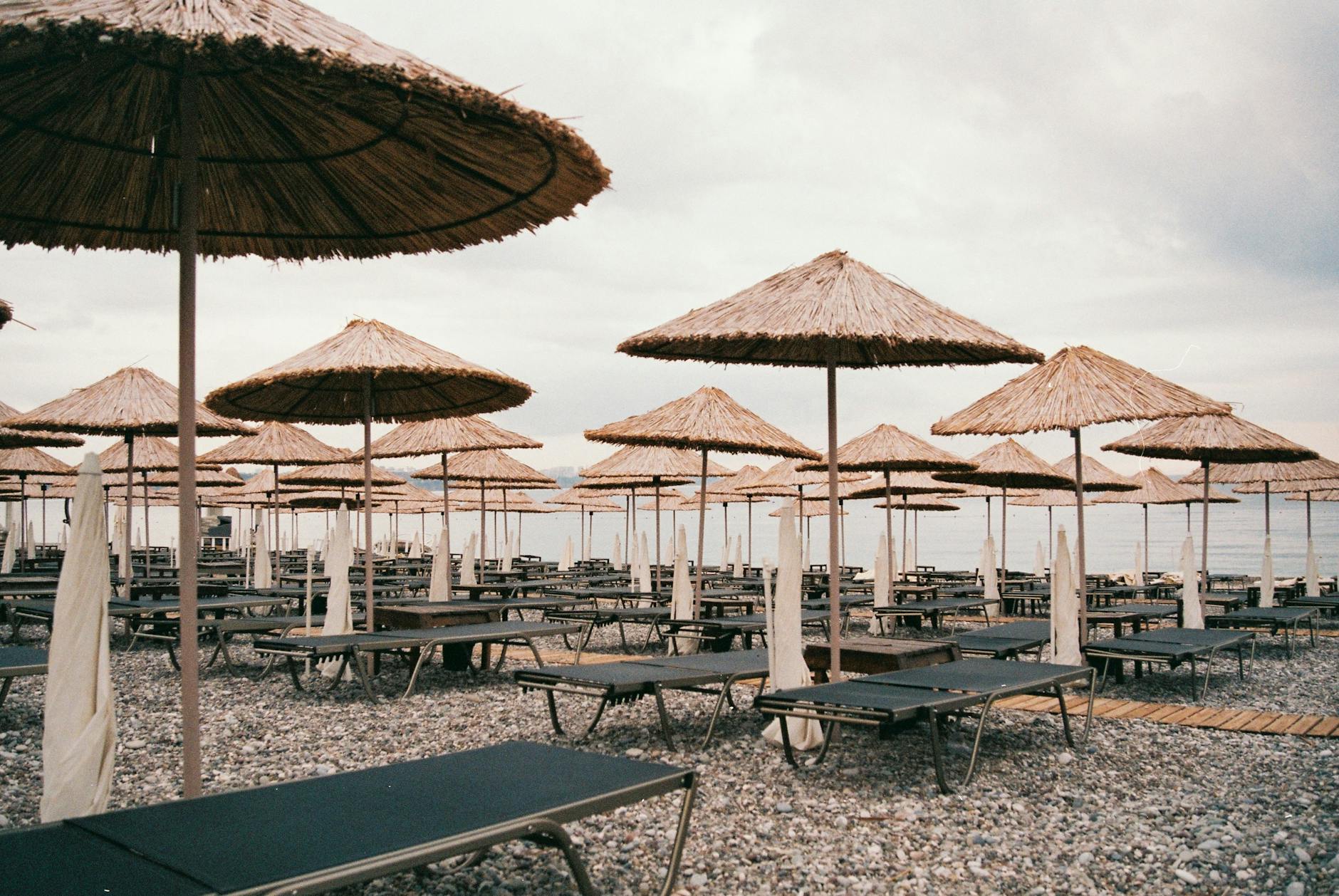
Organized beach clubs charge an entrance fee that includes access to sunbeds, umbrellas, showers, changing rooms, and usually a bar and restaurant. Prices vary by beach, day and season: at Varkiza (Yabanaki), adults pay €5 on weekdays and €10 at weekends, or €7 and €12 in July and August, while Akti Vouliagmenis charges €10 on weekdays and €15 at weekends through October 2026. The most luxurious clubs operate more like resort beach experiences, with waiter service, premium cocktails, DJ sets, and infinity pools overlooking the sea.
Beaches Near Central Athens by Tram
These beaches are the closest to the city center and the easiest to reach by public transport. They’re ideal for a quick afternoon swim after a morning of sightseeing at the Acropolis or exploring the food scene.
Edem Beach (Palaio Faliro)
Edem is an easy beach to reach from central Athens: about half an hour on the T6 tram from Syntagma Square (get off at the Edem stop), so allow up to an hour door to door. It’s a narrow strip of sand and pebbles along the Flisvos marina area. The beach is free, has basic facilities including showers and lifeguards, and is backed by a pleasant promenade with cafes and restaurants. The water quality has improved significantly in recent years, though it’s not the clearest on the Riviera. Edem is best for a quick dip rather than a full beach day: think of it as the convenient option when you don’t want to travel far.
Alimos Beach
Slightly further south, Alimos (also called Kalamaki) offers a longer stretch of organized beach with sunbeds, water sports, and beach volleyball courts. The tram stops nearby, making it easy to access. The beach is sandy with a gradual entry into the water, and the facilities are well-maintained. It’s popular with local families and young people, especially on summer evenings. Entrance is free, with sunbed rental available for a small fee.
Glyfada Beach
Glyfada is one of the most popular beach destinations on the Riviera, with several public beaches; the third generally has the better sand and cleaner water. It’s reachable by tram or bus from the city centre.
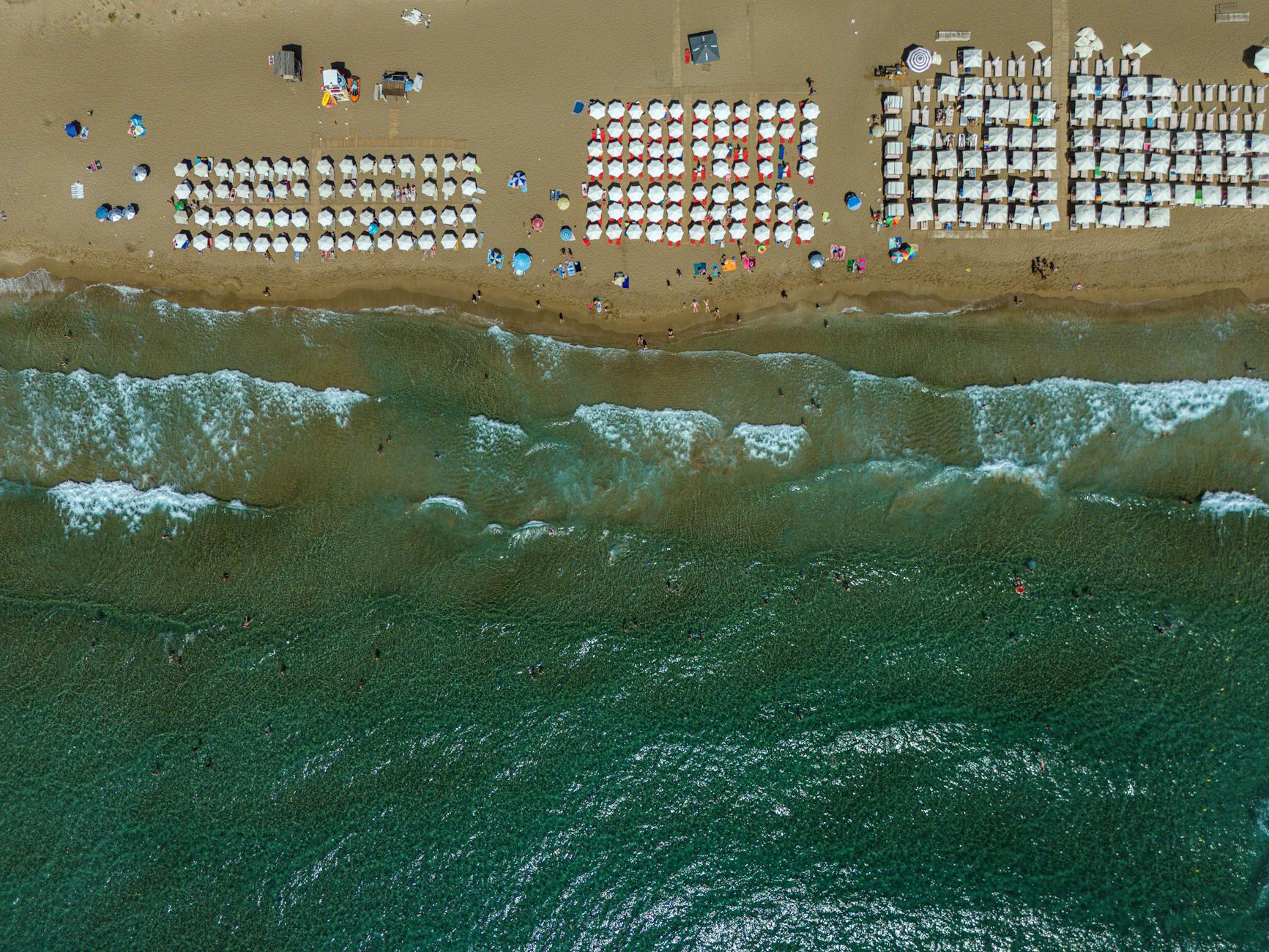
The main Glyfada beach is a Blue Flag-certified stretch of golden sand with clear water, lifeguards, and basic amenities. It’s free to access, though sunbed rental is available. The real draw of Glyfada is the town itself — a vibrant seaside suburb with excellent shopping, restaurants, cafes, and a lively nightlife scene in summer. Several beach bars operate along the waterfront, and you can easily combine a beach morning with a seafood lunch and an afternoon of browsing the boutiques on Metaxa Street.
Getting there: Tram T7 to Glyfada stops, or bus routes from central Athens. Cost: The public beaches are free. Best for: Beach-plus-shopping days, evening beach visits, accessibility.
The Vouliagmeni Area
Vouliagmeni is the jewel of the Athens Riviera — a beautiful peninsular area where pine-covered hills meet crystal-clear coves. Come here for clear coastal water, upmarket beach clubs and seaside dining, and the famous Lake Vouliagmeni, where you swim in thermal water.
Voula Beach
Just before Vouliagmeni, Voula has two main beaches. Voula A is a well-organized municipal beach with an entrance fee; check at the gate what the ticket includes, as sunbed sets can cost extra. The beach is sandy, well-maintained, and has full facilities including water sports, a playground, and accessible infrastructure. Voula B, slightly to the south, is a free beach with a more relaxed atmosphere. Both have good water quality and are family-friendly.
Getting there: Tram T7 to Voula terminus, then a short walk. Best for: Families, organized beach day on a budget.
Lake Vouliagmeni
Lake Vouliagmeni is one of the most unique natural attractions in the Athens area and an absolute must-visit. This mineral-rich lake sits in a collapsed cave beneath dramatic limestone cliffs, fed by underground thermal springs that keep the water temperature between 22–29°C year-round. The water is brackish (a mix of sea water and fresh spring water) and rich in minerals, historically used for therapeutic purposes.
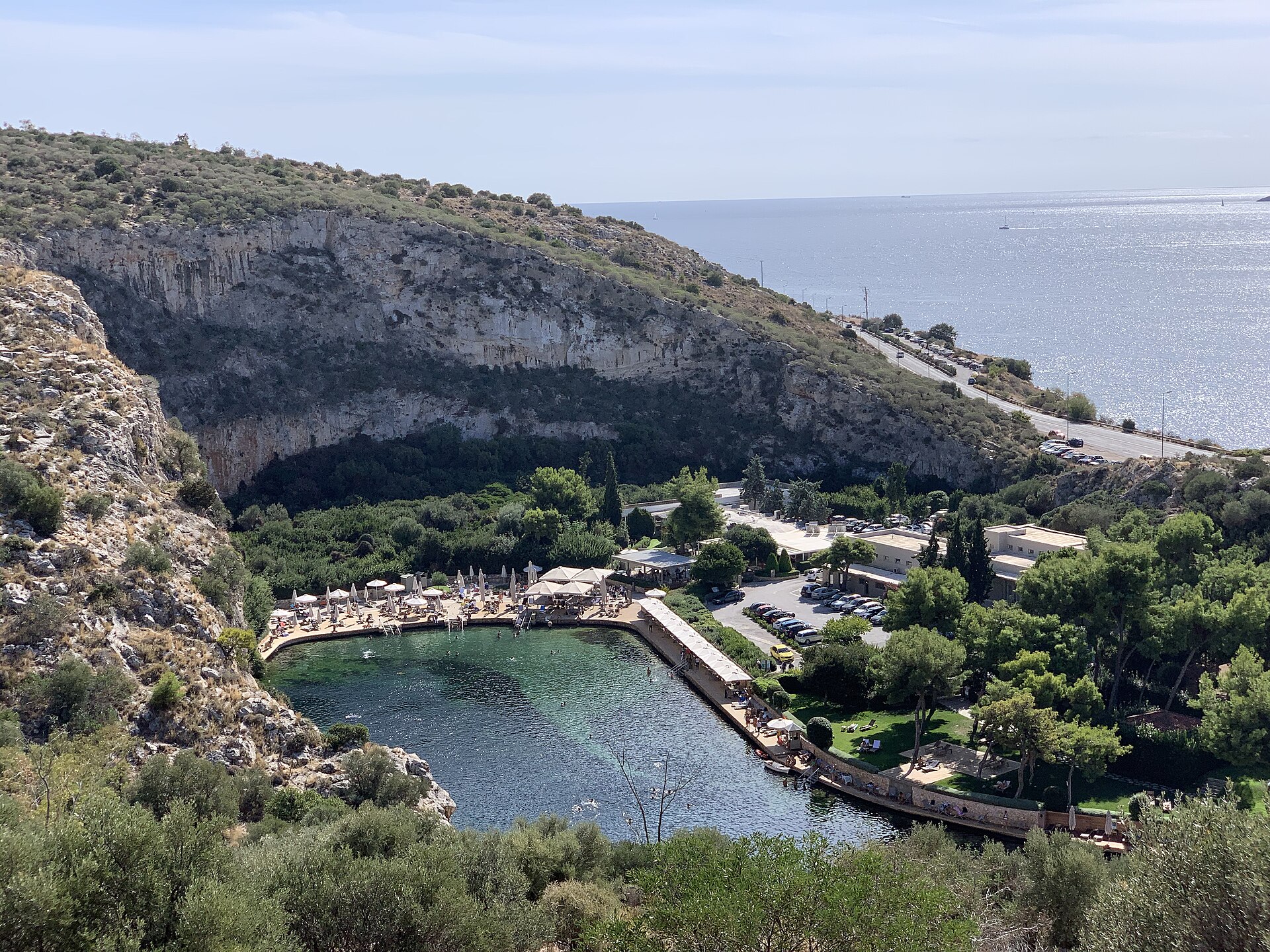
Swimming in the lake is a surreal experience — the water is warm, impossibly clear, and surrounded by lush vegetation and towering cliffs. Small fish (Garra rufa, the same species used in fish spa treatments) may nibble at your feet, providing a natural exfoliation. The facilities are excellent: sunbeds, a cafe, showers, and changing rooms, all set in a beautifully landscaped environment. Check the lake’s own website for current entrance prices and concessions. The lake is open year-round and is swimmable even in winter thanks to the thermal springs.
Getting there: Metro Line 2 to Argyroupoli, then bus 122 towards Saronida. Best for: A unique swimming experience, couples, anyone who appreciates natural beauty.
Vouliagmeni Beach (Akti Vouliagmenis)
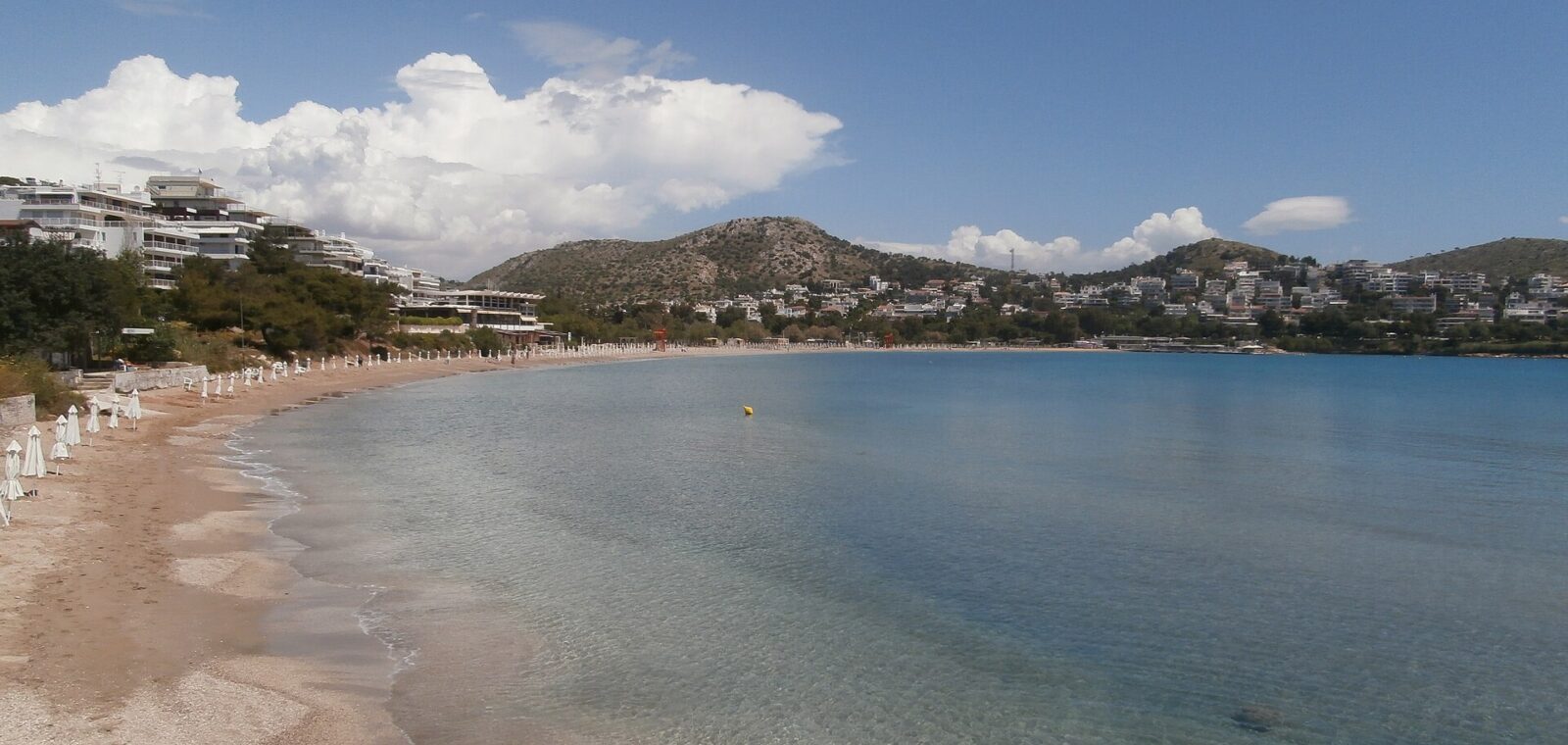
The main beach in Vouliagmeni is a crescent of sand set in a sheltered bay with exceptionally clear water. This is one of the most photographed beaches on the Riviera, and for good reason: the combination of pine trees, turquoise water, and gentle sand makes it feel more like an island beach than a city one. The organized section (Akti Vouliagmenis) charges €10 on weekdays and €15 at weekends and holidays through October 2026, with sunbeds free subject to availability; from 1 November 2026 to 30 April 2027 entry is €5. The western part of the bay has free access areas.
Kavouri Beach
Kavouri is a local favorite — a free, relatively quiet beach on a small peninsula between Voula and Vouliagmeni. The beach is divided between a sandy section and some rocky areas ideal for snorkeling. The pine trees provide natural shade (a rarity on Athens beaches), and the shallow, calm water makes it excellent for families. There’s a small taverna nearby but limited facilities otherwise — bring your own supplies. Kavouri feels authentically Greek and is a great alternative to the more commercial beaches.
Limanakia (Secret Coves)
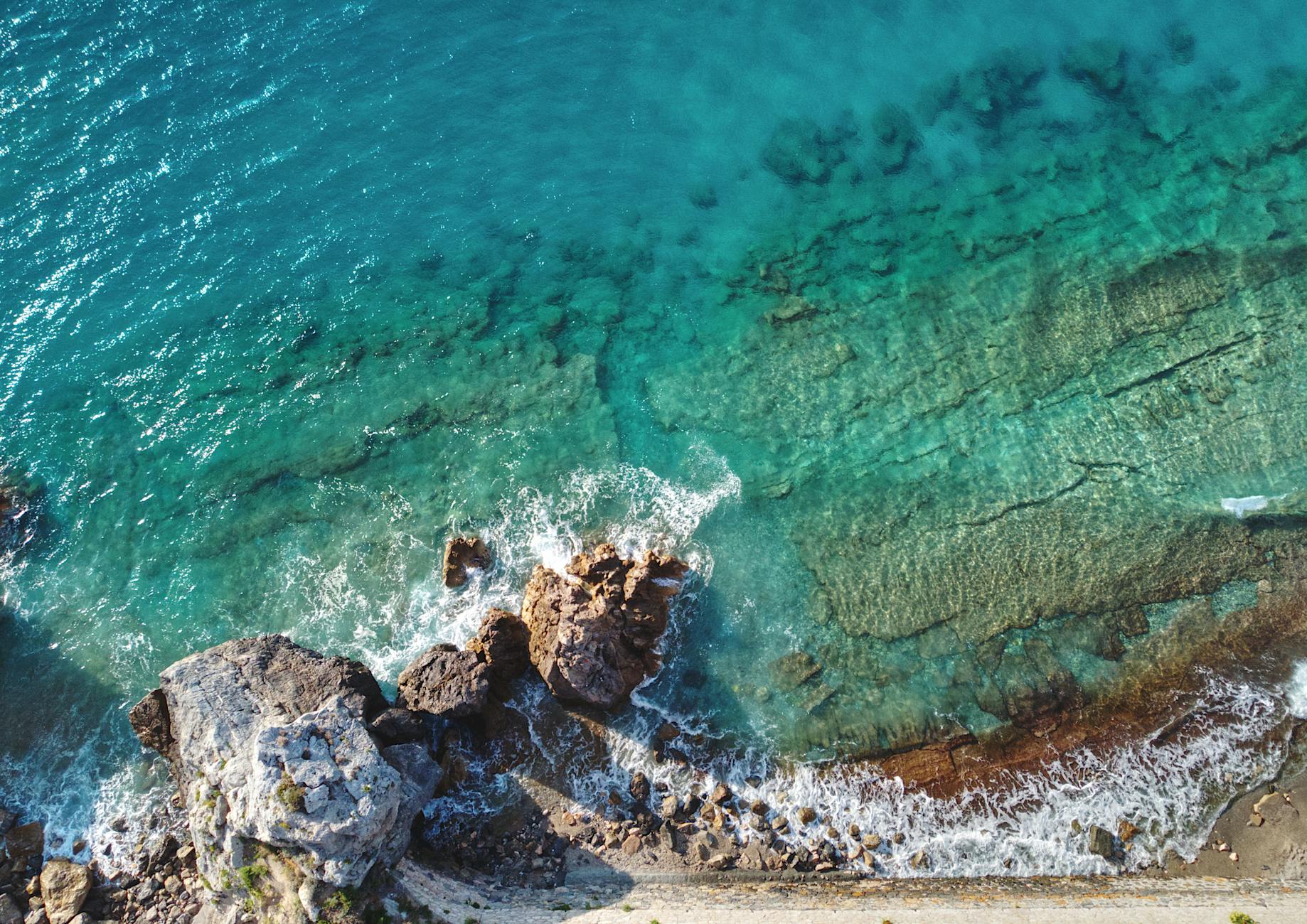
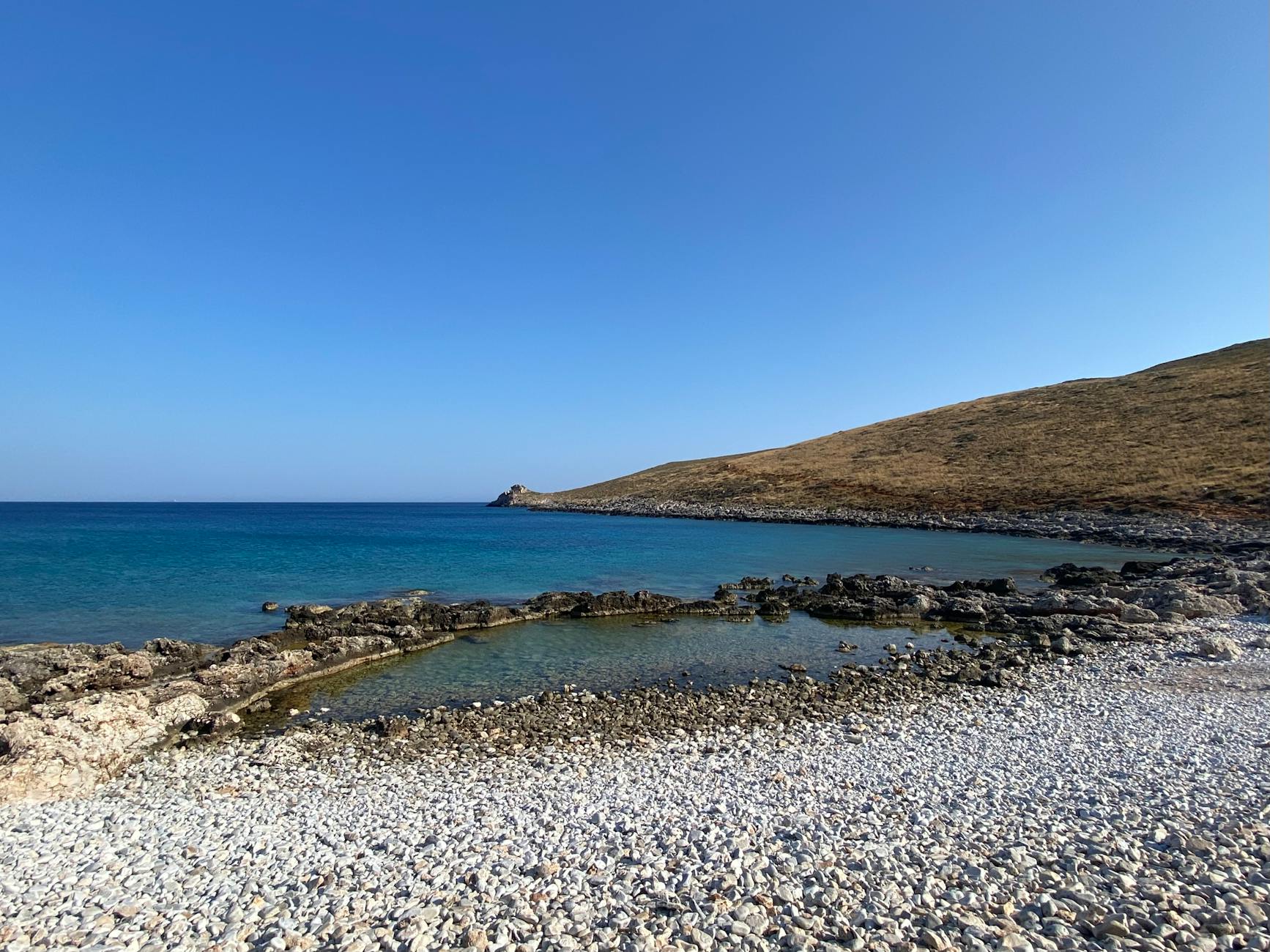
Between Vouliagmeni and Varkiza, a series of small rocky coves known collectively as Limanakia offer some of the clearest water on the entire Riviera. These are completely undeveloped — no sunbeds, no facilities, no entrance fee. You access them by climbing down rocky paths from the coastal road. The swimming is incredible in crystal-clear water above rocky seabeds perfect for snorkeling, but the access can be challenging and there’s no sand. Bring water shoes, snorkeling gear, and a towel. Limanakia is popular with locals, naturists (some coves are clothing-optional), and anyone who prefers wild swimming over organized beaches.
Varkiza and Beyond
Varkiza Beach (Yabanaki)
Varkiza is a large, well-organized beach resort that’s particularly popular with families. The main beach (Yabanaki) offers a wide stretch of sand with full amenities including water sports, a playground, beach volleyball, restaurants, and even a small water park for children. The water is clean and the bay is sheltered, creating calm conditions ideal for young swimmers.
Entrance fees are moderate: €5 per person on weekdays, or €7 from 1 July to 31 August (€10 and €12 at weekends), with sunbed packages available. The beach gets very busy on summer weekends, so weekday visits are recommended. Varkiza also has a free beach section adjacent to the organized area.
Getting there: Bus 122 from Argyroupoli metro station towards Saronida, getting off in Varkiza. Best for: Families with children, full beach day with amenities.
Lagonisi
Southeast of Athens, Lagonisi marks the transition from suburban Riviera to more resort-like coastline. The Grand Resort Lagonissi operates one of the most exclusive beach experiences in the Athens area, but there are also free public beaches in the area with good water quality and fewer crowds than the closer beaches. The drive along the coastal road is scenic, passing through increasingly green and undeveloped landscape.
Saronida and Anavyssos
These two coastal towns southeast of Athens offer good swimming further from the city. The beaches here are sandier, wider, and less crowded than those closer to Athens. Saronida has a lovely sheltered bay with calm, crystal-clear water and a handful of tavernas. Anavyssos has a long sandy beach that’s popular with windsurfers and kitesurfers when the meltemi wind picks up in summer. Both are accessible by KTEL bus from Athens, though having a car makes the trip much easier.
Cape Sounion: Where the Riviera Meets Mythology
The Athens Riviera culminates at Cape Sounion, 70 kilometers southeast of Athens, where the majestic Temple of Poseidon stands on a dramatic cliff above the Aegean Sea. While Cape Sounion is best known as a day trip destination and archaeological site, the beaches in the area are among the finest in Attica.
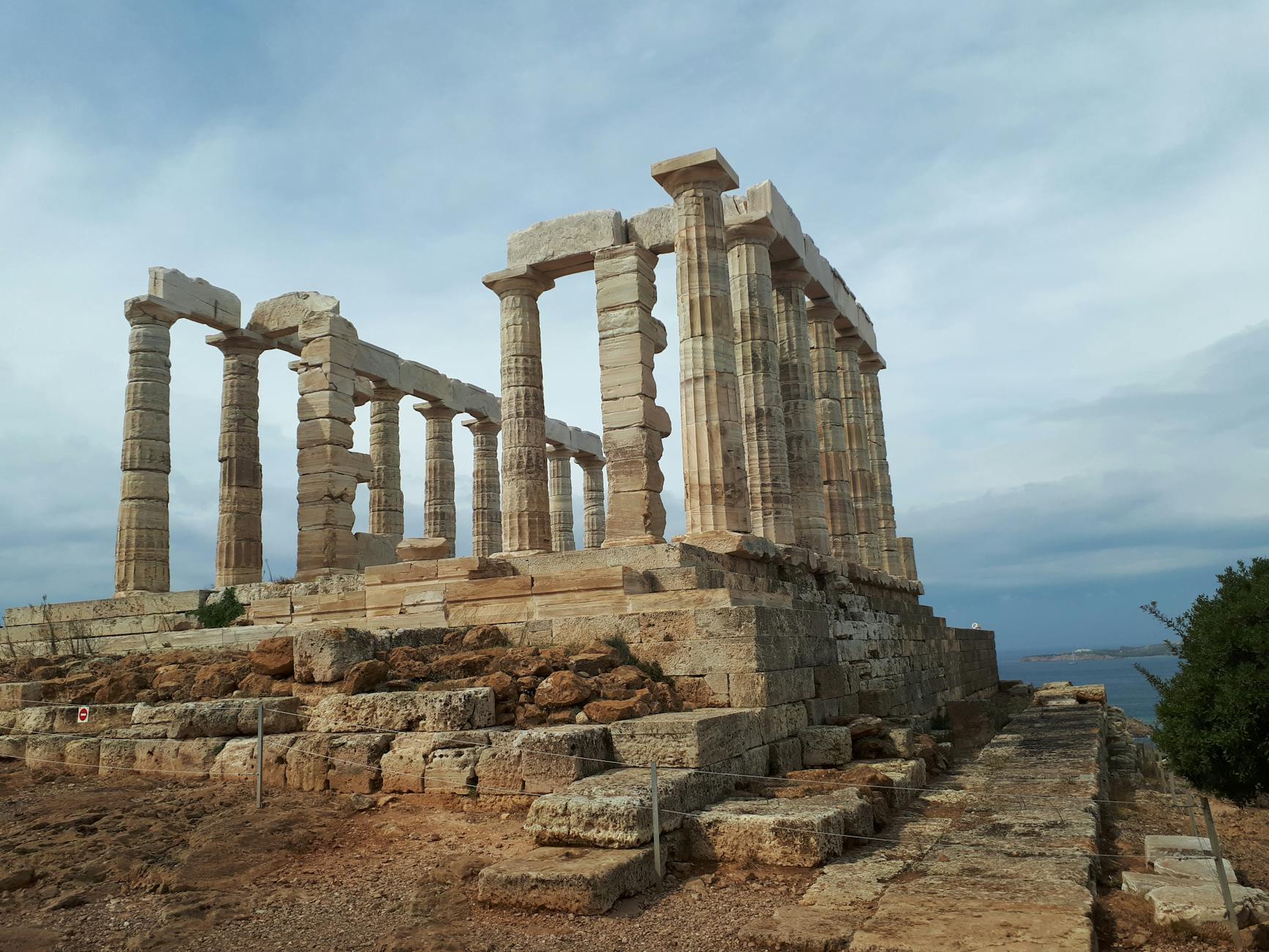
The beaches around Sounion have some of the clearest water in the Athens region. The cove directly below the temple lets you swim with the columns above you. Nearby beaches include the beautiful Legrena beach (sandy, shallow, excellent for families) and several smaller coves accessible by short walks. The KTEL bus runs daily from Athens to Sounion along the coast, making it feasible as a combined beach-and-temple day trip.
Day trip: Guided trip from Athens to the Temple of Poseidon, combined with a swim along the Riviera.
East Coast Beaches: Marathon and Schinias
While the Riviera runs south, Athens also has excellent beaches to the northeast. The Marathon area, northeast of central Athens, offers a completely different beach experience: less developed, more natural, and connected to some of Greece’s most important history.
Schinias Beach
Schinias is widely considered one of the best beaches accessible from Athens. Set within the protected Schinias-Marathon National Park, this long stretch of golden sand is backed by a rare pine forest that gives natural shade. The water is shallow, warm, and crystal clear, comparable to island beaches.
The beach is partially organized (sunbeds and a few beach bars operate in the central section) but large sections remain wild and undeveloped. The wetland area behind the beach is an important bird habitat. Schinias is about an hour’s drive from Athens; public transport options exist but are less convenient than for Riviera beaches.
Best for: A full beach day in a natural setting, nature lovers, those with a rental car.
Water Sports and Activities
The Athens coastline offers far more than just swimming and sunbathing. The Saronic Gulf’s calm, warm waters are ideal for a variety of water sports and activities.
Snorkeling and Diving
The rocky coves around Vouliagmeni and Limanakia offer excellent snorkeling in clear water. You’ll encounter Mediterranean fish species, octopuses, sea urchins, starfish, and colourful reef life. For scuba diving, several dive centres operate along the coast; the city’s official guide puts an introductory dive at about €50 and a first certification course, over three to four days, at about €450. The best diving conditions are from May through November, and the sea is warmest from July to September.
Stand-Up Paddleboarding and Kayaking
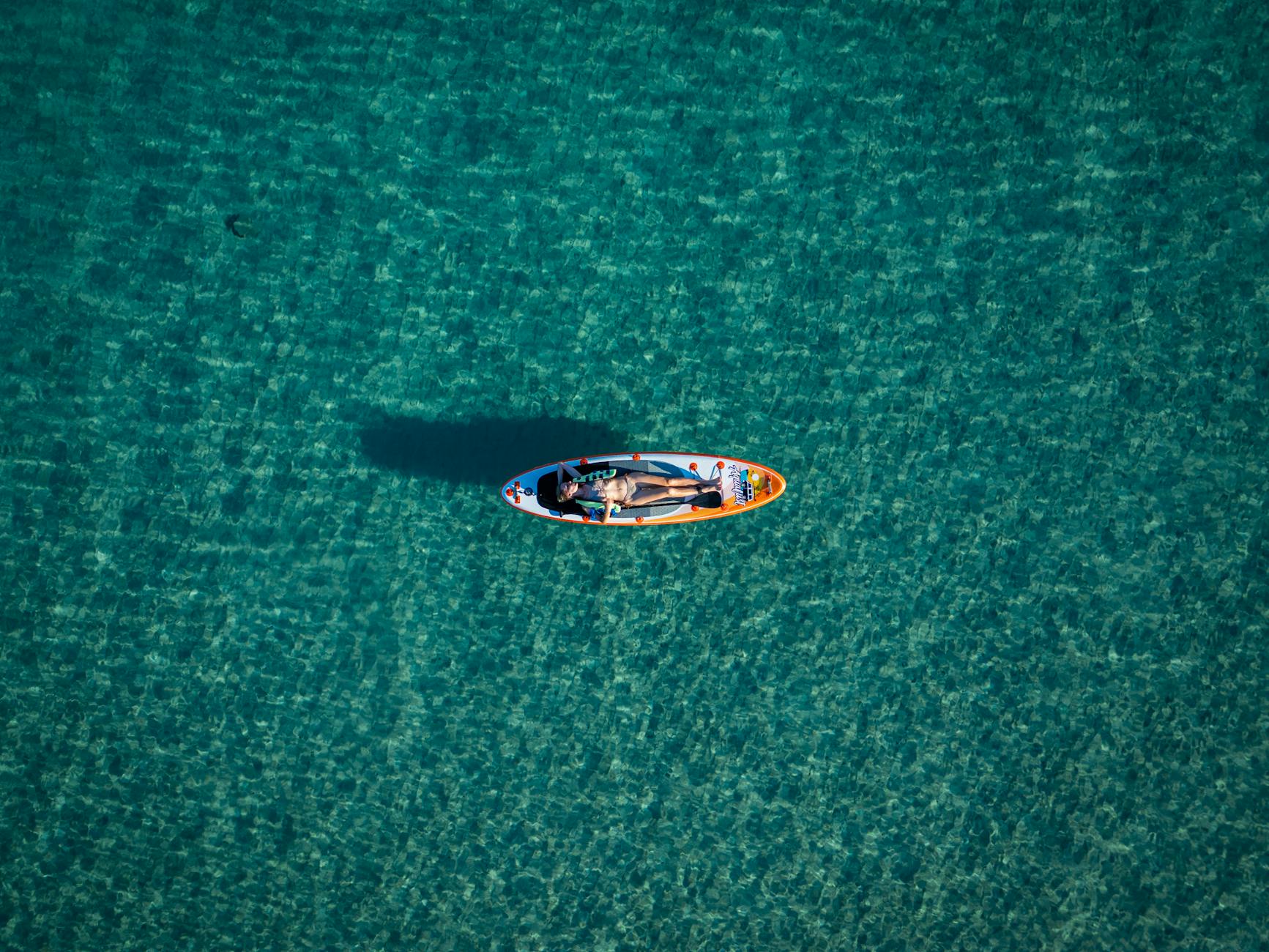
SUP (stand-up paddleboarding) has exploded in popularity along the Riviera, and rental stations are available at most organized beaches, usually priced by the hour. Sea kayaking is another excellent option, particularly for exploring the rocky coastline around Vouliagmeni and the small coves inaccessible by foot. Guided half-day kayaking tours are available from several operators.
Windsurfing and Kitesurfing
The meltemi winds that blow through the Aegean in summer (particularly July and August) create good conditions for wind sports. Anavyssos and Schinias are the most popular spots for windsurfing and kitesurfing near Athens. Equipment rental and lessons are available at both locations. Beginners should try the calmer morning conditions before the afternoon winds pick up.
Sailing and Boat Trips
The Saronic Gulf is one of Greece’s premier sailing areas, and several marinas along the Riviera (Alimos, Glyfada, Vouliagmeni) offer yacht charters, sailing lessons, and day trips to nearby islands like Aegina, Hydra, and Poros. Shared day trips and private charters are priced very differently, so ask the marina operators for current rates. This is an excellent way to combine beach time with island exploration without spending a night away from Athens.
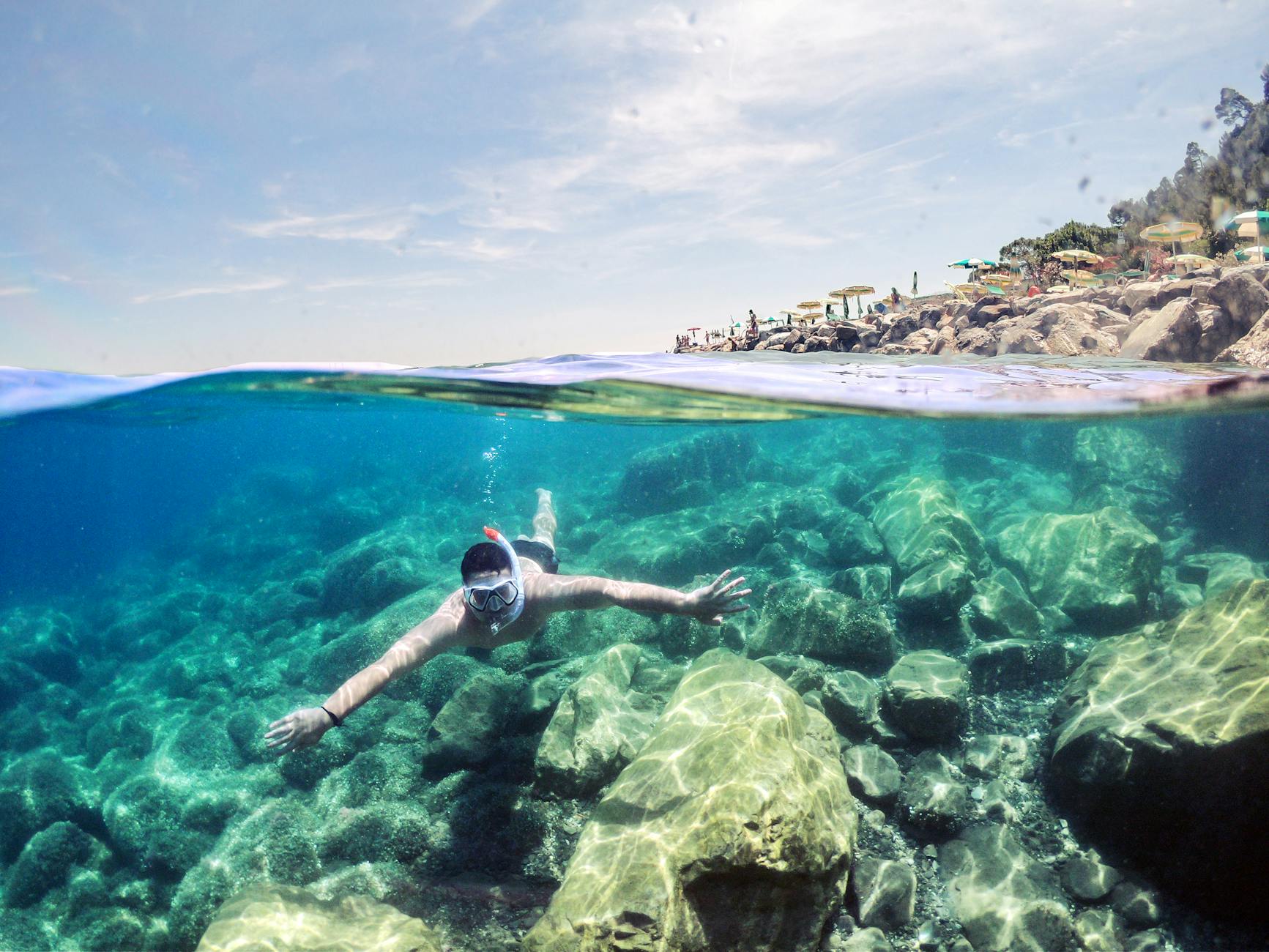
Boat trip: Sunset cruise from Athens with a swim stop, snacks and drinks on board.
Family-Friendly Beaches
If you’re visiting Athens with kids, the Riviera has plenty of excellent family-friendly options. The key features to look for are shallow, calm water with a gradual entry (no sudden drop-offs), sandy rather than rocky shorelines, lifeguards on duty, and good facilities including restrooms and shade.
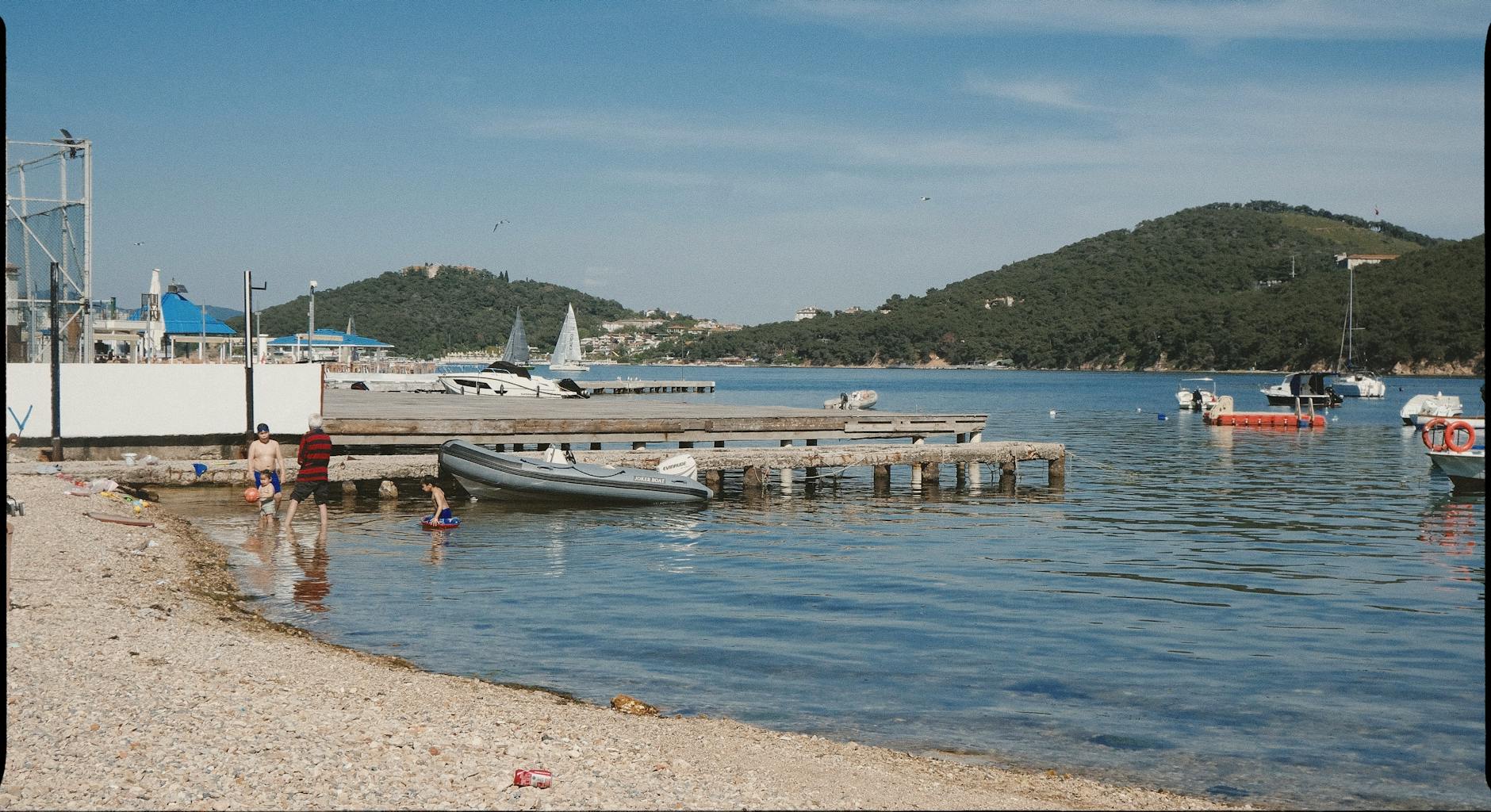
The best family beaches include Varkiza (Yabanaki) with its playground and water park, Voula A with organized facilities and a children’s area, Glyfada for combining beach time with the town’s restaurants and shops, Kavouri for its natural pine shade and shallow water, and Schinias for its gentle sandy entry and forest shade. Some organized beaches offer child concessions: Akti tou Iliou in Alimos admits children under five free and charges reduced admission for ages five to twelve, so check each beach’s rates before you go.
Beachside Dining
One of the great pleasures of the Athens Riviera is the beachside dining. Fresh seafood tavernas line the coast, serving the morning’s catch alongside Greek salads, chilled local wine, and views of the sparkling Saronic Gulf. The combination of swimming and eating is central to the Greek beach experience — you’ll see families setting up for the day with coolers full of homemade food, while taverna tables extend practically onto the sand.
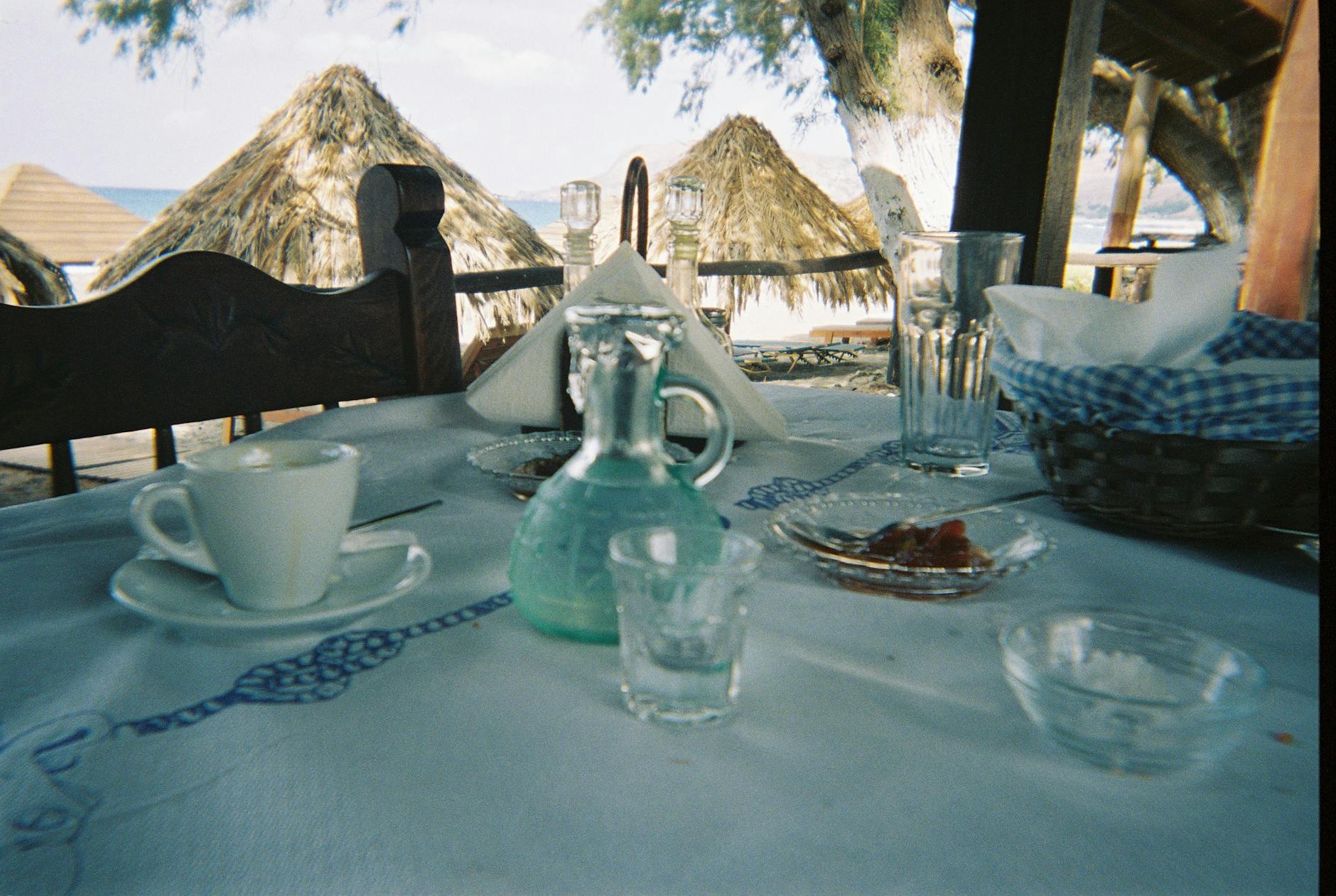
Vouliagmeni pairs its swimming with seaside dining, and Ithaki and Lambros are both renowned for exceptional seafood. In Glyfada, the waterfront strip has everything from casual souvlaki to upscale dining. Varkiza has several excellent family-run fish tavernas where you pick your fish from the display and it’s grilled to order. And in Anavyssos, the harborside tavernas offer some of the best-value seafood on the entire coast. For more on the Athens food scene, see our comprehensive dining guide.
How to Get to Athens Beaches
One of the best things about the Athens Riviera is how accessible it is. You don’t need a car (though having one opens up more options, particularly for beaches beyond Varkiza). Here’s a complete transport guide for reaching the beaches.
By Tram
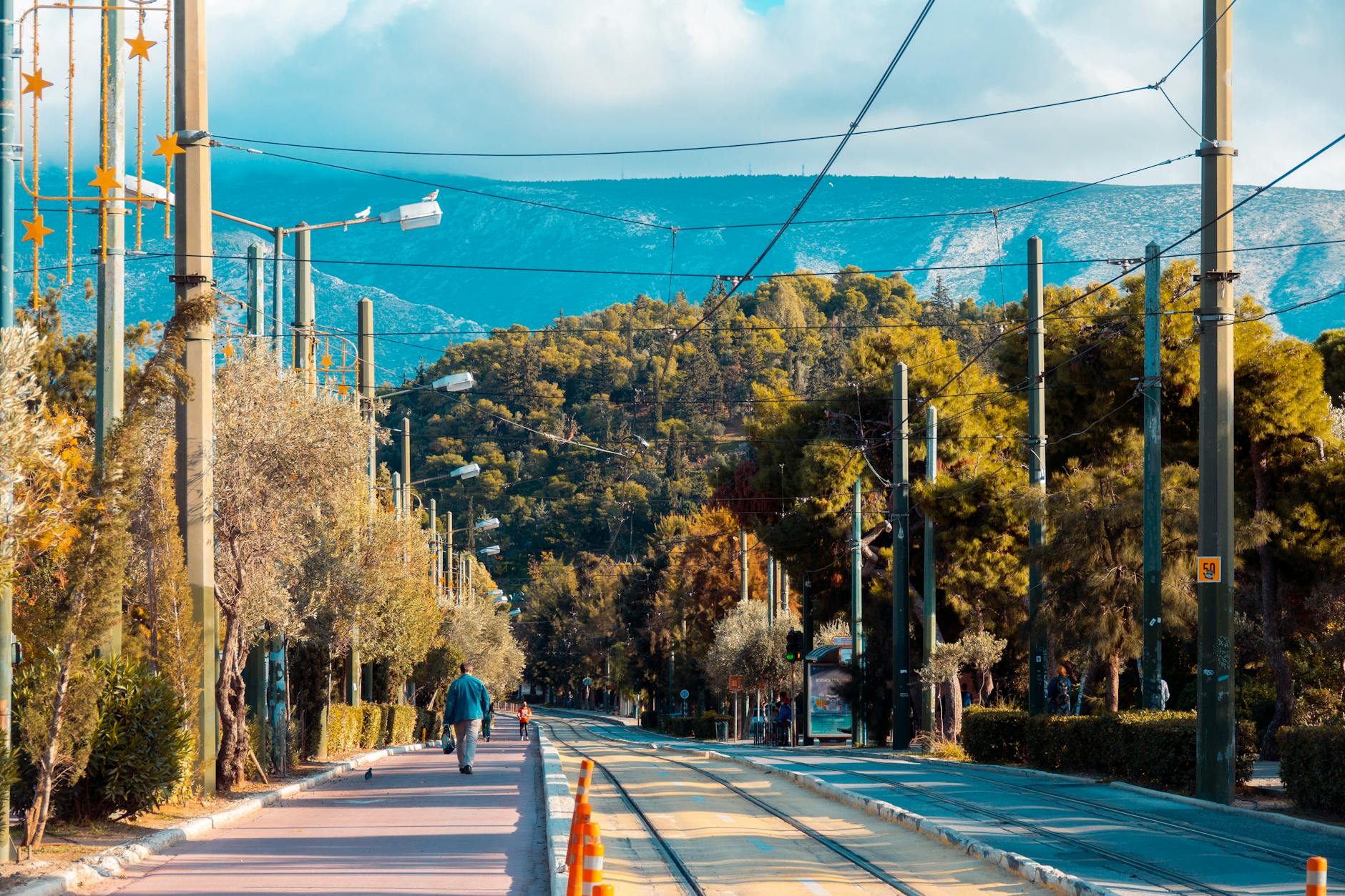
The Athens tram is the most scenic way to reach the near-Riviera beaches. Line T6 connects Syntagma Square to Faliro (Pikrodafni station), while Line T7 runs along the coast from Voula (Asklipiio Voulas station) to Piraeus. The city’s official beaches guide allows 45 to 55 minutes by tram from Syntagma to Asteras Glyfada. First and last departures vary by stop and direction; services run later on Fridays, and T6 and T7 run all night on Saturdays. A standard €1.20 ticket is valid for 90 minutes from first validation, though not on the airport express buses, the X80 or the Koropi-Airport metro section.
By Bus
Buses extend the reach beyond the tram line. The most useful route is Bus 122, which runs from Argyroupoli metro station along the coast through Vouliagmeni and Varkiza to Saronida. For Cape Sounion, the KTEL Attikis coastal bus leaves from Aigyptou Square at Pedion Areos and follows the coastal road (one of the most scenic bus rides in Greece). Bus schedules are available on the OASA website and the Google Maps transit feature works reliably for Athens public transport.
By Car or Taxi
Driving is the most flexible option, particularly for reaching beaches beyond Varkiza. The coastal road (Poseidonos Avenue) runs the length of the Riviera and is generally straightforward, though it can be extremely congested on summer weekends, particularly Friday evenings and Sunday returns. Parking is free at most public beaches but limited at popular spots. Taxis run on the meter, and the FREENOW app (formerly Beat) books licensed taxis.
What to Bring to the Beach
Athens beaches are generally well-equipped, but packing smart will make your day significantly more comfortable. Sunscreen is essential — SPF 50+ recommended from June through September, as the Greek sun is intense. A hat and sunglasses are non-negotiable. Water shoes are useful for rocky beaches like Limanakia. Bring a snorkeling mask if you plan to explore the underwater world (much cheaper than renting). A large towel doubles as a beach mat at free beaches. A refillable water bottle saves money. And cash — while many beach bars accept cards, kiosks and small vendors often don’t.
If you’re heading to a free beach, bring everything you need: an umbrella, towels, water, snacks, and entertainment. If you’re heading to an organized beach, your entrance fee covers the basics, but you’ll still want your own sunscreen, snorkeling gear, and a cover-up for the walk to and from the beach.
Best Beaches by Category
To help you choose the perfect beach for your visit, here’s a quick reference guide organized by what you’re looking for.
Best for families: Varkiza (Yabanaki), Voula A, Glyfada, Kavouri. Best for couples: Lake Vouliagmeni, Vouliagmeni Beach, Limanakia coves. Best water quality: Limanakia, Vouliagmeni, Cape Sounion area, Schinias. Best on a budget: Kavouri (free), Glyfada public beach (free), Edem (free). Best for water sports: Anavyssos (windsurfing), Varkiza (organized water sports), Vouliagmeni (SUP and kayaking). Most Instagram-worthy: Lake Vouliagmeni, Cape Sounion, Limanakia coves. Easiest to reach: Edem (about half an hour on the T6 tram; allow up to an hour door to door), Akti tou Iliou in Alimos (about 40 minutes from Syntagma by public transport), Glyfada.
Beach Etiquette and Local Customs
Understanding a few local customs will help you fit in and avoid awkward situations on Athens beaches. Greeks are generally relaxed about beach etiquette, but there are some unwritten rules worth knowing.
Topless sunbathing is technically illegal but widely practiced and tolerated at most beaches, particularly at less organized spots and at Limanakia. Full nudity is only acceptable at designated areas — some Limanakia coves are informally clothing-optional. Smoking is common on Greek beaches despite regulations; if you’re bothered by it, organized beach clubs with designated areas are your best option.
Music — playing music from Bluetooth speakers is generally acceptable but keep the volume reasonable. At organized beaches, the venue’s own music takes priority. Reserving spots with towels early in the morning and then leaving for hours is considered poor form, particularly at busy free beaches. Sea urchins are present on rocky shorelines — water shoes are highly recommended when entering the water at non-sandy beaches. If you step on one, vinegar helps dissolve the spines.
Greeks also follow a particular beach rhythm that’s worth adopting. Mornings are cooler, and the sun is gentler. Many locals avoid the beach during the peak afternoon sun (1–4 PM), returning for a late afternoon swim and sunset drinks. This siesta-style approach to beach-going means the beaches often have two peak periods: late morning and late afternoon.
Beach Safety
Athens beaches are generally very safe, but a few precautions are worth noting. The Greek sun is intense from June through September — sunburn can happen quickly, even on overcast days. Reapply high-SPF sunscreen every two hours, especially after swimming. Dehydration is a real risk; drink plenty of water throughout the day, and avoid excessive alcohol in the heat.
In the water, watch for sea urchins on rocky shorelines, jellyfish, and currents at some unprotected beaches, keep an eye on children, and never dive into water whose depth you don’t know. Many organized beaches use a flag system: follow local warnings, and take extra care where there are no lifeguards, flags or signs. At unguarded beaches, swim with others and be aware of your limits. The Saronic Gulf is generally calm, but afternoon winds can create choppy conditions, particularly in July and August.
Theft at beaches is uncommon but not unheard of — don’t leave valuables unattended. Many organized beaches offer lockers; at free beaches, take turns watching belongings if you’re in a group. A waterproof phone pouch lets you keep your phone with you while swimming.
Luxury Beach Clubs
For those looking for a premium beach experience, the Athens Riviera has several high-end beach clubs that rival anything on Mykonos or Ibiza. These venues combine pristine beach settings with resort-level service, gourmet dining, and curated music programs.
Astir Beach (Vouliagmeni) — Set on the exclusive Laimos peninsula, Astir Beach is perhaps the most prestigious beach in Athens. Its stretch of coastline offers crystal-clear water, impeccable service, and a celebrity-studded clientele. Admission and sunbed prices change with the season and the day, so check them with the beach before you go. The on-site restaurant serves excellent Mediterranean cuisine.
Balux Café (Glyfada) — A beach club, restaurant, and event venue that transforms from a daytime beach hangout to a nighttime party destination. The setting is beautiful, with sunbeds on the sand and a pool area. Popular with young Athenians and summer visitors. Weekend reservations are essential.
Island Club and Restaurant (Varkiza) — A sophisticated beach-club-meets-fine-dining concept with stunning architecture and panoramic sea views. The food is upscale Mediterranean, the cocktails are creative, and the setting is Instagram-ready. Prices reflect the premium positioning, but the experience is memorable.
Sunset Spots on the Riviera
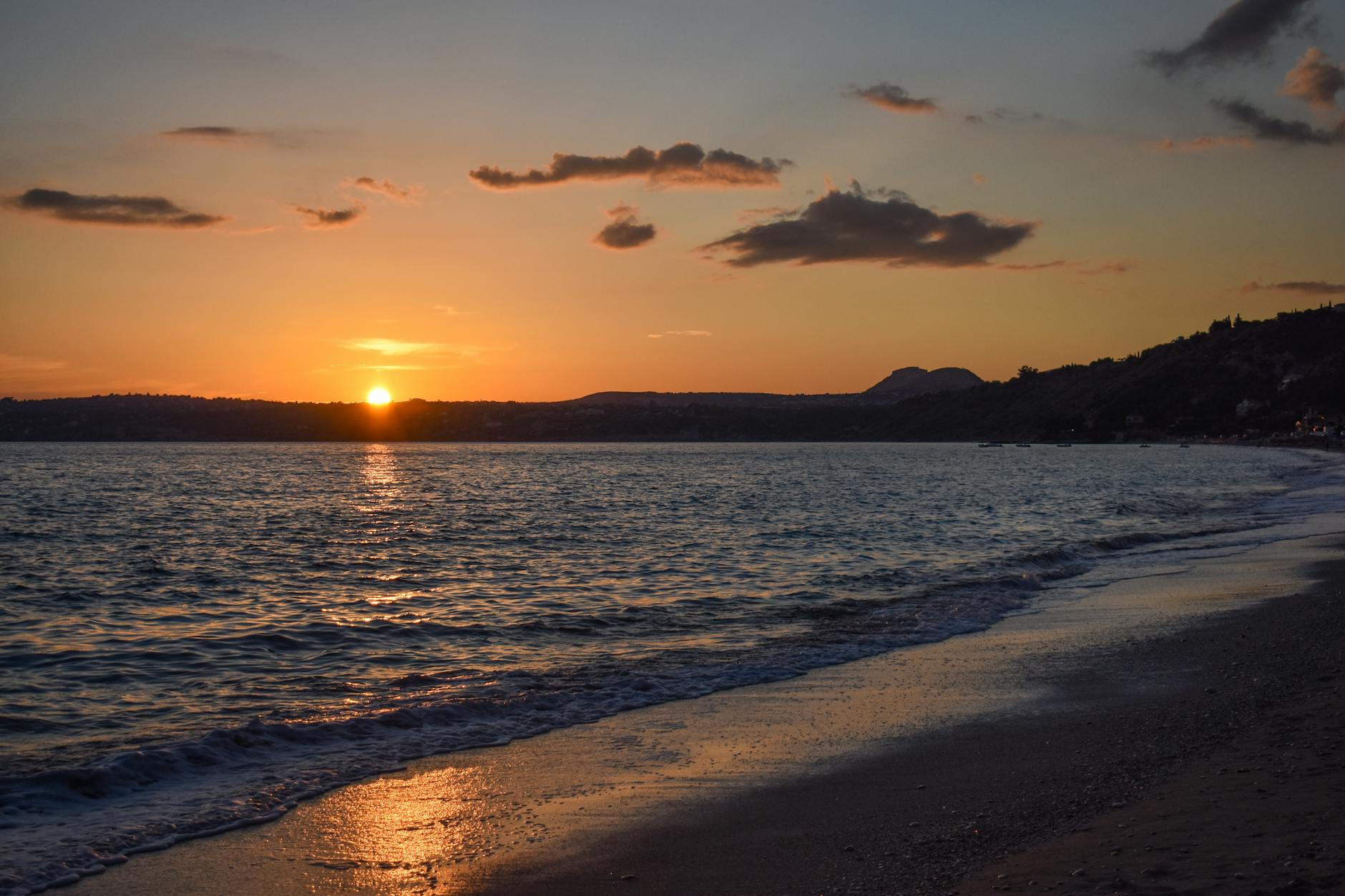
The Athens Riviera faces west across the Saronic Gulf, which means you get spectacular sunsets directly over the water from almost every beach. The best sunset-watching spots are the Temple of Poseidon at Cape Sounion (arguably the most dramatic sunset viewpoint in all of Greece), the beach bars of Glyfada, the Vouliagmeni waterfront, and the open stretches of coastline around Saronida. Many beach bars and restaurants offer sunset happy hours, and watching the sun sink into the Aegean with a cocktail in hand is one of the quintessential Athens summer experiences.
Month-by-Month Beach Guide
Knowing what to expect each month helps you plan the best beach days during your Athens visit.
May: The swimming season begins. Beaches are uncrowded and the weather is warm but not hot. Perfect for those who like swimming without the summer crowds, though the water may feel brisk for some.
June: Ideal beach conditions. The water is warm and air temperatures sit around 30°C. This is arguably the best month for beach visits — long days, warm water, and everything is open but not overwhelmed.
July–August: Peak season. The sea is at its warmest, at about 25°C, and beaches are busy, especially on weekends. The meltemi wind can create choppy conditions on some days, but it also provides welcome relief from the heat; average daytime highs on the coast at Ellinikon are about 32°C in both months. Weekday visits are strongly recommended. August 15 (Assumption of Mary) is a major holiday, so book ahead if you plan to use an organized beach that day.
September: Many consider this the best swimming month. The water is still warm, at up to about 25°C, the summer crowds thin out after schools resume, and the weather remains hot and sunny. Diving and snorkeling conditions are at their peak. Beach bars and organized beaches are still fully operational.
October: Swimming often carries on into October. The weather can be unpredictable: some days are summer-like, others bring autumn rain. Many organized beaches close or reduce hours after mid-October, but free beaches and Lake Vouliagmeni remain accessible year-round.
Planning Your Beach Day
A few practical tips will help you make the most of your time on the Athens Riviera. Avoid weekends in July and August if possible — the beaches are significantly more crowded and parking becomes very difficult. If you must go on a weekend, arrive before 10 AM to secure a good spot. Weekdays are always more relaxed, and early June or September offer the best combination of warm water, sunny weather, and manageable crowds.
Consider combining a beach visit with other Athens activities. A morning at the Acropolis followed by an afternoon at Vouliagmeni is a perfectly paced day. A day trip to Cape Sounion combines beach time with one of Greece’s most impressive archaeological sites. And a sunset at a Riviera beach bar is the perfect prelude to a night out in one of Athens’ vibrant nightlife neighborhoods.
The Athens Riviera is one of the city’s best-kept secrets from the international tourist perspective. While visitors flock to Santorini and Mykonos for beach time, those in the know understand that you can have a world-class beach day without ever leaving the metropolitan area. The combination of ancient culture, urban energy, and stunning coastline is what makes Athens unlike any other capital in Europe — and spending a day on the Riviera is the perfect way to experience all three.
Complete Guides to the Athens Coast
Beach-by-beach detail along the Athenian Riviera and beyond:
- Athens Riviera Hotels & Resorts: Complete Guide (2026)
- Cape Sounion Beaches: Coastal Swimming Guide (2026)
Photo Credits
- Vouliagmeni beach: Vouliagmeni beach by C messier, CC0, via Wikimedia Commons.
- Lake Vouliagmeni: Limni Vouliagmenis kalokairi by Mmss60, Public domain, via Wikimedia Commons.