This article contains advertising. Some of the hotel, tour, activity, flight and transfer links in it are paid links: if you book through one, we get a commission from the booking company, and your price is the same either way. It never affects what we recommend. Affiliate disclosure
Introduction
Athens, the cradle of Western civilization, stands as one of the world’s most captivating destinations for travelers seeking to connect with ancient history, vibrant culture, and Mediterranean beauty. This sprawling capital city of Greece has been continuously inhabited for over 3,000 years, serving as the birthplace of democracy, philosophy, and countless architectural marvels that have shaped human civilization. From the magnificent Acropolis dominating the skyline to the charming alleyways of Plaka, Athens seamlessly blends its storied past with a dynamic, modern present.
Whether you’re a history buff eager to walk in the footsteps of Socrates and Plato, a food enthusiast ready to explore authentic Greek cuisine, a beach lover seeking sunny Mediterranean shores, or a culture seeker interested in world-class museums and vibrant neighborhoods, Athens delivers unforgettable experiences. With over 2,000 years of monuments, cutting-edge museums, trendy rooftop bars, pristine beaches just outside the city, and some of the most welcoming people in Europe, Athens truly offers something for every traveler.
In this comprehensive guide, we’ll explore the best things to do in Athens Greece—from must-see archaeological sites and neighborhood explorations to hidden gems, practical tips, and day trip options. Whether you’re planning a weekend escape or a two-week adventure, this guide will help you make the most of your Athens experience.
Ancient Monuments & Archaeological Sites
No visit to Athens is complete without exploring its extraordinary collection of ancient monuments. These UNESCO World Heritage sites stand as testaments to the ingenuity and artistic brilliance of ancient Greek civilization, and many remain virtually unchanged after millennia.
The Acropolis & Parthenon
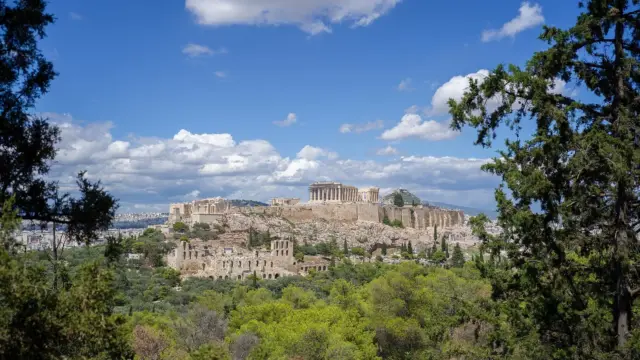
The Acropolis is undoubtedly Athens’ most iconic landmark and should be your first priority. Perched 150 meters above the city on a rocky plateau, this ancient citadel is home to the Parthenon, arguably the finest example of Classical Greek architecture ever built. Commissioned by Pericles around 447 BCE, the Parthenon was dedicated to Athena Parthenos and originally housed a massive gold and ivory statue by the sculptor Phidias.
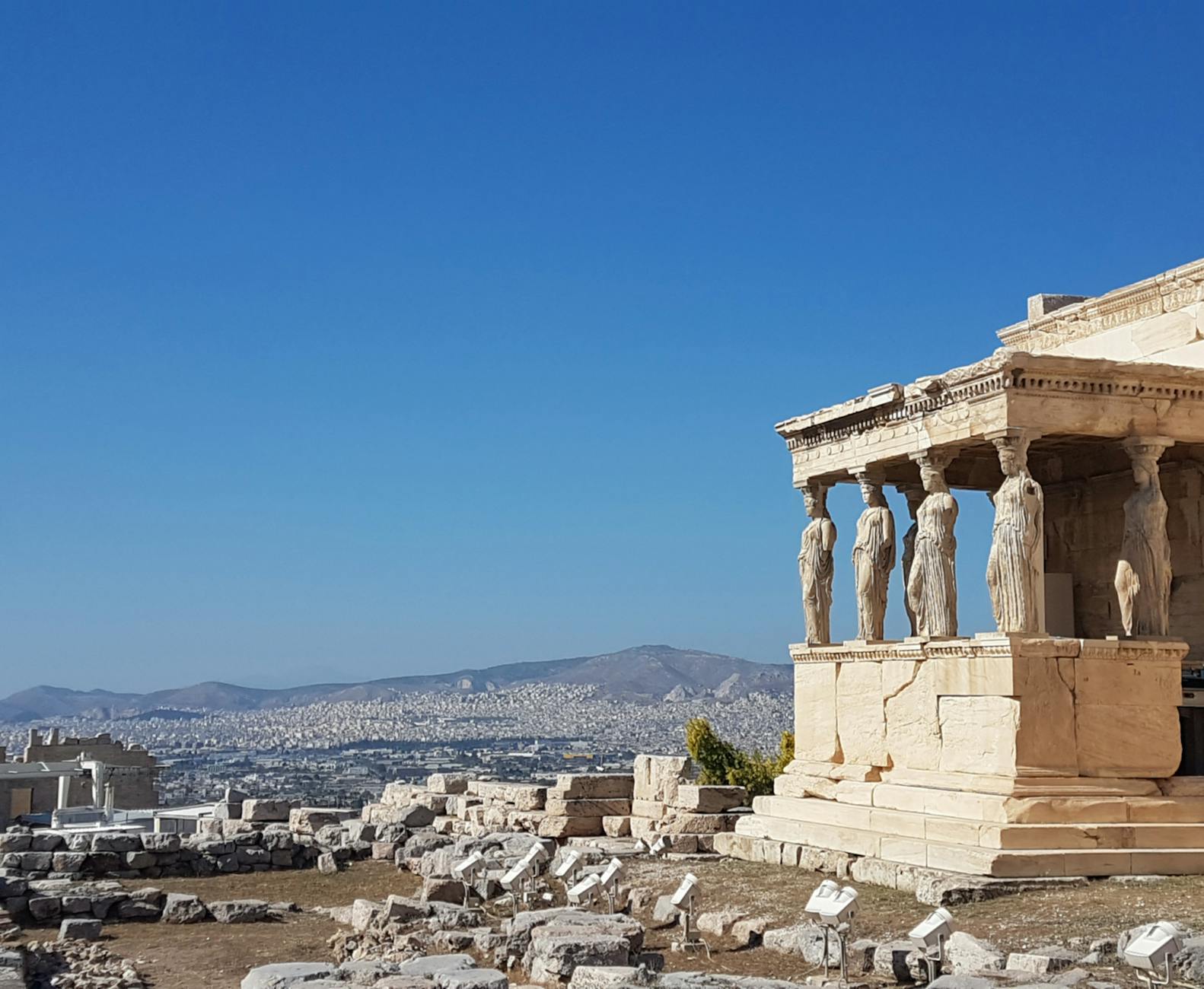
Beyond the Parthenon, the Acropolis complex includes the Propylaea (the ceremonial gateway), the Temple of Athena Nike, and the Erechtheion, which famously features the Porch of the Caryatids—sculpted female figures that serve as supporting columns. The views from the Acropolis over Athens and toward the Saronic Gulf are breathtaking, particularly at sunset.
Practical Information: The Acropolis is open daily from 8 AM to sunset (hours vary by season). Entry costs €30 (reduced €15); the other archaeological sites each sell their own tickets, since the old 5-day combo ticket was withdrawn in 2025. Audio guides are available for €7. Allow 2-3 hours minimum. Arrive early (before 9 AM) to beat crowds, bring water and sun protection, and wear comfortable shoes as the terrain is uneven. The nearest metro stations are Acropoli and Monastiraki.
Guided tours: Small-group guided tours of the Acropolis and the Parthenon.
The Ancient Agora
The Ancient Agora was the heart of democratic Athens, serving as the social, political, and commercial center of the ancient city. This sprawling archaeological site is remarkably atmospheric, with olive and citrus trees scattered among ruins, creating a peaceful atmosphere that contrasts sharply with the bustling modern city just beyond its boundaries.
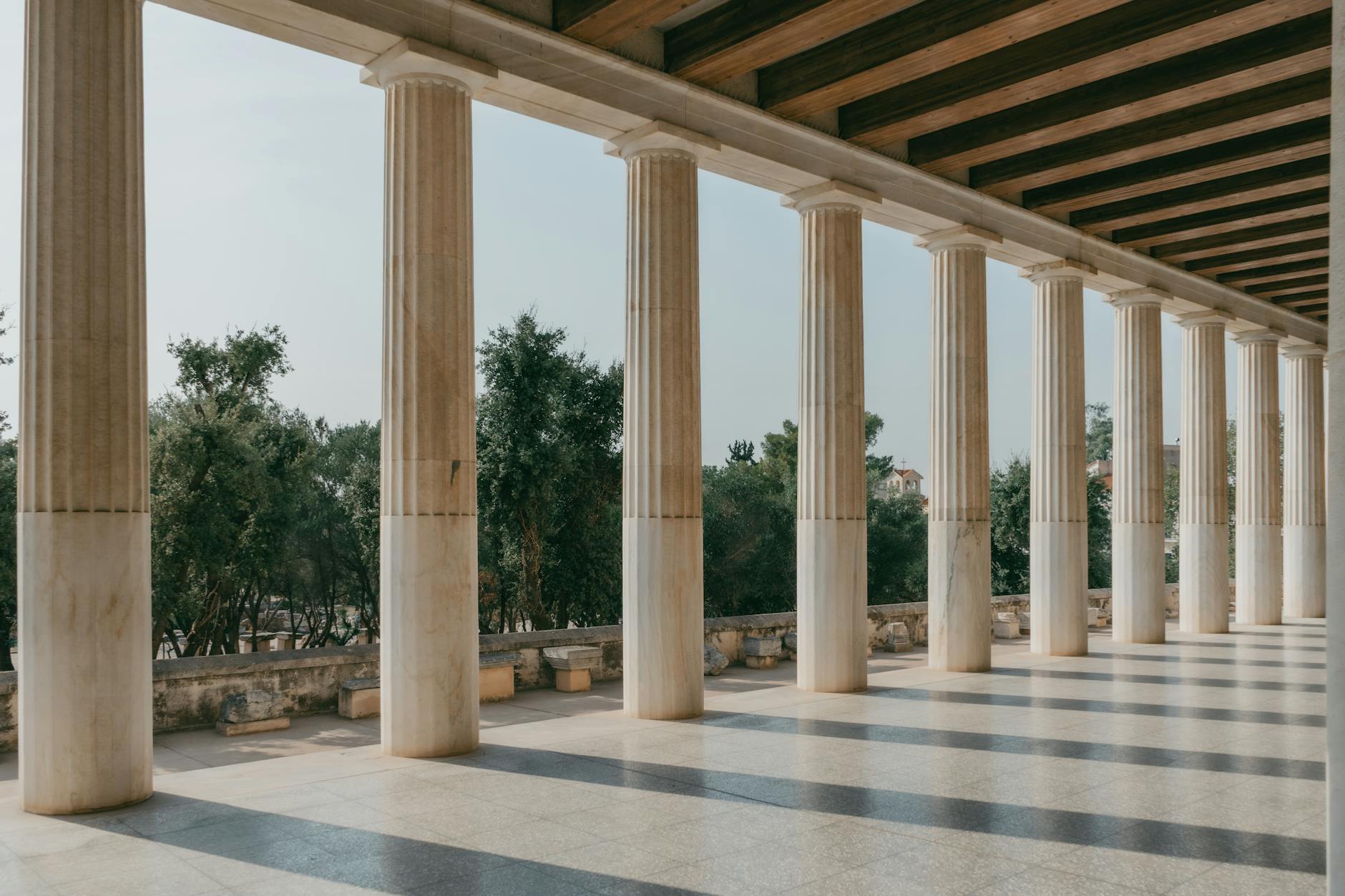
The Agora’s most prominent structure is the Temple of Hephaestus, one of the best-preserved ancient Greek temples with its Doric columns still standing majestically. The site also features remains of the Stoa of Attalos, a reconstructed covered walkway that now houses a museum with finds from the Agora, and the Church of the Holy Apostles, a Byzantine structure built in the 10th century AD.
Practical Information: €20 admission. Open 8 AM to sunset daily. Allow 1.5 hours. The site is less crowded than the Acropolis, making it ideal for a more contemplative experience. Guided tours are recommended to fully appreciate the historical significance of each structure.
Temple of Olympian Zeus
The colossal Temple of Olympian Zeus is one of the largest temples in the ancient world, built to honor the king of the gods. Though now partially ruined, the remaining 15 Corinthian columns are impressive in their sheer scale and elegance. Construction began in the 6th century BCE but wasn’t completed until 131 CE under the Roman Emperor Hadrian, who himself is honored with a nearby arch.
Standing among these monumental columns evokes a powerful sense of the engineering capabilities of ancient civilizations. The temple once housed a colossal gold and ivory statue of Zeus, and its footprint covers 41,000 square meters—testament to the ambitions of ancient Athens.
Practical Information: €20 admission. Open 8 AM to sunset. Best visited in early morning or late afternoon when lighting is optimal for photography. Located just south of the Acropolis near the Zappeion Gardens.
Roman Agora & Hadrian’s Library
The Roman Agora marks the transition from Greek to Roman cultural influence in Athens. Built in the 1st century BCE, it served as a marketplace during the Roman period. The most distinctive feature is the Tower of the Winds (Horologion), an octagonal marble tower dating to the 1st century BCE that served as a water clock and weather vane, and is one of the oldest examples of scientific technology preserved.
Hadrian’s Library, just north of the Roman Agora, was built in 132 CE and features 100 columns around a central courtyard. This monumental structure showcased the wealth and cultural aspirations of the Roman empire under Hadrian. The library represents a sophisticated understanding of Roman architecture, with its substantial remains still impressively visible.
Practical Information: €10 admission for each site. Open 8 AM to sunset. Allow 45 minutes to 1 hour for both sites. These are less frequently visited than the main Acropolis, allowing for a more intimate archaeological experience.
Kerameikos
Kerameikos, named after the ancient potters who worked in the area, is one of Athens’ most important ancient sites yet remains relatively unknown to casual tourists. This was the burial ground of ancient Athens, where the wealthy and honored citizens were buried. The Sacred Way, the route ancient pilgrims took to Eleusis, passes through Kerameikos.
The site features numerous ancient tombs, monuments, and the Dipylon Gate, once the main entrance to the ancient city. A modern museum on the site houses fascinating artifacts, including sculptures, funeral monuments, and pottery from the Geometric, Archaic, Classical, and Hellenistic periods.
Practical Information: €10 admission. Open 8 AM to sunset. Allow 1.5-2 hours. Excellent for those seeking to escape the crowds while still experiencing significant ancient ruins. This site requires more time investment but rewards visitors with genuine archaeological atmosphere.
World-Class Museums
Athens houses some of the world’s finest museums, with collections spanning from prehistoric civilizations to modern art. These institutions offer invaluable context for understanding the ancient monuments scattered throughout the city.
The Acropolis Museum
Opened in 2009, the Acropolis Museum is a modern architectural triumph that perfectly complements the ancient sites it documents. Located on the south slope of the Acropolis, this museum houses the world’s most comprehensive collection of ancient Greek artifacts, with over 14,000 items. The museum is built partially over an active archaeological excavation site, visible through the glass floor, creating a unique experience where past and present intersect.
The museum is organized chronologically across three levels, beginning with archaic statues and leading up to classical masterpieces. The Parthenon Gallery on the top floor is particularly spectacular, with a glass-enclosed space that mirrors the Parthenon itself while displaying the surviving sculptural fragments, offering an entirely new perspective on these iconic artworks.
Practical Information: €20 admission (€10 reduced). Open 9 AM to 8 PM (until 10 PM Fridays). Allow 2-3 hours minimum. The museum has an excellent café with views of the Acropolis. Allow extra time if you want to appreciate the collection thoroughly. Audio guides and English signage are comprehensive.
National Archaeological Museum
The National Archaeological Museum is one of the world’s oldest museums and houses the most extensive collection of ancient Greek artifacts outside the Acropolis Museum. With over 20,000 items ranging from Neolithic pottery to Greco-Roman sculptures, this museum offers a chronological journey through Greek civilization spanning 5,000 years.
Highlights include the Mask of Agamemnon, a 16th-century BCE gold artifact that once was believed to be the death mask of the legendary king, though it’s now known to predate the Trojan War by several centuries. The Bronze Age collection is particularly impressive, with the Antikythera mechanism, an ancient analog computer used to predict astronomical positions.
Practical Information: €20 admission. Open Tuesday-Sunday 8:30 AM to 8 PM, Mondays 1 PM to 8 PM. Allow 2-3 hours for a comprehensive visit. Located in the Exarchia district, about 1 km north of Syntagma Square. Audio guides available.
Benaki Museum & Cycladic Art Museum
The Benaki Museum offers a broader view of Greek culture from ancient times through the modern era, including Byzantine, Ottoman, and contemporary periods. It’s an excellent complement to the antiquity-focused museums, providing context for how Greek culture evolved over millennia.
The Cycladic Art Museum specializes in ancient Cycladic figurines and artworks from the Aegean islands. These minimalist marble female forms, dating to 3000-2000 BCE, exert a profound influence on modern art and are strikingly beautiful in their simplicity.
Practical Information: €12 each (often bundled discounts available). Both located in the Kolonaki neighborhood. Combined, they require about 3 hours. These museums offer respite from the crowds and provide excellent context for understanding Greek artistic traditions.
Iconic Neighborhoods to Explore
Beyond monuments and museums, Athens’ distinctive neighborhoods each offer unique character, architecture, street food, and local culture. Wandering these areas provides insights into authentic Athenian life impossible to gain from tourist-focused venues.
Plaka
Plaka is Athens’ oldest neighborhood and the most atmospheric district in the city. Nestled directly beneath the Acropolis, this area is characterized by narrow, winding cobblestone streets, neoclassical mansions, small tavernas with outdoor seating, and bougainvillea cascading from windows and balconies. During the day, Plaka feels manageable; at night, it transforms into a romantic labyrinth of narrow alleys lit by warm lamplight.
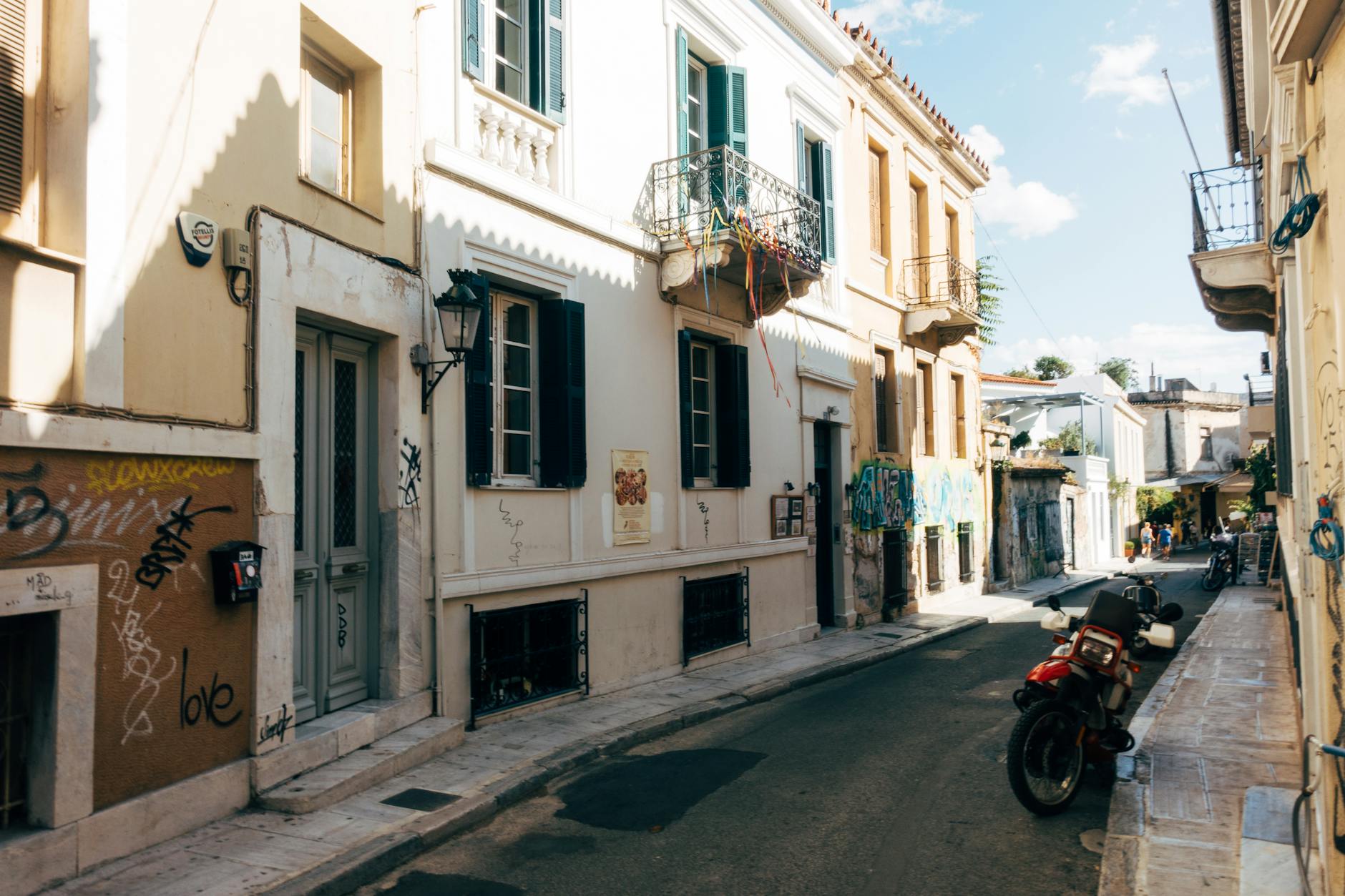
The neighborhood is home to numerous archaeological museums, art galleries, craft shops, and tavernas serving traditional Greek cuisine. Hadrian Street is the main commercial thoroughfare, while smaller streets like Stratonos and Panos offer more intimate discoveries. The neighborhood includes the Museum of the City of Athens and several important historical monuments.
Practical Information: Best explored on foot with no specific itinerary. Plan for 2-3 hours of casual wandering. Visit in early evening (5-7 PM) to avoid midday crowds and enjoy the neighborhood’s best atmospheric quality. Tavernas here are generally tourist-oriented with slightly higher prices, but atmospheric experience justifies costs.
Monastiraki
Monastiraki is named after its central square and small Byzantine monastery. This bustling neighborhood transitions between Plaka and the commercial districts of central Athens. The neighborhood is famous for its Sunday flea market (Varvakios), which offers vintage goods, antiques, artwork, and tourist trinkets spread across surrounding streets.
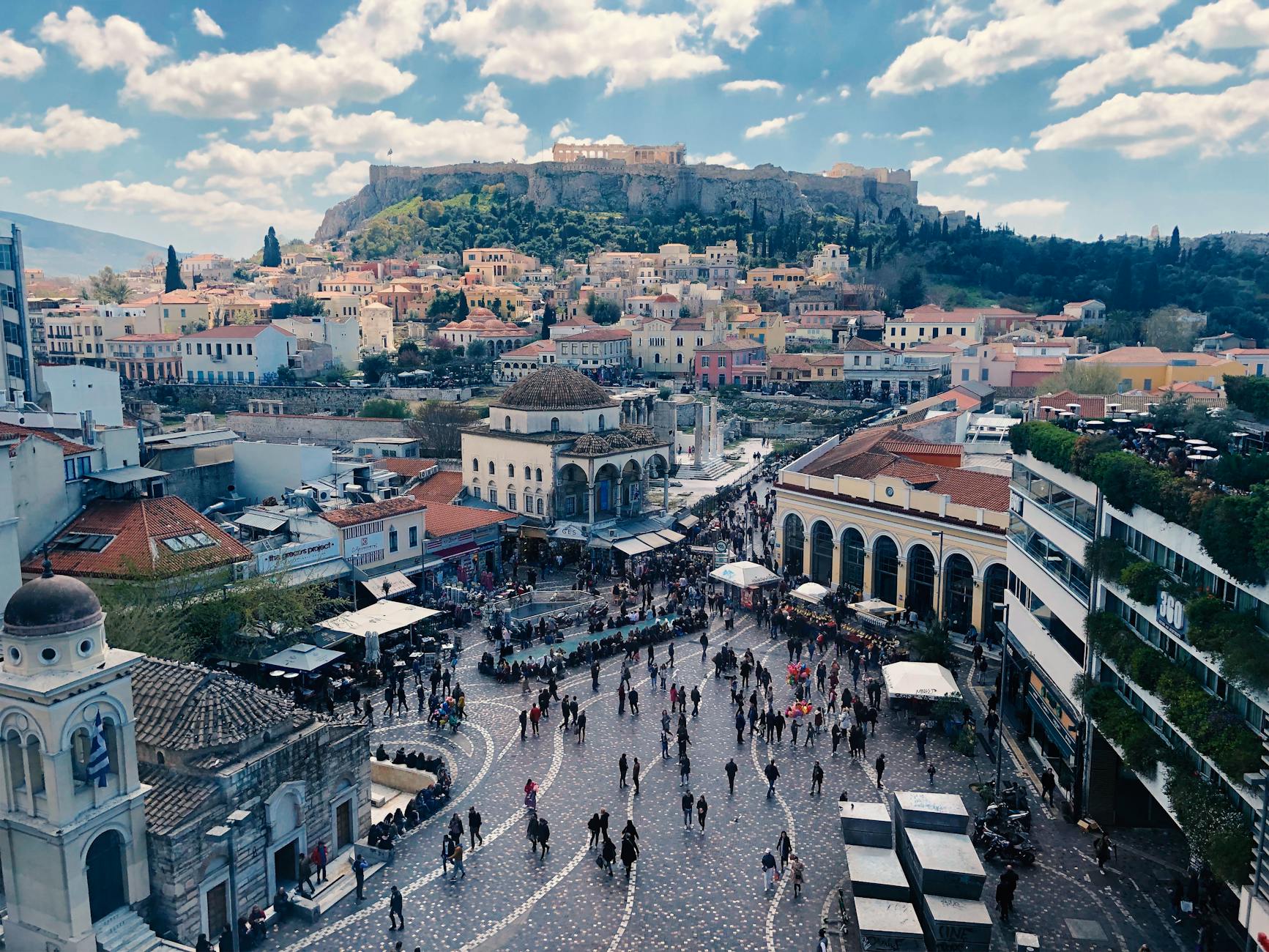
Beyond the flea market, Monastiraki offers excellent street food, particularly souvlaki and gyros shops, as well as casual tavernas. The neighborhood is less polished than Plaka but more authentic, with a real mix of tourists and locals. From Monastiraki Square, you can see the Acropolis framed perfectly, and the area serves as an excellent gateway to exploring adjacent neighborhoods like Psirri.
Practical Information: Best visited on weekends to experience the flea market in full swing. Allow 2-3 hours. Excellent for budget-conscious travelers and street food enthusiasts. The metro station here is a central transport hub connecting to all Athens districts.
Psirri & Gazi
Psirri is an up-and-coming neighborhood that has transformed from a neglected industrial area into Athens’ trendy creative district. Pedestrian streets, graffiti art, independent art galleries, boutique shops, and hip bars now occupy what were once warehouses and workshops. The neighborhood has become particularly popular with younger travelers and locals seeking authentic, non-touristy experiences.
Gazi, just south of Psirri, continues this creative energy and is home to the Technopolis, a sprawling cultural and events complex housed in a former gasworks. This venue hosts concerts, theater, and exhibitions throughout the year. The neighborhood has excellent cocktail bars, clubs, and restaurants with a more modern aesthetic than traditional Plaka.
Practical Information: Best explored in evening hours (6 PM onwards) when bars and galleries are active. Allow 2-3 hours. These neighborhoods are safest and most vibrant on weekends. Excellent for younger travelers seeking nightlife and modern culture alongside historical exploration.
Anafiotika
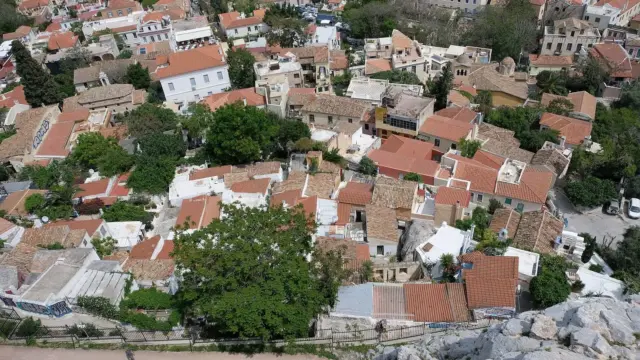
Anafiotika is a hidden gem tucked into the northeast slope of the Acropolis. This pocket neighborhood was built in the 19th century by Cycladic islanders, and it retains the distinctive architectural style of the Cyclades islands, with whitewashed houses, blue doors and shutters, and narrow pedestrian paths. Walking through Anafiotika feels like stepping into a different world—a surprising pocket of island authenticity within the urban sprawl of central Athens.
The neighborhood is quiet and contemplative, with few tourists compared to adjacent Plaka. Several small art galleries and studios occupy traditional houses, and a handful of small tavernas serve traditional food. This area is ideal for photographers and travelers seeking to escape crowds while remaining close to major attractions.
Practical Information: Allow 1-2 hours of wandering. Best approached from Stratonos Street in Plaka. Less commercialized than Plaka, making it ideal for authentic cultural experiences. Bring comfortable walking shoes as many streets are steep and winding.
Exarchia & Kolonaki
Exarchia is an intellectual, artistic, and politically engaged neighborhood that serves as Athens’ bohemian heart. Home to the National Archaeological Museum and numerous universities, Exarchia attracts artists, musicians, poets, and free-thinkers. The neighborhood features excellent independent bookstores, art galleries, small live music venues, and casual eateries serving generous portions at reasonable prices.
In stark contrast, Kolonaki sits on the slopes of Lycabettus Hill and represents upscale Athens. This neighborhood hosts boutique shopping, high-end restaurants, sophisticated bars, and embassies. While less characterful than Exarchia, Kolonaki provides a taste of contemporary Greek affluence and is home to several important museums including the Benaki and Cycladic Art museums.
Practical Information: Exarchia is best for budget-conscious cultural enthusiasts and artists; Kolonaki for upscale dining and shopping. Plan 2-3 hours for each neighborhood. Both are well-connected via metro and walking is pleasant in both areas.
Panoramic Viewpoints & Hills
Athens offers several elevated vantage points providing stunning panoramic views of the city, Acropolis, surrounding mountains, and on clear days, the Saronic Gulf. These viewpoints are ideal for sunrise or sunset photography and general orientation to the city’s geography.
Lycabettus Hill
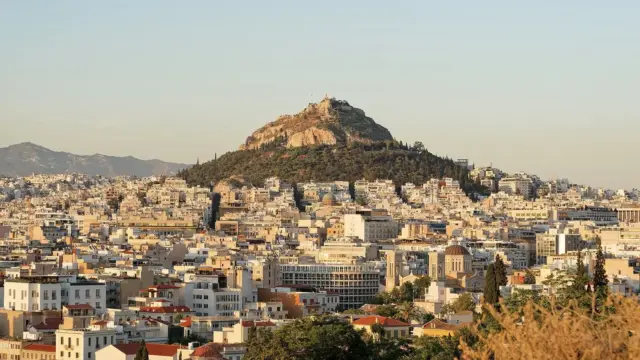
Lycabettus, known as Lykavittos in Greek, is the highest hill within Athens proper at 277 meters elevation. A Byzantine church dedicated to Saint George crowns the summit, and the views from this peak are unquestionably the finest in Athens, offering 360-degree panoramas of the city, Acropolis, and surrounding landscape. On exceptionally clear days, you can see the Saronic Islands and the Corinth Canal.
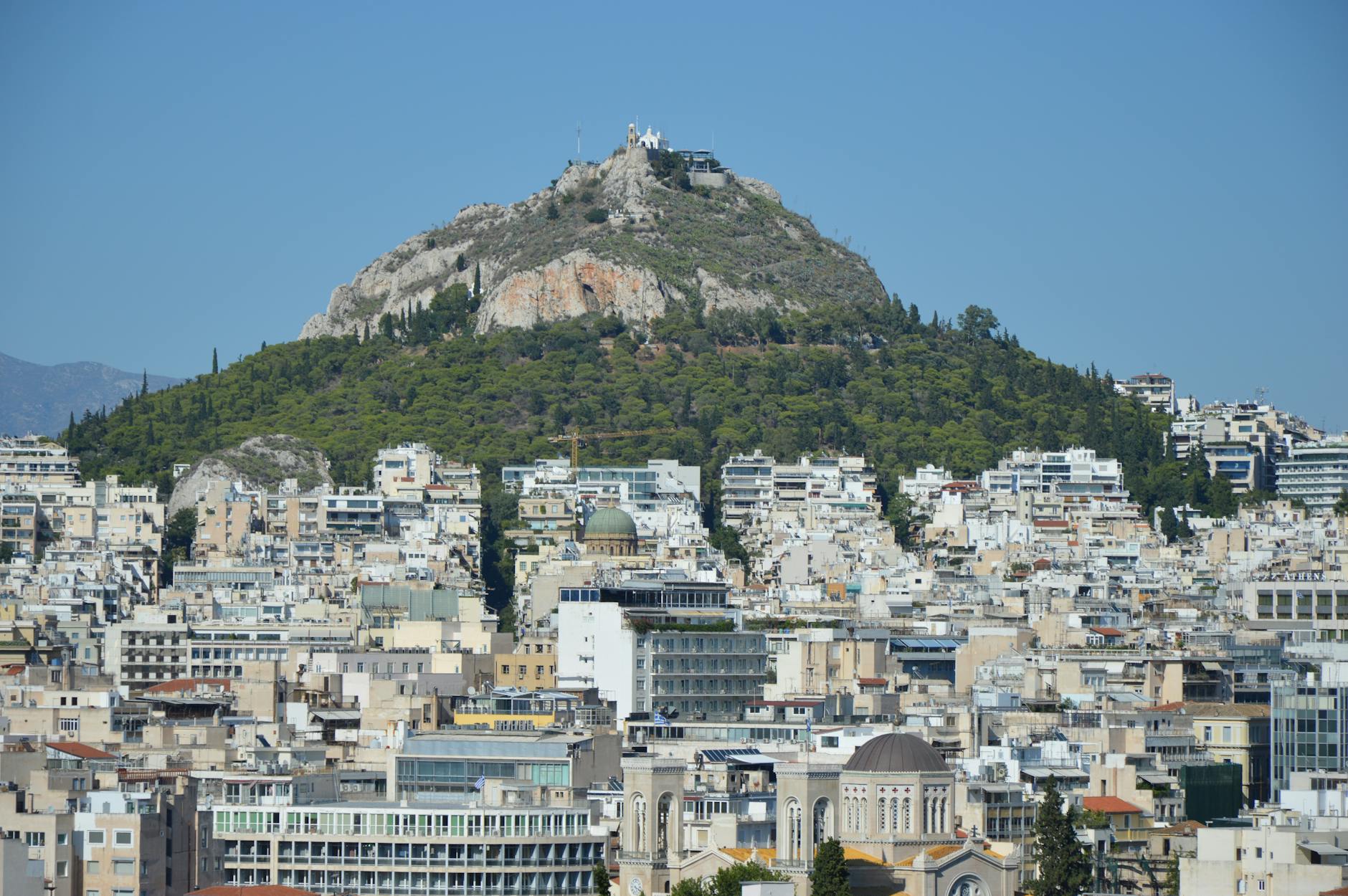
The summit can be reached via a short walking trail from Kolonaki neighborhood (30-40 minutes) or by the funicular railway that departs from Ploutarchou Street. The ascent on foot offers scenic views throughout. The hill is especially stunning at sunset when the light turns golden and the Acropolis lights up with dramatic illumination.
The summit features a restaurant, café, and gift shop. The Church of Saint George remains open to visitors, and small donations support its maintenance. In summer, an outdoor cinema operates on the hillside showing both classic and contemporary films.
Practical Information: Funicular railway costs €8 round trip (€5 one way). Hilltop restaurant offers decent but pricey food. Best visited late afternoon for sunset. The walk up takes 30-40 minutes from Kolonaki; descent takes 25-30 minutes. Free to access the hill itself; only specific facilities charge fees.
Philopappos Hill
Philopappos Hill, located southwest of the Acropolis, offers excellent views over the city and is significantly less crowded than Lycabettus. The hill is topped with the Monument of Philopappos, a grand Roman tomb built around 115 CE for a wealthy Roman citizen and friend of the emperor. The ascent passes ancient remains, pine trees, and archaeological sites, creating a peaceful hiking experience with significant historical interest.
The views from Philopappos encompass the Acropolis, Agora, and surrounding city. The hill is popular with locals and few tourists venture here, making it an excellent choice for those seeking authentic experiences away from crowded viewpoints. The descent toward the Acropolis passes several interesting ancient sites and archaeological remains.
Practical Information: Free access. Allow 1.5-2 hours for ascent and descent. Starting from Thiseio neighborhood is recommended. The hill is excellent for hiking and photography without the commercialization of Lycabettus.
Areopagus (Mars Hill)
Areopagus sits directly north of the Acropolis and offers elevated views accessible via a shorter climb than Lycabettus or Philopappos. The hill is historically significant as the seat of the ancient Areopagus Council, which governed Athens during the Classical period. In later Christian tradition, the Apostle Paul preached here, which is commemorated with a plaque.
The ascent involves climbing ancient stone steps and natural rock formations. The views are excellent, though somewhat obstructed by the Parthenon from certain angles. The experience is particularly meaningful for those interested in both ancient Greek governance and early Christian history.
Practical Information: Free access. 15-20 minute ascent from Acropolis metro station. Best visited early morning or late afternoon. Minimal facilities; bring water.
Food & Culinary Experiences
Greek cuisine is Mediterranean at its finest, emphasizing fresh vegetables, quality olive oil, feta cheese, fresh seafood, and lean proteins. Athens offers everything from street food to fine dining, and food represents one of the city’s most authentic experiences. Many Athenian social rituals center on food and family, and dining is treated as a serious cultural affair.
Street Food & Casual Eats
The iconic souvlaki—meat grilled on skewers, typically served in pita bread with tomatoes, onions, and tzatziki sauce—represents quintessential Athenian street food. Gyros, similarly prepared but with vertically stacked meat carved from a rotating spit, offer another classic quick-meal option. These foods cost €3-6 and provide authentic, filling meals appreciated equally by locals and tourists.
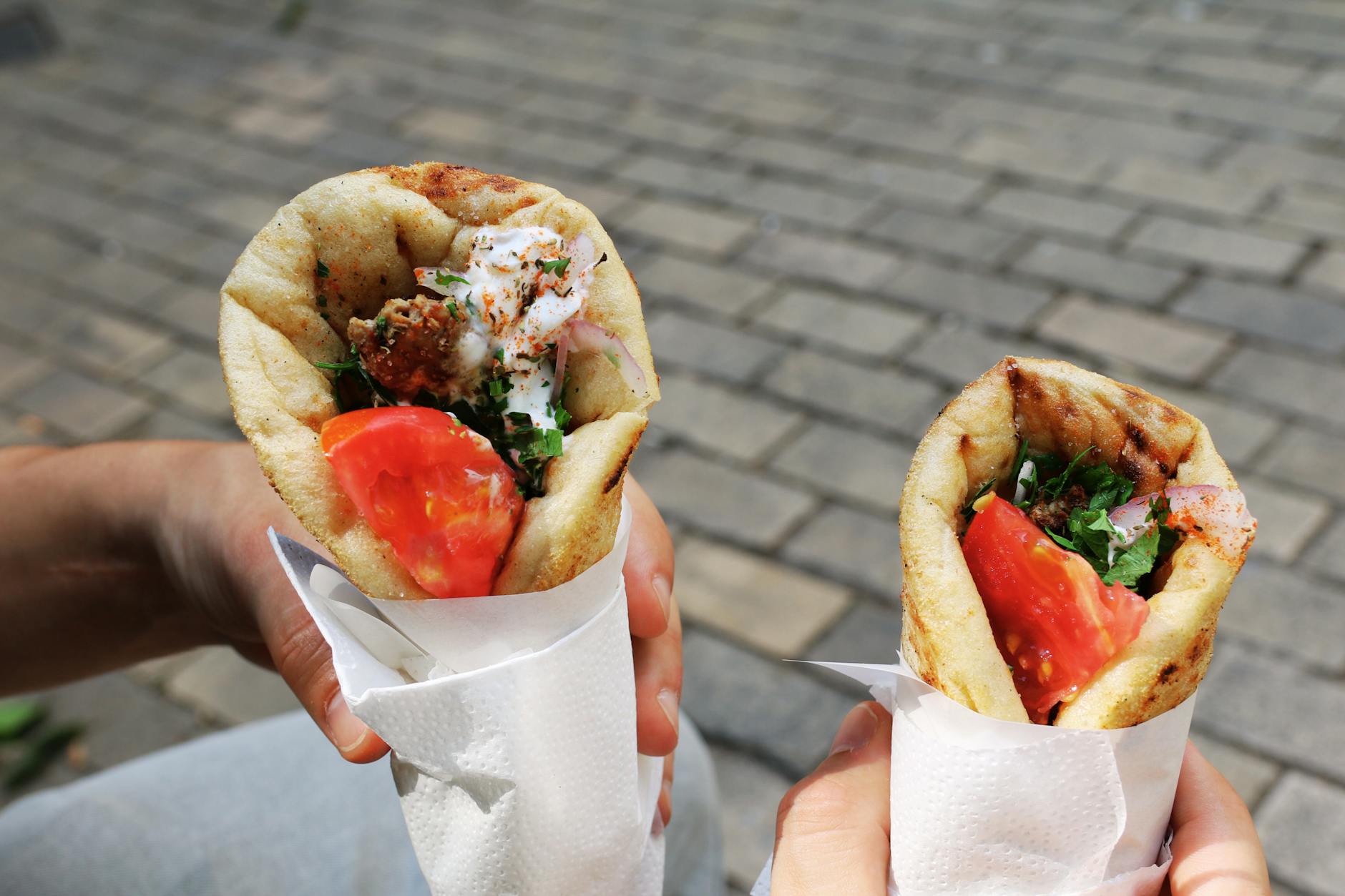
For vegetarian options, seek out traditional Greek pita sandwiches filled with saganaki (fried cheese), falafel, or spanakopita (spinach pie). Loukoumades—fried pastry puffs drizzled with honey and sprinkled with walnuts—offer an indulgent sweet snack popular throughout Athens. These street foods showcase Greek culinary traditions while respecting tight budgets.
Traditional Tavernas
Tavernas are family-run restaurants emphasizing traditional Greek cuisine and hospitality. Service is typically casual and friendly, with owners and staff treating diners as guests rather than transactions. Tavernas typically offer plate-sharing traditions where appetizers (mezes) are ordered communally, encouraging conversation and cultural exchange.
Traditional dishes include moussaka (layered eggplant and meat sauce with béchamel), pastitsio (baked pasta with meat sauce), Greek salad with feta and olives, soups like avgolemono (egg-lemon), seafood saganaki, and grilled octopus. Most tavernas include house wine in the experience, and meals typically cost €12-25 per person in non-touristy locations.
Food Tours & Cooking Classes
Food tours through neighborhoods like Plaka, Psirri, and Monastiraki combine cultural education with culinary exploration. These typically last 3-4 hours, include 6-8 food stops, and cost €60-100 per person. Guides provide context about Greek food traditions, neighborhood history, and insider recommendations for where locals eat.
Cooking classes offer hands-on culinary education, often including market visits and instruction in traditional recipes. These experiences typically run €90-150 for half-day classes. Several operators across Athens offer classes in intimate settings, often in chefs’ homes or small restaurants, creating authentic cultural exchange opportunities.
Food tour: A small-group food tour of Athens with a full meal is available to book.
Varvakios Central Market
The Varvakios Agora (Varvakios Central Market) is Athens’ primary covered food market, operating since 1886. This bustling, sensory-rich marketplace overflows with vendors selling fresh produce, meats, fish, cheese, olives, nuts, and spices. The market embodies authentic Athenian commerce and culture, with vendors calling out their wares and locals engaging in daily shopping rituals.
Walking through the market provides authentic cultural immersion and opportunities to purchase fresh ingredients or prepared foods. The market is particularly vibrant early morning (7-10 AM) when vendors are fully stocked and locals are shopping. Nearby are casual tavernas and eateries serving traditional food to market workers and shoppers.
Practical Information: Open Monday-Saturday 7 AM to 3 PM, closed Sundays. Bring cash for small vendors. Located at Aiolou Street in the Monastiraki area. Allow 1-2 hours for exploration. This experience is essential for authentic cultural engagement.
Greek Coffee Culture
Greek coffee (Greek: kafes) differs from espresso and other European coffee traditions. Finely ground coffee is combined with cold water and sugar in a special pot (briki), heated until foam rises, then served in small cups. The coffee is strong, unfiltered, and served with grounds settling at the bottom. Sugar preferences (sketo for no sugar, metrio for medium, or gliko for sweet) are standard ordering variations.
Greek coffee rituals involve lingering in traditional kafeneion (coffee houses) for hours, often involving card games, conversation, or contemplation. These coffee houses represent important social institutions in Greek culture, particularly for older men, and visiting them provides authentic cultural immersion. A Greek coffee costs €2-3 and the experience is timeless.
Practical Information: For dining recommendations, avoid restaurants with printed menus in multiple languages targeted at tourists; locals frequent places with hand-written specials or no English menus. Always order tap water (nero) which is free and excellent in Athens. Service charges are often included but small tips (5-10%) for good service are appreciated.
Beaches & the Athenian Riviera
While Athens is famous for ancient history, the city’s immediate proximity to Mediterranean beaches offers refreshing counterpoint to urban exploration. The Athenian Riviera (Akti Athinon), also called the Apollo Coast, extends south from Athens toward Cape Sounion, featuring several excellent beaches within 30 minutes of the city center.
Nearby Beaches
Vouliagmeni Beach is one of the finest near Athens, featuring clear waters, golden sand, and excellent facilities including tavernas and water sports. The beach is popular with locals and offers a true Mediterranean experience. Entry costs €6-8. Glyfada is another excellent option, featuring organized beach clubs with loungers, umbrellas, and food service in a more upscale setting. Both beaches are packed on weekends and summer months but offer respite from city heat and urban intensity.
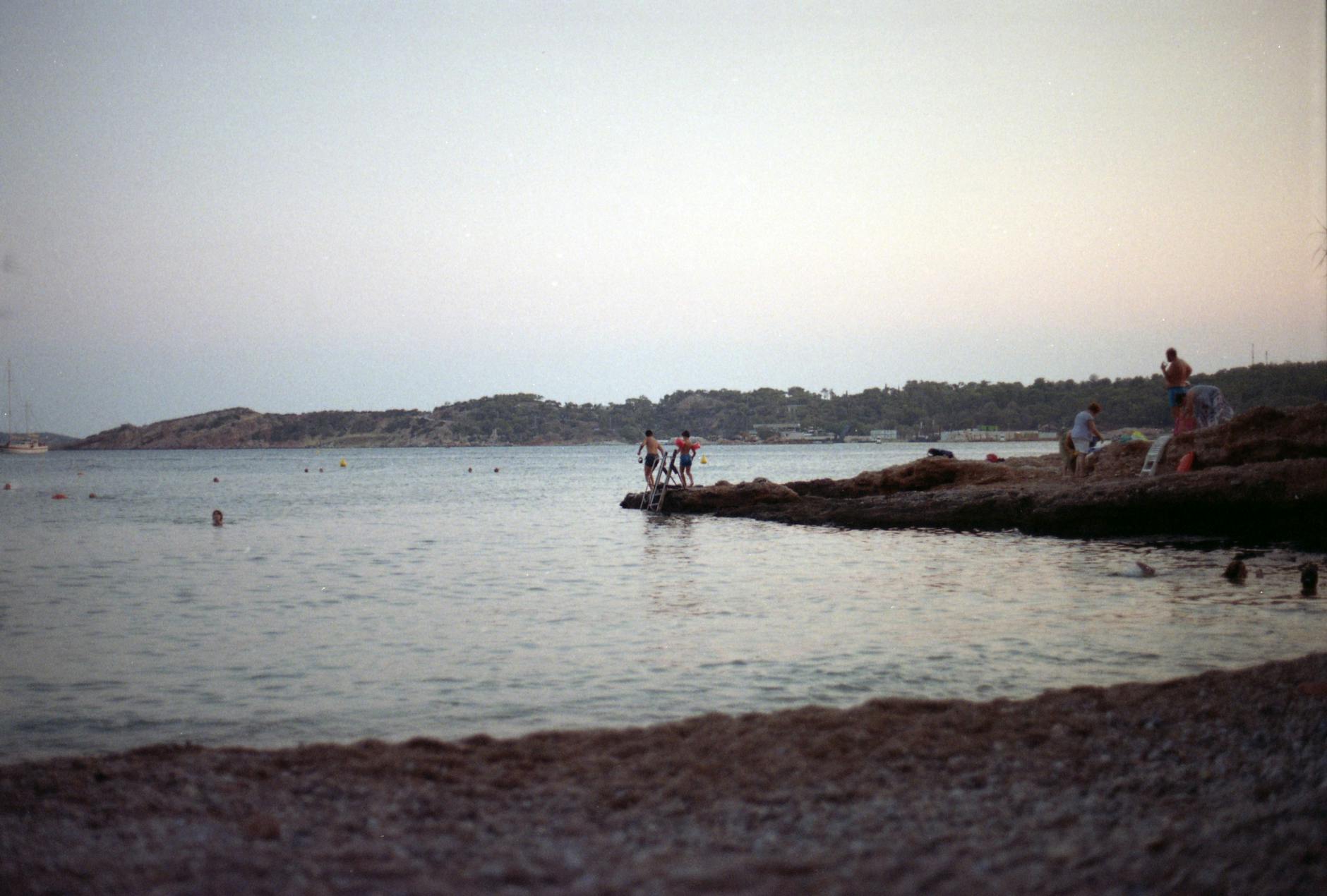
For a more adventurous experience, Cape Sounion offers spectacular clifftop scenery and the magnificent Temple of Poseidon overlooking the Aegean Sea. The drive from Athens (1 hour) follows the scenic coastal road, passing several smaller beaches and traditional fishing villages. Cape Sounion is particularly stunning at sunset when golden light illuminates the ancient temple against the sea.
Getting to Beaches
Vouliagmeni and Glyfada are accessible via tram (Tram line 4 from Syntagma Square) or car rental. The journey takes 20-30 minutes. Cape Sounion is best accessed by car rental or organized tours (€30-45 per person). A more adventurous option is combining Cape Sounion with island hopping to the Saronic Islands, which feature quieter beaches and island atmospheres just offshore from Athens.
Practical Information: Summer months (June-September) offer warmest waters and best conditions. Organized beach clubs provide loungers, umbrellas, showers, and food service for €15-25 daily. Bring sun protection as Mediterranean sun is intense. Beaches are typically accessible 9 AM to sunset, with late afternoon offering best conditions for swimming and photographing.
Nightlife & Entertainment
Athens’ nightlife is legendary among Mediterranean destinations, with the city earning reputation as one of Europe’s best party destinations. However, nightlife extends beyond clubbing to include cultural performances, traditional music venues, and sophisticated cocktail bars serving alongside recreational establishments.
Rooftop Bars & Sunset Views
Rooftop bars offer elevated experiences with spectacular Acropolis views, quality cocktails, and cosmopolitan atmospheres. These venues are particularly popular for sunset visits (7-9 PM in summer), when golden light illuminates the Acropolis and the city transitions into evening. Cocktails cost €8-15, making them reasonable for the experience quality. Most venues are casual-dress; some upscale locations have dress codes.
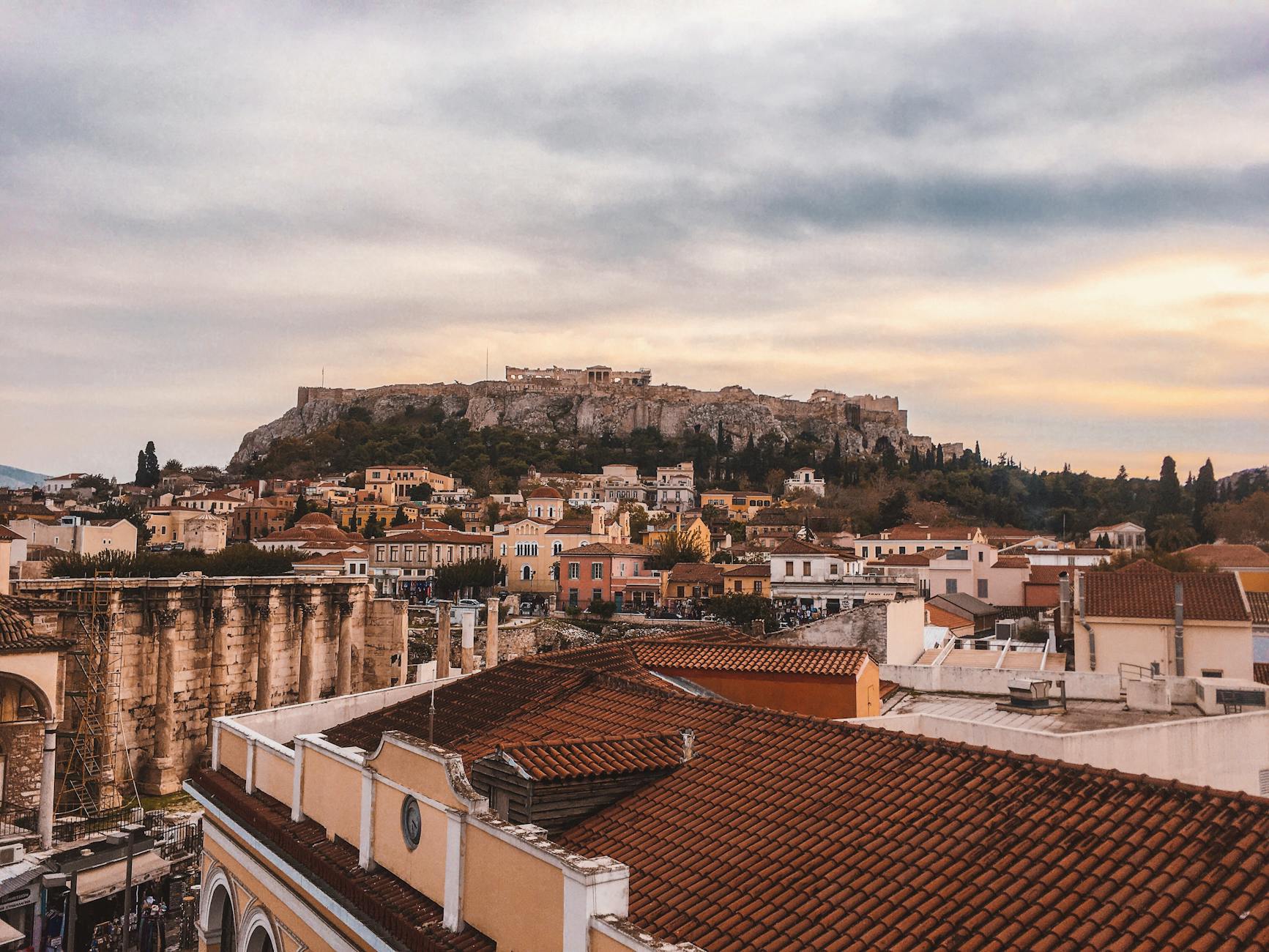
Popular rooftop venues include locations in Kolonaki, Monastiraki, and Psirri neighborhoods. These establish social focal points where locals and tourists mingle in relaxed settings. Most venues serve food alongside drinks, allowing for extended evening experiences. Arrive early (6-7 PM) to secure seating and enjoy sunset over a drink.
Gazi Clubs & Electronic Music Scene
Gazi is Athens’ premier nightclub district, featuring large venues with international DJs, elaborate light shows, and pumping electronic music. The scene attracts crowds of young travelers and Athenians seeking high-energy dancing and party atmospheres. Venues operate from midnight onward, with peak energy 1-4 AM. Most clubs charge €10-20 entry, often including a drink. The scene is LGBTQ-friendly and generally welcoming to all crowds.
Psirri Bars & Wine Venues
Psirri’s bar scene emphasizes quality cocktails, wine, and craft beer over high-volume dancing. Intimate venues, artistic ambiance, and educated bartenders create sophisticated atmospheres. These venues are better suited for conversation, cultural engagement, and higher-quality libations. This scene appeals to more mature travelers or those uninterested in nightclub dancing.
Rebetiko Music & Traditional Venues
Rebetiko is traditional Greek urban music originating in Asia Minor, emphasizing emotional expression, social commentary, and improvisation. Live rebetiko performances occur throughout Athens in traditional venues (rebetiki stekia), particularly in Psirri and Plaka. These intimate settings feature live musicians, appreciative audiences, and strong sense of community. Venues serve food and drink; covers range from €10-20 including drinks.
Experiencing traditional Greek music and culture through rebetiko provides insights into modern Greek identity and historical experiences. These venues cater to culturally engaged travelers seeking authentic experiences beyond typical tourist entertainment.
Open-Air Cinema
During summer months (May-September), Athens operates numerous open-air cinemas showing contemporary films, classics, and Greek productions with English subtitles. These experiences are uniquely Mediterranean—watching films under stars with evening breeze while enjoying cold drinks and snacks. Tickets cost €7-10 and the atmosphere is relaxed and social. Cine Paris in Plaka is one of the most historic and atmospheric venues.
Practical Information: For nightlife safety, use official taxis or ride-share services rather than hailing cabs on streets. Travel with companions, particularly late evening. Gazi’s club scene can be aggressive if you’re uninterested in overpriced table service; avoid getting pressured into reserved seating or expensive bottle service. Best nightlife experiences involve rooftop bars and cultural venues rather than high-volume clubs.
Shopping & Markets
Athens offers diverse shopping experiences from international brands to traditional crafts and local products. Shopping provides cultural insights and opportunities to support local artisans and merchants.
Monastiraki Flea Market
The Monastiraki Flea Market, operating on Sundays, sprawls across neighborhoods around Monastiraki Square. Vendors sell antiques, vintage clothing, artwork, tourist souvenirs, books, records, and miscellaneous goods. The market is chaotic, crowded, and authentically Greek, with vendors hawking their wares and bargaining expected. Arriving early (8-9 AM) offers best selection and fewer crowds.
Practical Information: Sunday mornings only, typically 7 AM-3 PM. Bring cash and comfortable walking shoes. This is essential Athens cultural experience combining shopping with people-watching and street food.
Ermou Street
Ermou Street is central Athens’ primary commercial shopping destination, featuring international brands (Zara, H&M, Nike) alongside Greek designers and local shops. The pedestrianized street is crowded with locals and tourists shopping for contemporary clothing, accessories, and goods. For authentic Greek products, seek out smaller shops selling regional products rather than chain stores.
Traditional Crafts & Souvenirs
Rather than generic tourist souvenirs, consider purchasing authentic Greek products: quality olive oil, Greek honey, traditional ceramics, Greek wine, feta cheese, olives, or handmade items from Plaka galleries. These support local artisans and provide meaningful reminders of your experience. Avoid mass-produced Greek flag items and tourist kitsch available everywhere; instead seek out genuine cultural products with quality and craftsmanship.
Practical Information: For authentic Greek products, shop at specialty stores rather than tourist-trap shops. Museum gift shops often carry higher-quality items than street vendors. Plaka galleries and Psirri boutiques offer genuinely artistic products worth purchasing. Quality Greek olive oil (€8-15 for good bottles) makes excellent gifts and brings authentic flavors home.
Outdoor Activities & Green Spaces
Athens offers surprising opportunities for outdoor recreation and nature experiences within and near the city, providing respite from urban intensity and tourist crowds.
National Garden & Stavros Niarchos Foundation Cultural Center
The National Garden (Ethniko Dendro) is a sprawling 15.8-hectare park adjacent to Parliament, offering peaceful respite with tree-shaded paths, small ponds, botanical specimens, and abundant bird life. The garden was established in 1923 and provides oasis of greenery in the city center. Entry is free and it’s open sunrise to sunset daily.
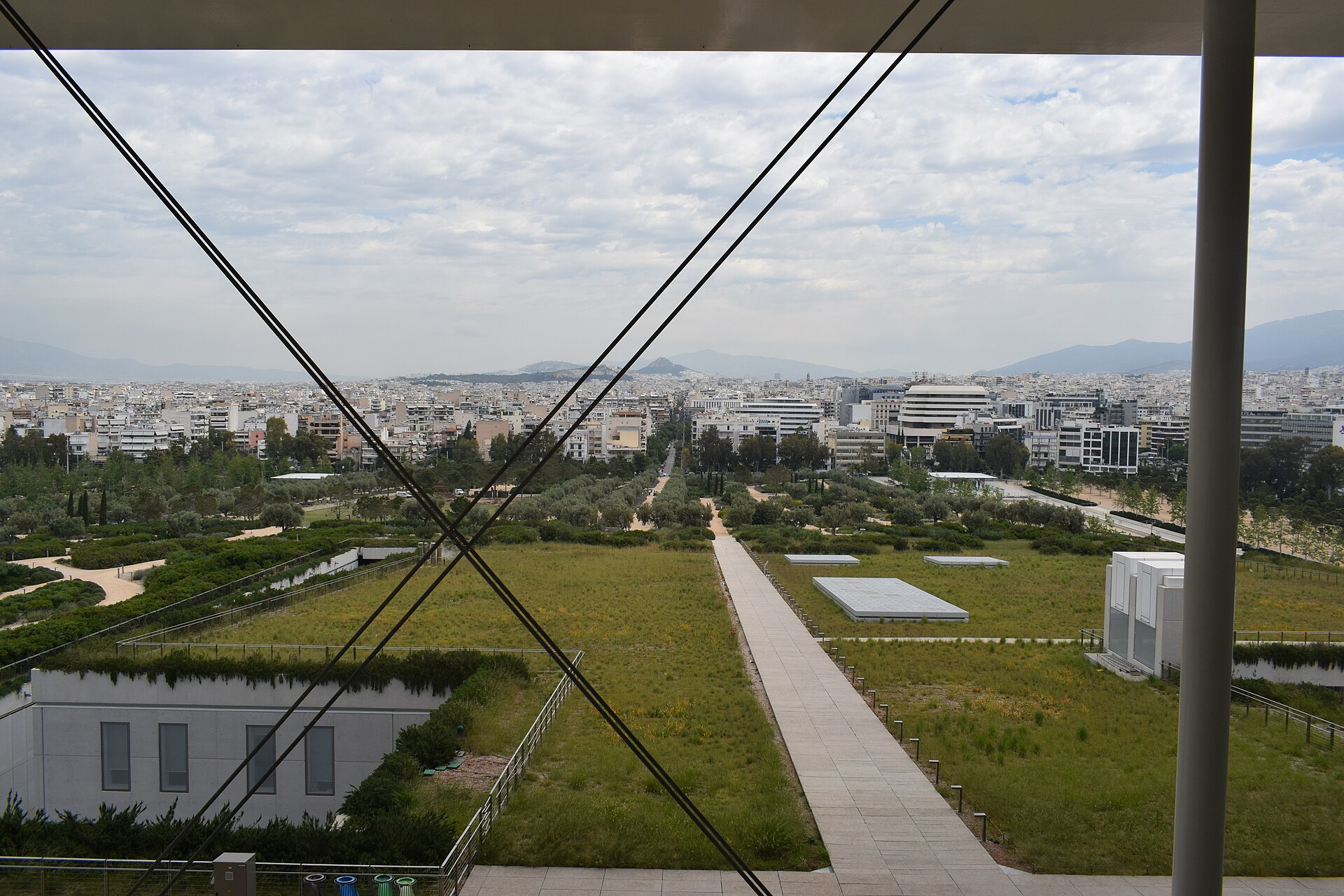
The Stavros Niarchos Foundation Cultural Center is modern addition to Athens’ cultural landscape, featuring the National Library and National Opera housed in striking modern architecture. The building’s green roofs and surrounding gardens create beautiful spaces for walking and relaxing. Public spaces are free to access, and performances occur regularly within the venue.
Walking & Cycling Tours
Organized walking tours through neighborhoods like Plaka, Psirri, and less-touristy areas offer guided explorations with historical context and local insights. These tours typically cost €25-40 for 3-4 hours and provide excellent orientation to the city. Cycling tours following coastal routes and through neighborhoods offer athletic alternatives to walking.
Hiking Near Athens
Mount Hymettus and Mount Penteli, nearby mountains north of Athens, offer accessible hiking with views over the city. These outdoor activities provide escape from urban environment while remaining within reasonable distance. Local hiking groups and tour operators offer guided experiences for €30-50 per person.
Practical Information: Best outdoor activities occur during spring (April-May) and autumn (September-October) when temperatures are moderate. Summer heat (June-August) makes daytime outdoor activity challenging; early morning or evening hiking is recommended. All outdoor activities offer healthy counterpoint to sightseeing and cultural engagement.
Day Trips from Athens
While Athens itself justifies 3-4 day stays, several remarkable destinations within 2-3 hours create excellent day trips, allowing exploration beyond the city while maintaining Athens as home base.
Delphi
Delphi, situated dramatically on Mount Parnassus 180 kilometers northwest of Athens, was considered the center of the world in ancient Greece. The Oracle of Delphi issued prophecies that influenced major decisions of ancient Greek civilization, and the archaeological site ranks among Greece’s most significant. The spectacular mountain setting, extensive ruins, and excellent museum create one of Greece’s finest archaeological experiences.
Practical Information: 2.5-3 hour drive or bus journey from Athens. Organized day tours cost €70-90 per person including transportation. Allow 4-5 hours at the site minimum. The site is extensive and benefits from guided tours providing context.
Saronic Islands
Islands like Hydra, Spetses, and Poros lie just off Athens’ coast, accessible via ferries and hydrofoils in 30-90 minutes. These islands feature island character, beaches, waterfront tavernas, and nautical atmospheres impossible to experience in Athens. Day trips involve morning ferry to an island, afternoon beach time and exploration, and evening return to Athens.
Practical Information: Ferry tickets cost €5-15 one-way. Organized day trips cost €50-70 per person. Islands are crowded on weekends; weekday visits offer better experiences. Hydra is most famous and most touristy; Poros and Spetses offer better authentic experiences.
Cape Sounion & Temple of Poseidon
Cape Sounion, 70 kilometers south of Athens, features the magnificent Temple of Poseidon perched on dramatic clifftops overlooking the Aegean Sea. The temple dates to 440 BCE and remains in excellent condition. The setting is absolutely spectacular, particularly at sunset when golden light illuminates both the ruins and the sea beyond.
Practical Information: 1.5-2 hour drive from Athens or organized tours (€35-50 per person). Best visited for sunset. The coastal drive itself is scenic, passing traditional fishing villages and smaller beaches. Can be combined with swimming at coastal beaches en route.
Day trip: A half-day tour from Athens to Cape Sounion and the Temple of Poseidon can be booked.
Meteora & Nafplio
Meteora, featuring spectacular monasteries atop massive rock pillars, lies 3-4 hours northwest of Athens. Nafplio, in Peloponnese, features Venetian fortifications, coastal charm, and proximity to Mycenae and other significant archaeological sites. Both make excellent overnight trips or extended day excursions for those seeking experiences beyond Athens.
Practical Information: Organized tours and self-drive options available. These are best visited as 2-3 day trips given travel time. Public transportation exists but car rental provides more flexibility.
Hidden Gems & Off-the-Beaten Path
Beyond major attractions, Athens offers subtle delights rewarding exploration and cultural curiosity. These experiences often prove more memorable than famous sites because they involve authentic engagement rather than following tourist itineraries.
Street Art & Graffiti Culture
Athens is world-renowned for street art, and entire neighborhoods showcase elaborate murals, stencils, and artistic expressions covering buildings and alleyways. Psirri and Exarchia particularly feature exceptional street art communities. Organized street art tours (€25-40) provide context about artists, political movements, and cultural significance, or self-guided explorations through these neighborhoods offer discovery experiences.
Anafiotika Historic District
As mentioned in neighborhoods section, Anafiotika tucked into Acropolis slopes represents surprising pocket of island authenticity with whitewashed Cycladic architecture. This area rewards patient exploration and quiet discovery, particularly early morning before crowds arrive.
Kaisariani Monastery
Kaisariani Monastery, located on Mount Hymettus east of the city, features Byzantine architecture, peaceful monastery gardens, and excellent hiking trails. The monastery includes operating monk communities and remains relatively undiscovered by tourists despite exceptional charm and significance. Access requires driving or organized tours; few tourists make the effort, making it ideal for those seeking authentic Greece.
Smaller Museums & Historic Neighborhoods
Beyond the major museums, Athens houses numerous smaller museums dedicated to specific themes: the Museum of Cycladic Art, Museum of Jewelry, War Museum of Athens, and countless neighborhood museums. These offer deeper knowledge while avoiding crowds. Each neighborhood offers hidden galleries, small cafés, and local establishments providing authentic engagement impossible in tourist-focused venues.
Practical Information: Hidden gems require more exploration, patience, and willingness to venture from guidebook recommendations. This approach to travel yields memorable experiences and genuine cultural engagement far exceeding predetermined tourist itineraries.
Practical Tips for Visiting Athens
Best Time to Visit
Athens enjoys Mediterranean climate with warm, dry summers (June-August) and mild winters. However, summer heat (often exceeding 35°C/95°F) and massive tourist crowds make this the least ideal time. Spring (April-May) and autumn (September-October) offer perfect conditions: moderate temperatures, fewer tourists, and ideal conditions for sightseeing and outdoor activities.
Getting Around
Athens public transportation consists of metro (subway), trams, and buses offering affordable, efficient city navigation. A single journey ticket costs €1.20; day passes are €4-10. The metro is fastest for longer distances; buses serve neighborhoods more effectively. Taxis are affordable (€3-8 for most journeys); ride-share services (Bolt, FREENOW) offer reasonable alternatives. Walking is often fastest and most enjoyable in central Athens, despite steep hills in some areas.
Safety & Practical Concerns
Athens is generally safe, particularly in tourist areas and neighborhoods mentioned above. Petty theft in crowded areas is the primary concern; keep valuables secure and be aware of surroundings. Avoid traveling alone late at night in unfamiliar areas; use official taxis or ride-share services. Tap water in Athens is excellent quality and safe to drink—something rarely true in Mediterranean countries.
Budget Tips
Budget travelers can experience Athens excellently for €40-60 daily (hostels €15-20, meals €10-15, activities €5-15). Mid-range travelers comfortable with hotels and restaurants expect €100-150 daily. The old Athens combo ticket was withdrawn in 2025, so history enthusiasts should budget for single tickets: €30 for the Acropolis and €5-20 for each of the other ancient sites. Many museums offer free hours on specific days; museums are free to EU citizens under 25.
Athens Combo Ticket
The 5-day Acropolis combo ticket was withdrawn in 2025, and each site now sells its own ticket: Acropolis €30; Ancient Agora and Temple of Olympian Zeus €20 each; Roman Agora, Kerameikos and Hadrian’s Library €10 each. The Acropolis Museum was never part of it and charges €20. Buy at each site’s ticket office or online.
Practical Information: Bring comfortable walking shoes (you’ll walk extensively), sun protection (Mediterranean sun is intense), and water bottle. Learn basic Greek phrases; while English is widely spoken in tourist areas, Greeks appreciate language efforts. Download offline maps (Google Maps or Maps.me) as navigation without data can be challenging. Accommodation in central neighborhoods provides best access to attractions.
Frequently Asked Questions
How many days should I spend in Athens?
A minimum of 3 days allows exploration of major sites and neighborhoods. Four to five days permits deeper engagement with museums, cultural experiences, and day trips. Two days represents bare minimum for Acropolis and Plaka; anything less feels rushed. Most travelers find 4-5 days optimal for experiencing Athens properly without excessive repetition.
What’s the best time to visit the Acropolis?
Visit very early morning (before 9 AM) to beat crowds and heat, or late afternoon (3-5 PM) after peak tourist hours. Avoid midday when heat and crowds are overwhelming. Spring and autumn offer perfect conditions; summer is hot and crowded; winter is mild but occasionally rainy. Plan 2-3 hours minimum for the Acropolis and museums.
Is tap water safe to drink in Athens?
Yes, Athens tap water is excellent quality and absolutely safe. This is unusual in Mediterranean countries and provides significant budget advantage. Always drink tap water rather than purchasing bottles to save money and reduce environmental impact.
How much should I budget for food and dining?
Street food (souvlaki, gyros, pita) costs €3-6. Simple taverna meals range €10-20 per person. Mid-range restaurants charge €20-40. Fine dining exceeds €50 per person. Eating where locals eat (avoiding tourist-trap restaurants in Plaka and Monastiraki) provides better value and quality. Markets and supermarkets offer picnic options for €5-10 per person.
What’s the local transportation system like?
The Athens metro is modern, efficient, and affordable at €1.20 per journey or €4 daily pass. Buses connect neighborhoods effectively but navigation is less intuitive. Taxis and ride-share offer reasonable alternatives to public transportation. Renting a car is unnecessary for city exploration but useful for day trips beyond Athens. Walking remains the best way to experience neighborhoods and discover unexpected attractions.
Are there beaches near Athens?
Yes, multiple beaches are accessible within 20-40 minutes via tram, bus, or car. Vouliagmeni and Glyfada beaches offer organized facilities and clear water. Smaller beaches along the coast toward Cape Sounion provide quieter alternatives. The Saronic Islands accessible via ferry offer island beach experiences within an hour of the city.
What are the best neighborhood experiences?
Plaka offers historic atmosphere and archaeological sites. Monastiraki and Psirri provide authentic street food, shopping, and nightlife. Exarchia offers artistic and intellectual culture. Anafiotika provides unexpected island authenticity. Spend time wandering each neighborhood to discover local tavernas, galleries, shops, and street life. This approach to exploration yields far more memorable experiences than visiting sites only.
Should I take a guided tour or explore independently?
Independent exploration allows flexibility and personal discovery; consider hiring guides for specific sites where context significantly enhances experience (Acropolis, Delphi). Neighborhood walking tours (€25-40) provide excellent value, introducing areas and local recommendations. Balance guided and independent exploration to optimize both knowledge and discovery.
Conclusion
Athens represents far more than an open-air museum of ancient history, though that alone justifies a visit. This dynamic, welcoming capital city seamlessly blends extraordinary archaeological heritage with vibrant modern culture, excellent cuisine, beautiful beaches, and authentic Mediterranean living. Whether you’re passionately exploring ancient ruins, wandering atmospheric neighborhoods, dining in family-run tavernas, enjoying sunset from a rooftop bar, or simply people-watching in a neighborhood café, Athens delivers experiences that linger in memory long after departure.
The challenge isn’t finding things to do in Athens—it’s limiting yourself to the time available. This comprehensive guide provides framework for organizing your exploration, but the greatest Athens experiences often occur through serendipitous discovery: turning down an unknown alleyway, stumbling into a neighborhood taverna, or striking conversation with a local who recommends their favorite lesser-known site.
Start with the major archaeological sites and museums to understand Athens’ historical significance, then venture into neighborhoods where local culture and authentic engagement transform Athens from tourist destination into genuine experience. Take time to linger, observe, taste local food, and connect with the people and places that make Athens extraordinary. By combining strategic planning with openness to unexpected discoveries, you’ll create an Athens experience uniquely your own—one that captures not just the famous sites but the spirit of this ancient, vibrant city.
Ready to explore more of what Greece has to offer? Check out our guides to day trips from Athens, Athens’ best food experiences, nightlife and entertainment, and Athens’ beautiful beaches for deeper exploration of specific topics.
Explore Athens Activities in Depth
Each of these guides goes deeper on one slice of the Athens experience:
- Athens Festivals & Events Calendar 2026: Complete Year Guide
- Athens at Night: 25 Best Things to Do in the Evening (2026)
- Athens Rainy Day Activities: 25 Indoor Things to Do (2026)
- Athens Hidden Gems: 30 Off the Beaten Path Spots (2026)
- Unique Things to Do in Athens: 25 Bucket-List Experiences (2026)
- Athens Instagram Spots: 25 Best Photography Locations (2026)
- Free Things to Do in Athens: 30+ No-Cost Attractions (2026)
- Top 25 Attractions in Athens You Can't Miss (2026 Guide)
Photo Credits
- The SNFCC park from above: 20190513 420 athenes by Jean Housen, CC BY-SA 4.0, via Wikimedia Commons.