
This article contains advertising. Some of the hotel, flight and transfer links in it are paid links: if you book through one, we get a commission from the booking company, and your price is the same either way. It never affects what we recommend. Affiliate disclosure
Getting around Athens Greece is far easier than most first-time visitors expect. The city has invested heavily in public transport infrastructure — especially since the 2004 Olympics — and today boasts a modern metro system, an expanding tram network, comprehensive bus coverage, and increasingly popular ride-hailing apps. Whether you are traveling from Athens International Airport to your hotel, hopping between ancient sites, or heading to the port for an island ferry, this guide covers every transport option with current prices, practical tips, and insider advice.
This complete guide to getting around Athens Greece covers the metro, buses, trams, taxis, ride-hailing apps, ferries, walking, cycling, car rental, and airport transfers. We include 2026 ticket prices, how to pay, accessibility information, and route recommendations to help you navigate the city with confidence.
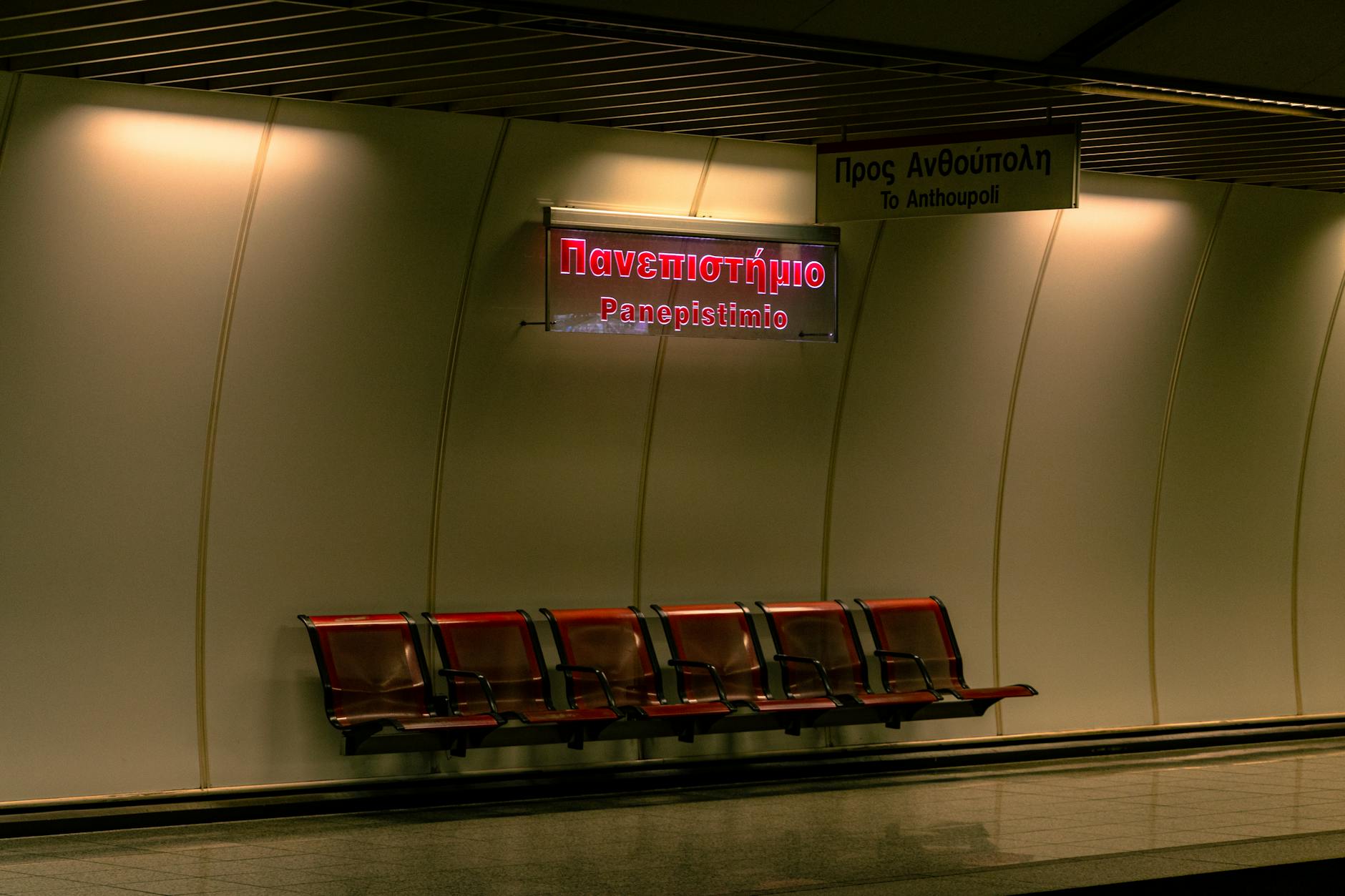
The Athens Metro: Fast, Clean & Easy to Navigate
The Athens Metro is the backbone of the city’s transport network and the fastest way to travel between major tourist areas. With three lines, modern air-conditioned trains, and stations that double as free archaeological museums, the metro is a highlight in itself.
Metro Lines at a Glance
Line 1 (Green — Piraeus to Kifissia): The oldest line, operating since 1869, connects the port of Piraeus through central Athens (Monastiraki, Thiseio, Omonia) north to the leafy suburb of Kifissia. This is the line you need for reaching Piraeus if you are catching a ferry to the Greek islands. Key stations include Monastiraki (transfer to Line 3), Omonia (transfer to Line 2), and Piraeus (ferries to the Saronic, Cycladic, and Dodecanese islands).
Line 2 (Red — Anthoupoli to Elliniko): Running roughly north-south, Line 2 connects the northwestern suburbs through central Athens (Syntagma, Acropolis, Syngrou-Fix) to the southern coastal suburb of Elliniko near the former airport site. The Acropolis station is the most convenient stop for the Acropolis, the Acropolis Museum, and the Plaka and Makriyianni neighborhoods. Syntagma station serves as the main transfer point to Line 3 and features an impressive display of archaeological finds uncovered during construction.
Line 3 (Blue — Nikaia to Athens Airport): The blue line extends from the western suburb of Nikaia through Monastiraki and Syntagma to Athens International Airport. This is the airport line — trains run every 30 minutes between the airport and the city center, with the journey taking approximately 40 minutes to Syntagma.
Metro Operating Hours
The metro operates daily from approximately 5:30 AM to 12:30 AM. On Friday and Saturday nights, Lines 2 and 3 run extended service until 2:30 AM, making late-night returns from restaurants and bars in the city center much easier. As of late 2025, Saturday service on Lines 2 and 3 operates 24 hours, a welcome addition for weekend visitors.
Metro Stations as Museums
Several metro stations feature museum-quality displays of artifacts discovered during excavation. Syntagma station showcases ancient graves, aqueducts, and pottery from multiple historical periods. Acropolis station displays casts of the Parthenon frieze. Monastiraki station offers views of archaeological remains visible through glass panels. These displays are free and accessible to anyone passing through the stations — a unique bonus for visitors interested in Athens historical sites and museums.

Tickets, Passes & How to Pay
One of the best things about getting around Athens Greece by public transport is the integrated ticketing system. A single ticket works across the metro, buses, trolleybuses, and tram (with the exception of airport services, which require a separate ticket).
Ticket Types and 2026 Prices
Single Ticket — €1.20: Valid for 90 minutes from first validation on all public transport modes (metro, bus, trolley, tram). You can transfer freely between modes within the 90-minute window. This is extraordinarily good value — a single ticket can take you from one end of the city to the other with a bus-to-metro transfer included.
24-Hour Ticket — €4.10: Unlimited travel on all public transport for 24 hours from first validation. With a daily fare cap system now in place, even if you use individual contactless payments, your charges will not exceed €4.10 per day.
5-Day Ticket — €8.20: Unlimited travel for five consecutive days. Excellent value for visitors staying several days.
3-Day Tourist Ticket — €20: Unlimited travel for 72 hours plus one round trip to and from Athens International Airport. This is the best-value option for most tourists, as it effectively gives you three days of unlimited city travel plus the airport transfer (which alone would cost €18 return).
Airport Metro Ticket — €9 one way / €16 return: Required specifically for travel to or from the airport on Metro Line 3. The return ticket is valid for 48 hours.
How to Pay: Contactless Is King
Athens has embraced contactless payment across its entire public transport system. You can pay in several ways. The easiest is Tap2Ride — simply tap your contactless Visa or Mastercard (physical card or digital wallet via Apple Pay or Google Pay) directly on the validator when boarding a bus or tram, or at the metro gate. The system automatically calculates the best fare and applies the daily cap of €4.10.
Traditional Ath.ena Card reusable tickets are available from machines and kiosks at metro and tram stations. You load credit or passes onto the card and tap it at validators. Paper tickets are being phased out but remain available at some locations.
Important: Always validate your ticket when entering the metro, boarding a bus, or stepping onto the tram. Inspectors conduct random checks, and fines for traveling without a validated ticket are substantial (60 times the single fare).
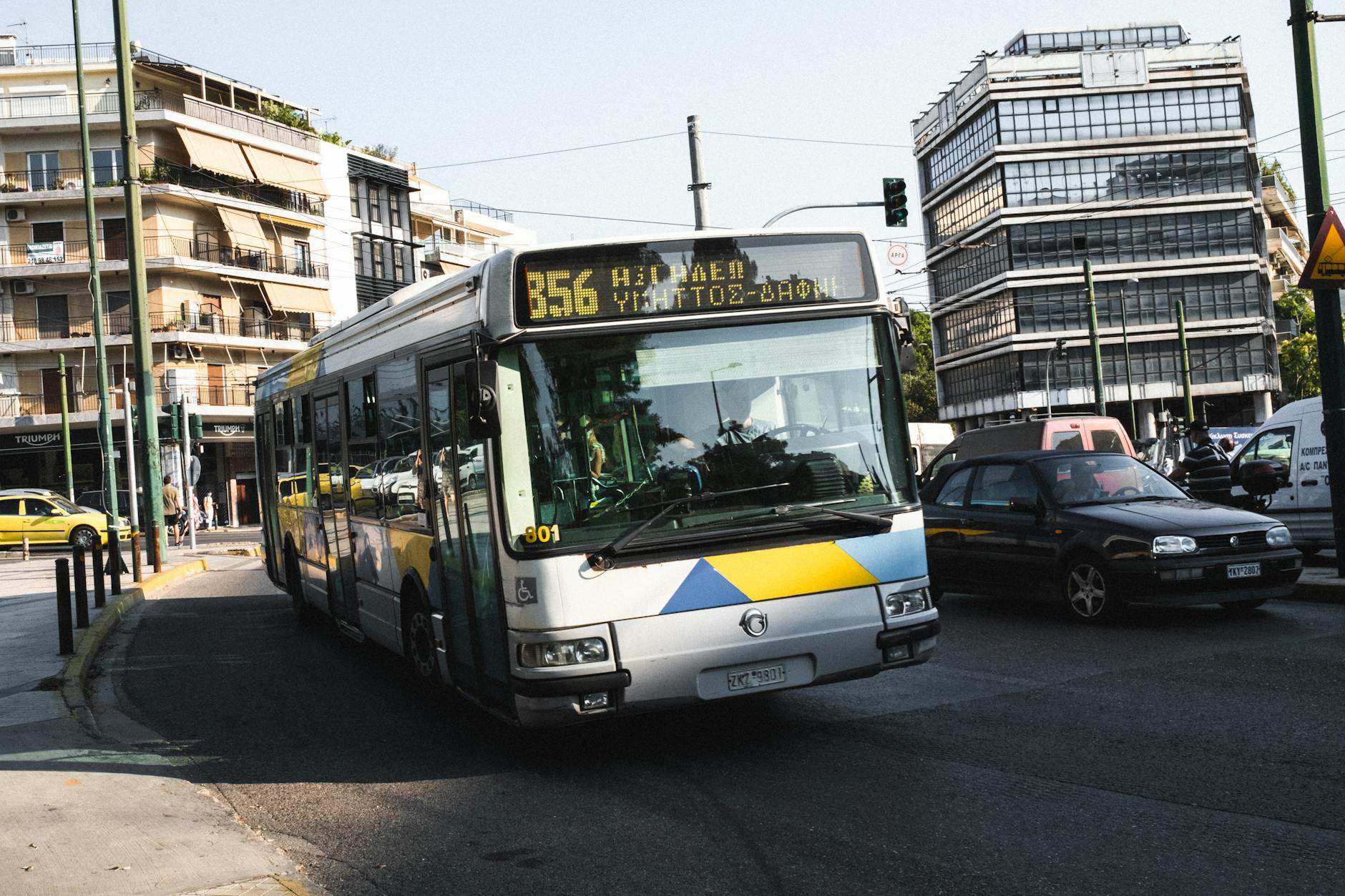
Buses & Trolleybuses: Covering Every Corner
Athens’ bus and trolleybus network is the most extensive part of the city’s public transport, reaching neighborhoods and suburbs that the metro and tram do not serve. OASA (Athens Urban Transport Organisation) operates over 300 bus routes and a fleet of electric trolleybuses on dedicated routes through the city center.
When Buses Are the Best Option
Buses are essential for reaching areas not on the metro or tram lines, such as certain hillside neighborhoods, the northern suburbs, and specific coastal areas along the Athens Riviera. Key tourist-relevant bus routes include the X95 (airport to Syntagma Square, 24-hour operation), the 040 (Syntagma to Piraeus), and routes serving the National Archaeological Museum and the Stavros Niarchos Foundation Cultural Center.
Athens’ bus fleet has been significantly modernized in recent years, with many routes now served by new air-conditioned vehicles. Trolleybuses — electric buses drawing power from overhead wires — operate on several central routes and are quieter and cleaner than diesel alternatives.
Tips for Riding Buses
Bus stops display route numbers and (on newer stops) real-time arrival information. The OASA Telematics app and Google Maps both provide live bus tracking, making it easy to plan your journey and avoid waiting. Board through any door and validate your ticket immediately. Most buses do not announce stops in English, so follow your route on a map app or ask the driver to alert you at your stop. During rush hours (7:30–9:30 AM and 5:00–8:00 PM), central Athens bus routes can be extremely crowded — the metro is a faster and more comfortable alternative during these times.

The Athens Tram: Scenic Coastal Ride
The Athens tram network, launched for the 2004 Olympics, runs from the city center to the southern coastal suburbs along the Athens Riviera. While not essential for most tourist sightseeing, the tram is a pleasant way to reach the coast for a beach day or seaside dinner.
Tram Routes
Line T6 (Syntagma to Voula): Runs from Syntagma Square through the Neos Kosmos and Palaio Faliro neighborhoods to the beaches and coastal promenade at Voula. The journey takes approximately 60 minutes end to end.
Line T7 (Syntagma to Piraeus — SEF): Connects Syntagma Square to the Peace and Friendship Stadium area near Piraeus, running along the coast for much of its route.
The tram uses the same integrated tickets as the metro and buses (€1.20 single, contactless tap accepted). Trams run from approximately 5:30 AM to 1:00 AM, with weekend 24-hour service on select routes.

Taxis & Ride-Hailing Apps
Athens Taxis
Athens’ yellow taxis are plentiful and relatively affordable compared to other European capitals. The meter-based fare system charges a base rate of €1.29 plus €0.74 per kilometer within city limits (Tariff 1, daytime) or €1.29 per kilometer between midnight and 5:00 AM (Tariff 2). Minimum fare is €3.47. There are surcharges for airport pickups (€3.84), port pickups (€1.07), and luggage over 10 kg (€0.40 per piece).
The flat-rate airport taxi fare is a significant advantage: €40 from the airport to the city center during daytime hours (5:00 AM to midnight) and €55 during nighttime hours. These fixed prices are posted in the taxi and at the airport taxi rank — insist on them if a driver tries to charge more.
Ride-Hailing Apps
Three major ride-hailing platforms operate in Athens. FREENOW (formerly Beat) is the most widely used in Greece and offers the largest fleet of available drivers. Uber operates legally in Athens but only with licensed taxi drivers (no private vehicles), functioning essentially as a taxi-hailing app. Bolt launched in Athens in mid-2025 and has quickly gained market share with competitive pricing.
All three apps add a small booking fee (approximately €1–€2) on top of the metered fare. The major advantage over street hails is upfront pricing, GPS-tracked routes (so you know you are not being taken on a roundabout journey), digital receipts, and cashless payment.
Avoiding Common Taxi Issues
While the vast majority of Athens taxi drivers are honest and professional, a few common issues are worth knowing about. Always ensure the meter is running when you get in — if a driver claims the meter is broken, exit and find another taxi. By law, all Athens taxis must accept card payments; if a driver claims otherwise, they are not being truthful. When hailing from the street, confirm your destination before getting in — some drivers may decline certain destinations during busy periods. Using a ride-hailing app eliminates most of these concerns by providing route tracking, upfront fare estimates, and automatic payment.

Athens Airport to City Center: Every Option Explained
Athens International Airport (Eleftherios Venizelos) sits 33 kilometers east of the city center. Four main transport options connect the airport to Athens, each with different trade-offs of speed, cost, and convenience.
Metro (Line 3 — Blue Line)
The metro is the most popular option for budget-conscious travelers. Trains depart every 30 minutes from the airport station, reaching Syntagma Square in approximately 40 minutes and Monastiraki in about 45 minutes. A one-way ticket costs €9 (reduced €4.50 for under-18, students, and over-65). Return tickets (€16) are valid for 48 hours. Metro service runs from approximately 6:30 AM to 11:30 PM. The tap-to-pay system is fully operational at metro gates, so you can skip kiosk queues and tap your contactless card directly.
Express Bus (X95)
The X95 bus runs 24 hours a day, 365 days a year, connecting the airport directly to Syntagma Square. This is the only public transport option available during late-night and early-morning hours when the metro is not running. The journey takes 60–90 minutes depending on traffic. Tickets cost €5.50 (reduced €2.70). Buses depart approximately every 15–30 minutes during the day and every 30–60 minutes overnight.
Taxi
Taxis from the airport operate on a flat-rate system: €40 to anywhere in central Athens during daytime (5:00 AM to midnight) and €55 at night. The ride takes 35–50 minutes depending on traffic. Taxis accommodate up to 4 passengers, making this the most cost-effective option per person for groups of three or more. The official taxi rank is outside Arrivals Exit 3.
Private Transfer
Pre-booked private transfers offer a more comfortable experience, with a driver waiting in Arrivals holding a sign with your name. Prices start around €45–€55 for a sedan and are competitive with taxis when booked in advance. This option is particularly convenient for late-night arrivals or when traveling with heavy luggage.
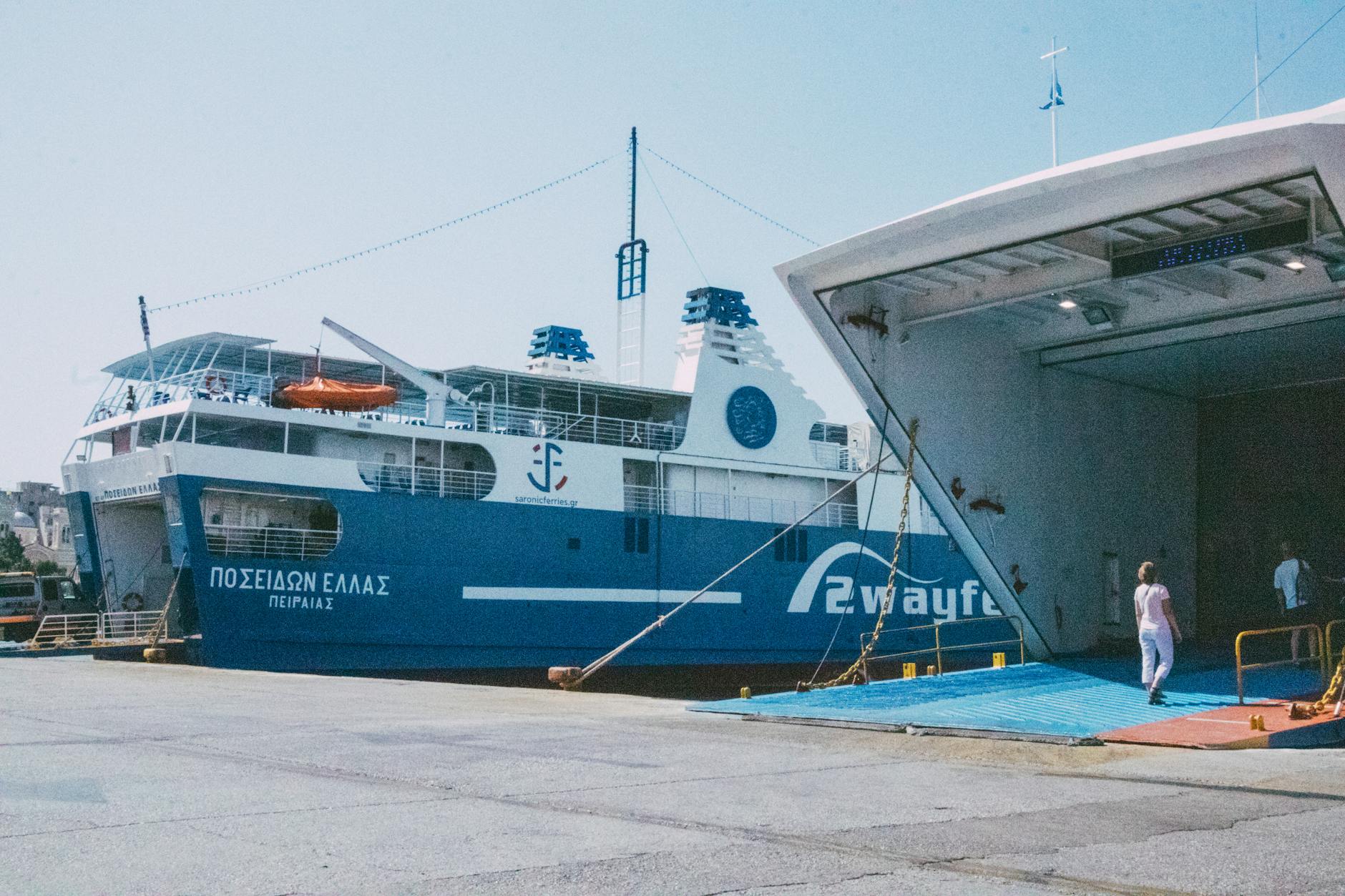
Getting to Piraeus Port for Island Ferries
If you are planning day trips from Athens, you will almost certainly need to reach Piraeus — Greece’s largest port and the departure point for ferries to most Greek islands. Piraeus is well connected to central Athens.
Metro (Line 1 — Green Line)
The fastest and most reliable option. From Monastiraki, the journey to Piraeus station takes approximately 20 minutes. From Syntagma, take Line 2 or 3 to Monastiraki, then transfer to Line 1. Single ticket: €1.20. Piraeus metro station is a short walk from the main ferry gates (E1–E3), though some gates (particularly E12 for Crete-bound ferries) require a longer walk or a short bus ride.
Bus
Bus route 040 runs from Syntagma Square to Piraeus. The journey takes 30–60 minutes depending on traffic. The X96 express bus connects Athens Airport directly to Piraeus Port (journey time approximately 90 minutes, fare €5.50) — useful if you are heading straight from your flight to a ferry.
Taxi
A taxi from central Athens (Syntagma/Plaka area) to Piraeus costs approximately €15–€20. From the airport, the flat rate to Piraeus is €47 (daytime) or €65 (nighttime).
Tip: Arrive at Piraeus at least one hour before your ferry departure time. The port is enormous, and finding the correct gate (E1–E12) can take 15–20 minutes, especially if you arrive at the metro station and need to walk to gates further south.

Walking in Athens: The Best Way to Explore
Central Athens is remarkably walkable, and exploring on foot is the best way to experience the city’s layered history and neighborhood character. The pedestrianized Grand Promenade — a continuous walking path that encircles the Acropolis, connecting Dionysiou Areopagitou Street, Apostolou Pavlou Street, and Ermou Street — is one of the great urban walks in Europe. From Plaka’s winding alleys to Monastiraki’s bustling flea market, from the National Garden’s shaded paths to Kolonaki’s elegant shopping streets, most of the city’s top things to do in Athens are within comfortable walking distance of each other.
Walking Distances Between Key Sites
From Syntagma Square to the Acropolis entrance, the walk takes approximately 15 minutes through Plaka. From the Acropolis Museum to the Ancient Agora, it is about 10 minutes along the pedestrian promenade. From Monastiraki to the National Archaeological Museum, allow 20 minutes walking north through Omonia. From Syntagma to Kolonaki (Museum of Cycladic Art, Benaki Museum), it is a 10-minute stroll. These short distances mean that for sightseeing within the historic center, walking is often faster than public transport once you factor in station access and waiting times.
Walking Tips
Athens’ pavements can be uneven, particularly in older neighborhoods — sturdy, comfortable shoes are essential. Summer heat (June–August) makes midday walking uncomfortable; plan outdoor exploration for early morning and late afternoon, retreating to air-conditioned museums during the hottest hours. Many sidewalks in Athens are narrow and occasionally obstructed, so pedestrians often walk in the street in quieter neighborhoods — this is normal and accepted. The main pedestrianized zones around the Acropolis and in Plaka are blissfully car-free and a pleasure to explore.

Cycling & E-Scooters
Athens has become increasingly bike-friendly in recent years, with new dedicated cycling lanes in the city center and along the coastal route to the southern suburbs. While Athens’ hilly terrain and assertive driving culture make it less cycle-friendly than Amsterdam or Copenhagen, e-bikes have made cycling a practical option for exploring the flatter central areas.
Bike and E-Bike Rental
Several companies offer bike and e-bike rentals by the hour or day. Typical e-bike rental costs range from €15–€30 for a half day. Popular routes include the Acropolis pedestrian loop, the coastal path from Flisvos Marina to Vouliagmeni, and the route through the National Garden and Zappeion Park. Guided e-bike tours of the historic center are also available, combining sightseeing with a novel mode of transport.
E-Scooters
Shared e-scooter services operate in Athens, offering a fun and efficient way to cover short distances. Download the relevant app, locate a nearby scooter, scan the QR code, and ride. Helmets are recommended (though not always available), and riders should stick to bike lanes and quieter streets. E-scooters are particularly useful for reaching coastal areas and the growing network of bike-friendly routes.
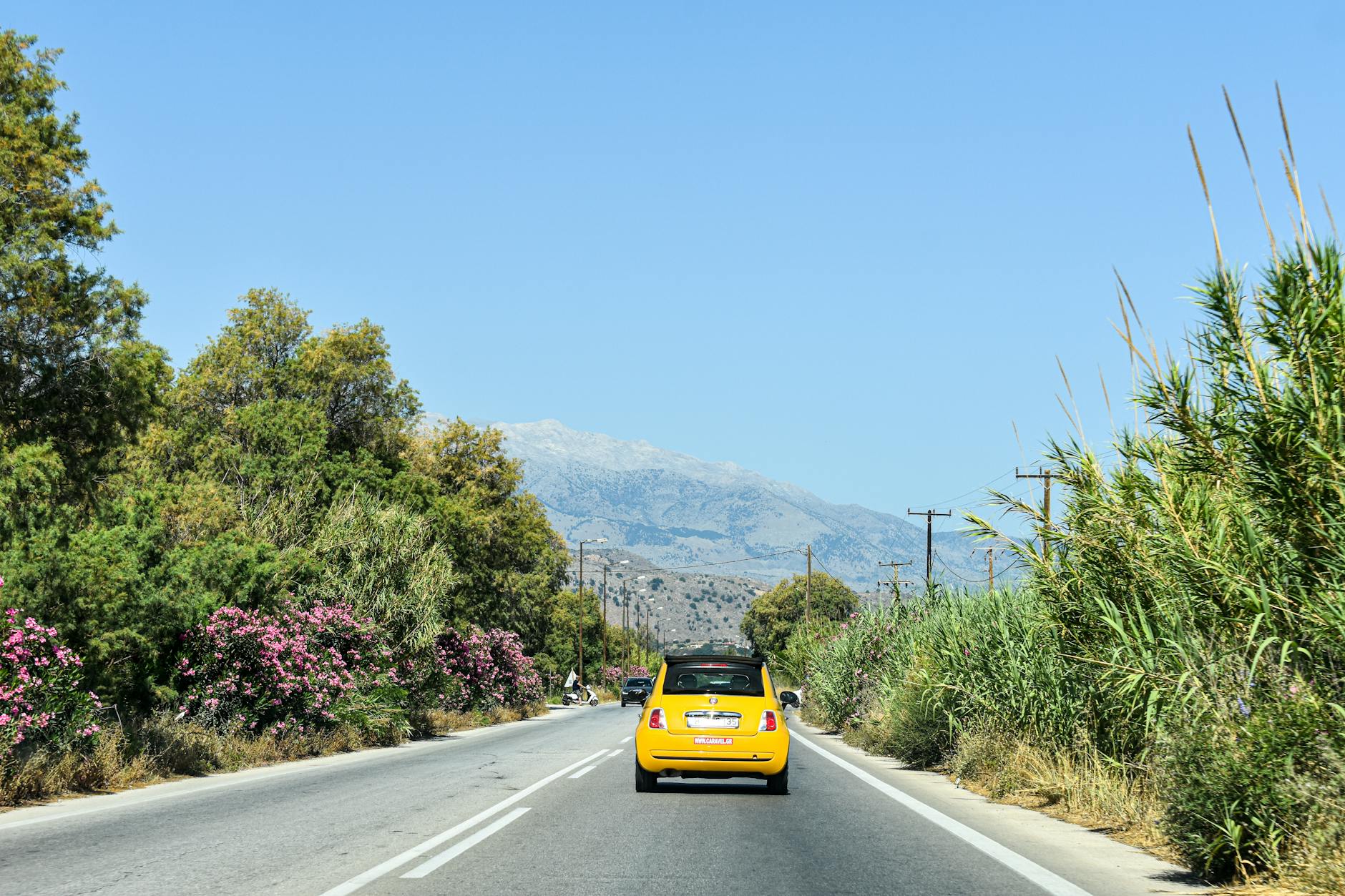
Car Rental & Driving in Athens
While renting a car is unnecessary (and often counterproductive) for exploring central Athens, it becomes valuable for day trips from Athens — particularly to destinations like Delphi, Meteora, Cape Sounion, and the Peloponnese circuit (Mycenae, Epidaurus, Nafplio) where public transport options are limited.
When to Rent a Car
Rent a car only if you plan to leave the city. Central Athens traffic is notoriously dense, parking is scarce and expensive, and the one-way street system is confusing even for locals. The public transport network covers nearly all in-city needs far more efficiently. If you do plan excursions, consider picking up the rental on the morning of your day trip and returning it the same evening, rather than keeping a car for your entire stay.
Driving Tips for Athens and Attica
Greece drives on the right. Major highways (Attiki Odos ring road, the E75 to Thessaloniki, the motorway to Patras) are modern and well-maintained but charge tolls — keep cash or a compatible card handy. Urban driving in Athens requires assertive but defensive habits: lane discipline is loose, horn use is liberal, and motorcyclists weave frequently. Parking in central Athens is controlled by color-coded curb markings: white lines indicate free parking, blue lines require paid tickets (available from nearby kiosks), and yellow lines are no-parking zones. Underground car parks near Syntagma, Monastiraki, and Kolonaki charge €2–€4 per hour.
Rental Costs
Car rental in Athens is reasonably priced by European standards. A compact car costs approximately €25–€45 per day during shoulder season and €40–€70 per day in peak summer. All major international agencies (Hertz, Avis, Europcar, Sixt) operate at the airport and in the city center, alongside competitive local companies. Book in advance during summer to secure the best rates and ensure availability.

Accessibility Information
Athens has made significant improvements in public transport accessibility, though the city remains a work in progress. All metro stations on Lines 2 and 3 have elevators and are wheelchair accessible. Line 1 (the oldest line) has elevators at most but not all stations — check the STASY website for specific station accessibility. All new buses and trams are low-floor, wheelchair-accessible vehicles, though older buses on some routes may not be. Tram stops are designed for level boarding. Taxis can be challenging as most are standard sedans, but FREENOW and Uber allow you to request wheelchair-accessible vehicles where available (supply is limited).
Transport for Specific Situations
Late-Night Travel
After the metro closes at 12:30 AM (2:30 AM on Fridays, 24 hours on Saturdays for Lines 2 and 3), your options are the X95 airport express bus (24 hours), selected bus routes that run through the night, taxis (always available, nighttime tariff applies), and ride-hailing apps. Central Athens nightlife areas like Gazi, Psyrri, and Koukaki are well served by taxis at closing time.
Traveling with Children
Children under 6 travel free on all Athens public transport. The metro is the most family-friendly option — clean, air-conditioned, and with elevators at most stations for strollers. Avoid buses during rush hour with young children, as they get extremely crowded. Taxis and ride-hailing apps offer the most comfortable door-to-door service for families.
Traveling with Heavy Luggage
If you are heading directly to your hotel from the airport or port, a taxi or private transfer is the most practical choice with heavy bags. The metro is manageable with standard luggage (all stations have elevators), but navigating crowded buses with large suitcases is difficult. For airport-to-Piraeus transfers with luggage (heading straight to a ferry), the X96 bus has dedicated luggage space.

Recommended Transport Strategy by Trip Type
Weekend City Break (2–3 Days)
Purchase the 3-Day Tourist Ticket (€20) and rely primarily on the metro supplemented by walking. The tourist ticket covers your airport transfer and unlimited city travel. Walk between the major sites in the historic center, use the metro for longer distances (Piraeus, National Archaeological Museum), and take a taxi for late-night returns to your hotel. See our guide on where to stay in Athens for the best neighborhoods to base yourself.
Week-Long Stay with Day Trips
Use the 3-Day Tourist Ticket for your first days, then switch to individual contactless tap payments (daily cap €4.10) or 24-hour tickets. Rent a car only on the specific day you plan a road trip to Delphi or the Peloponnese — return it the same evening. Use ferries from Piraeus for island day trips from Athens. Our Athens food guide can help you find the best dining in every neighborhood you explore.
Budget Travel
Athens is one of Europe’s most affordable capitals for transport. A single ticket at €1.20 for 90 minutes across all modes is exceptional value. Walk whenever distances are short (most of the historic center is within a 25-minute walk of Syntagma). Use buses for longer routes — they are slightly cheaper than metro for longer single journeys when combined with walking. Avoid taxis except when shared among a group, and take the X95 bus to the airport instead of the metro to save €3.50.
Quick Reference: Athens Transport Options
| Mode | Best For | Cost | Hours |
|---|---|---|---|
| Metro | Speed, comfort, airport access | €1.20 / €9 airport | 5:30 AM–12:30 AM (extended Fri/Sat) |
| Bus | Reaching areas off metro lines | €1.20 | 5:00 AM–midnight (select routes 24hr) |
| Tram | Coastal suburbs, beach access | €1.20 | 5:30 AM–1:00 AM |
| Taxi | Door-to-door, late night, groups | €3.47 minimum / €40 airport | 24 hours |
| Ride-hailing | Convenience, tracked routes | Metered + €1–2 booking fee | 24 hours |
| Walking | Historic center sightseeing | Free | Always |
| E-bike/Scooter | Fun, coastal routes | €15–30/half day | Daylight hours recommended |
| Car rental | Day trips outside Athens | €25–70/day | Flexible |
Getting around Athens Greece is affordable, efficient, and often enjoyable in its own right — whether you are riding a metro through archaeological exhibits, strolling the pedestrian promenade beneath the Acropolis, or taking the tram along the Athenian Riviera. With this guide in hand, you can navigate the city like a local and spend less time worrying about logistics and more time enjoying everything Athens has to offer.
Detailed Athens Transport Guides
Everything you need for each mode of transport: