This article contains advertising. Some of the hotel, tour, activity, flight and transfer links in it are paid links: if you book through one, we get a commission from the booking company, and your price is the same either way. It never affects what we recommend. Affiliate disclosure
Shopping in Athens Greece is a richly layered experience that goes far beyond typical tourist souvenirs. From the chaotic energy of the Monastiraki flea market to the polished boutiques of Kolonaki, from the pungent aromas of the Central Market to the artisan workshops of Plaka, Athens offers a shopping landscape as diverse as the city itself. Whether you’re hunting for handmade leather sandals, premium olive oil, ancient-inspired jewelry, or cutting-edge Greek fashion, this guide will show you exactly where to find it.
This comprehensive shopping in Athens guide covers every major shopping area, the best markets, what souvenirs are actually worth buying, practical tips on bargaining and VAT refunds, and insider recommendations that go beyond the obvious tourist traps. We’ve organized everything by neighborhood and product type so you can plan efficient shopping routes — or simply wander and discover.
Major Shopping Areas in Athens
Monastiraki Flea Market
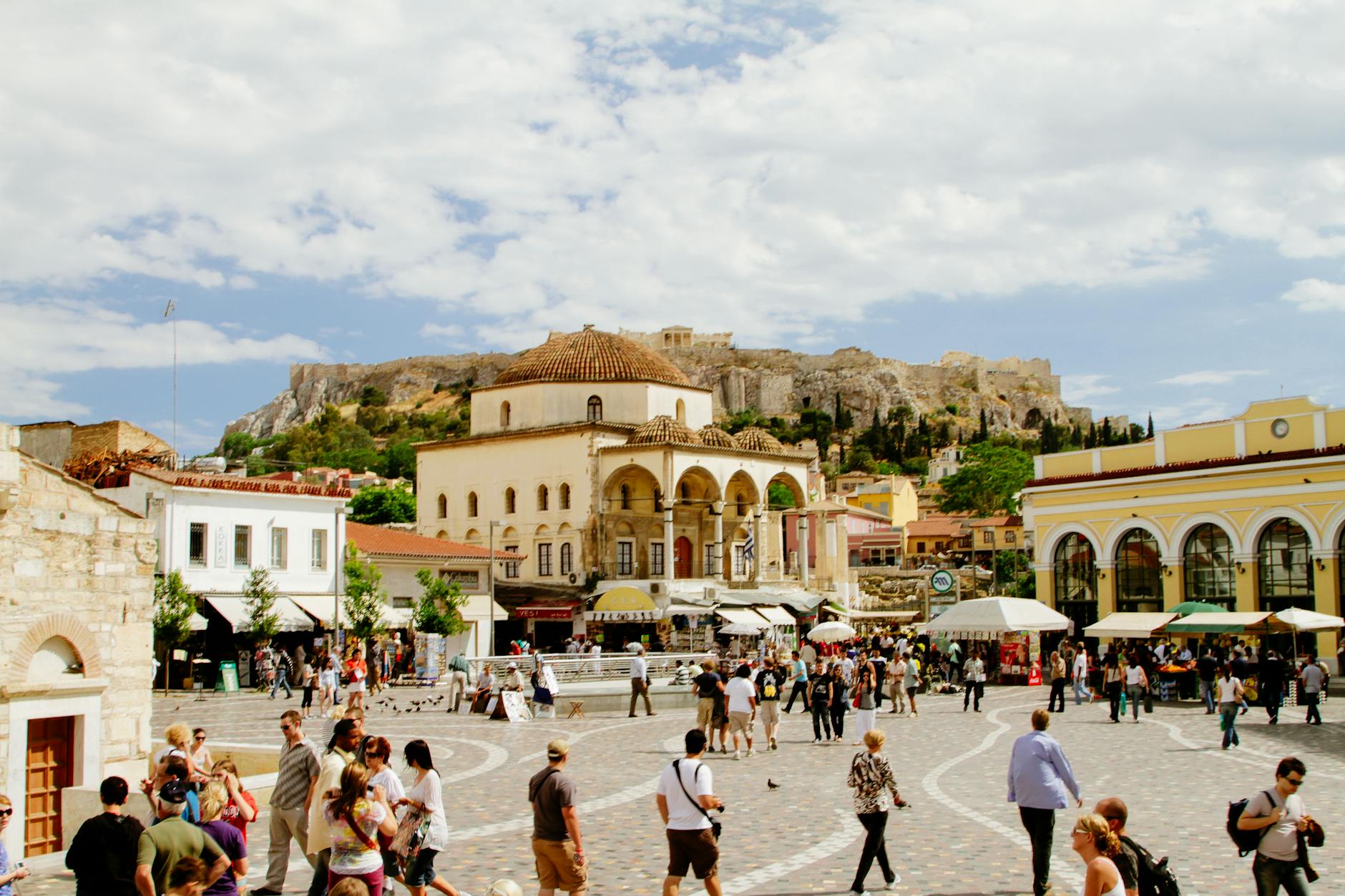
The Monastiraki flea market is the beating heart of Athens’ shopping scene and a must-visit for every visitor. The Sunday bazaar is centred on Avissinias Square, and Ifestou (Hephaestus) Street and the surrounding lanes fill with stalls. Opening days for the permanent shops vary.
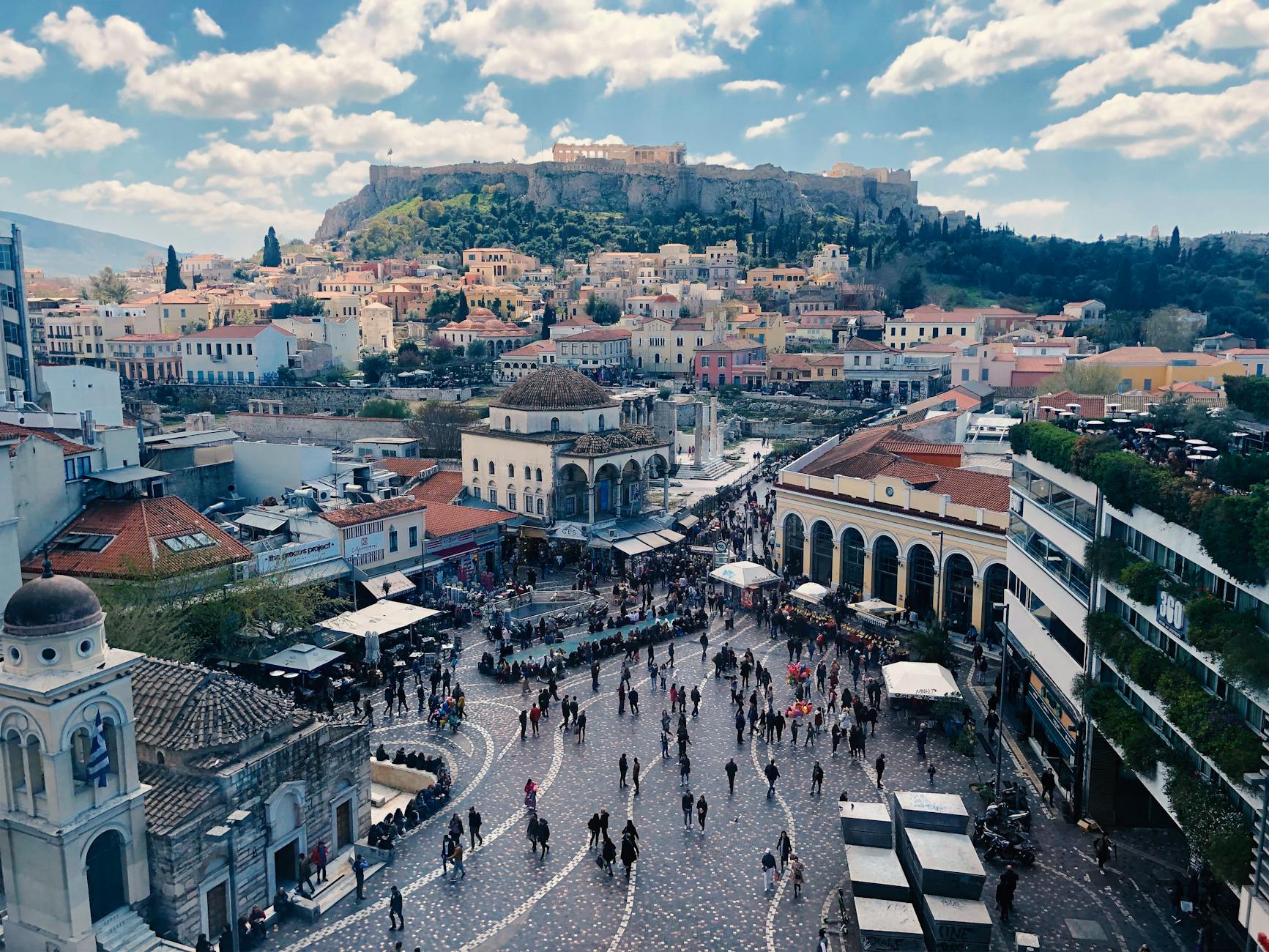
During the week, the permanent shops along Ifestou Street sell leather goods, vintage records and army surplus. On Sundays, the flea market expands dramatically as vendors set up tables and blankets along the streets, selling everything from antique furniture and vintage cameras to secondhand books and old coins. The antique dealers around Avissinias Square are the most serious vendors — this is where you’ll find genuine vintage treasures, from Ottoman-era copperware to mid-century Greek furniture.
Tips: Arrive before 10 AM on Sundays for the best selection and fewer crowds. Bargaining is expected at the flea market, especially for antiques and secondhand goods — start at 60–70% of the asking price and negotiate from there. Watch your belongings, as the crowded Sunday market is a favorite spot for pickpockets. The cafes around Avissinias Square are perfect for a coffee break between browsing sessions, with views of the Acropolis to boot.
Plaka and Pandrosou Street
Plaka, the historic neighborhood draped across the northern slope of the Acropolis, is Athens’ most charming shopping area. The pedestrianized streets — particularly Pandrosou, Kidathineon, and Adrianou — are lined with shops selling souvenirs, clothing, jewelry, ceramics, and Greek food products. While some shops sell generic tourist tat, many offer genuinely high-quality Greek products if you know what to look for.
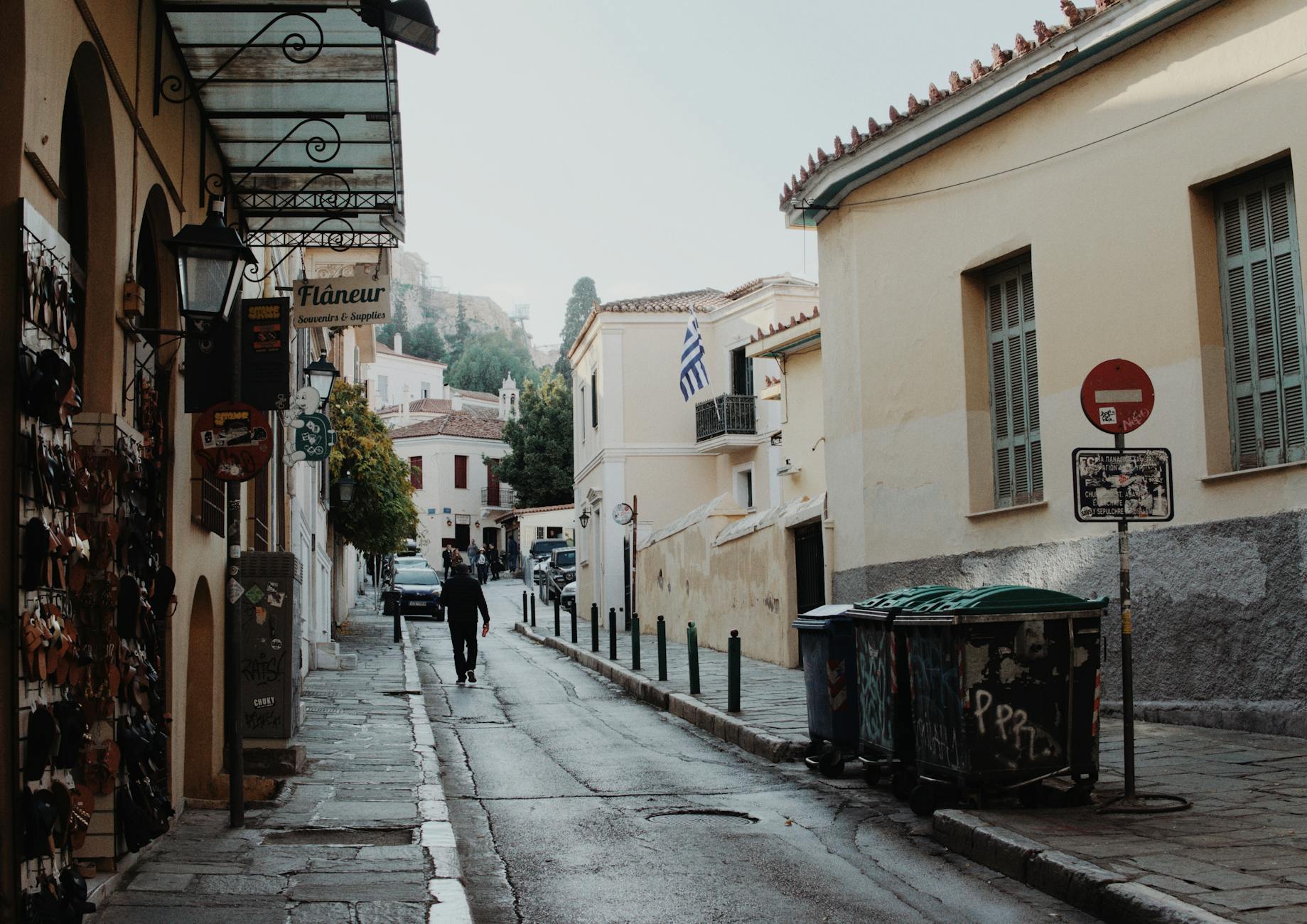
Pandrosou Street, running from Monastiraki Square into the heart of Plaka, is the most concentrated souvenir shopping street. Here you’ll find leather sandals, olive wood products, evil eye jewelry, Greek cosmetics, and traditional foodstuffs. The quality varies dramatically — look for shops that specialize in specific products rather than the ones that sell everything. The upper reaches of Plaka, around Anafiotika, have fewer shops but more authentic artisan workshops. After shopping, the restaurants and cafes of Plaka are perfect for a well-deserved break.
Ermou Street
Ermou Street is Athens’ main commercial shopping strip. The street runs about 1.5 kilometres from Syntagma Square to Kerameikos via Monastiraki, and its eastern shopping section is pedestrianised. This is where Athenians come for mainstream fashion, with international chains like Zara, H&M, Massimo Dutti, and Marks & Spencer alongside Greek fashion brands. It ranked 15th in Cushman & Wakefield’s 2025 global ranking of each country’s premier retail location by rent.
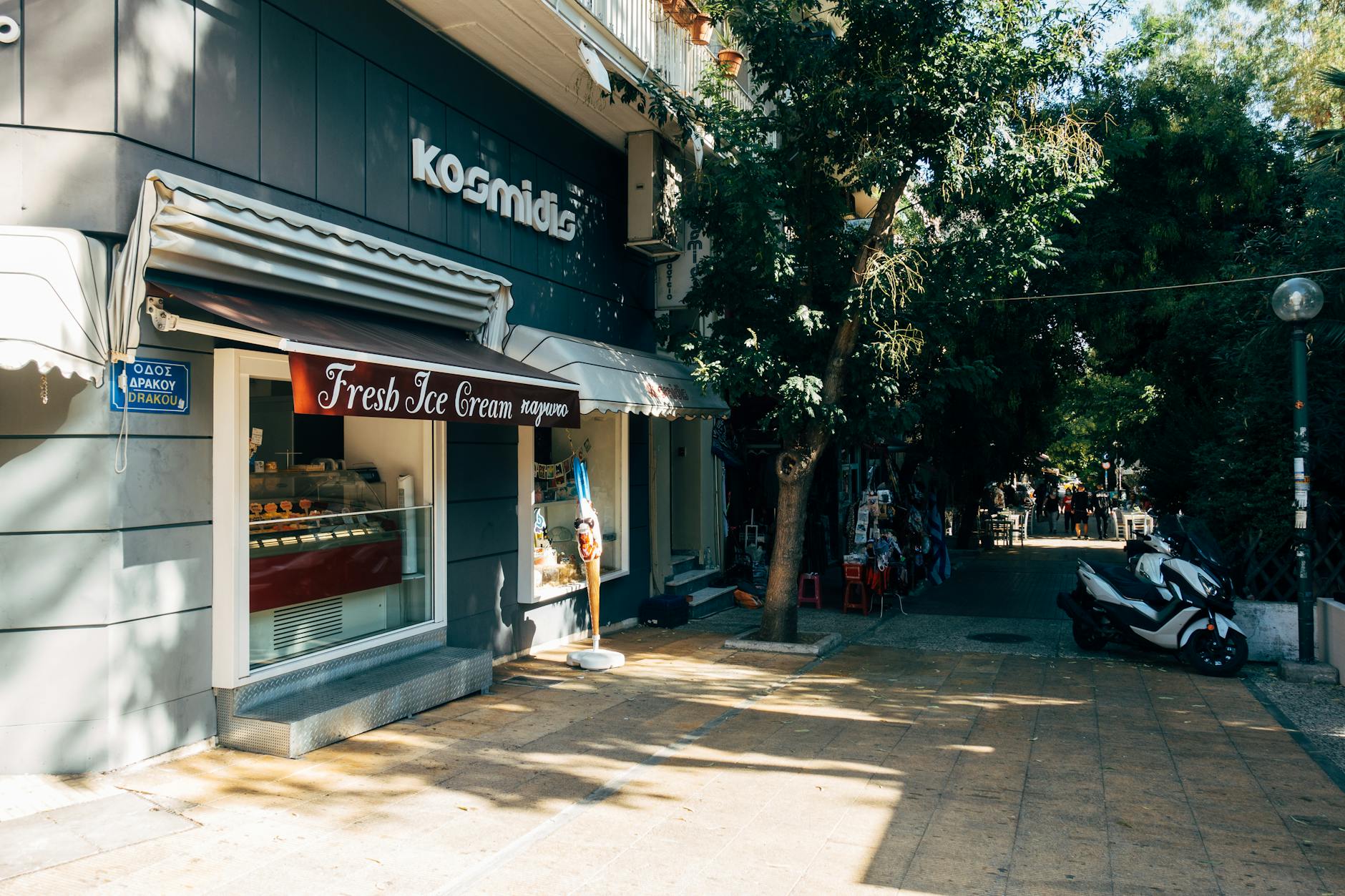
For visitors, Ermou is most useful for picking up everyday items — clothing, shoes, cosmetics, and accessories — at prices comparable to or slightly lower than other European capitals. The eastern end near Syntagma has the higher-end stores, while the western end toward Monastiraki becomes more eclectic. Side streets off Ermou, particularly around Kapnikarea church (one of Athens’ oldest Byzantine churches, beautifully incongruous amid the shops), hide interesting independent boutiques and concept stores.
Kolonaki — Luxury and Designer Shopping
If your shopping tastes run toward luxury brands and designer fashion, Kolonaki is your destination. This upscale neighbourhood at the foot of Lycabettus Hill is where affluent Athenians shop and socialise, and Greek designers have a presence here too.
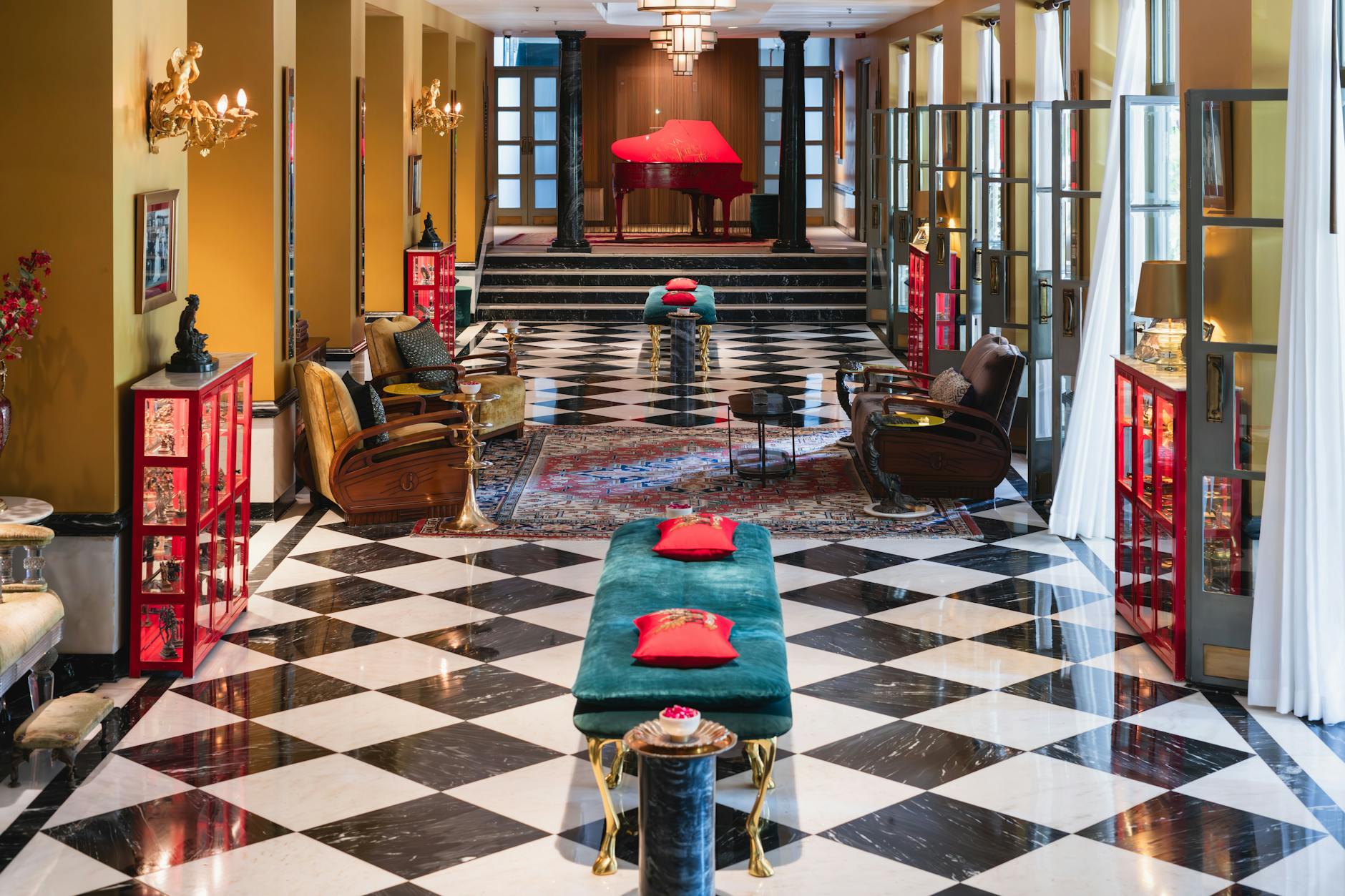
Beyond the international luxury brands, Kolonaki is also the best area for discovering high-end Greek fashion designers. Names like Zeus+Dione (modern clothing inspired by Greek mythology), Deux Hommes (contemporary menswear), and Ioanna Kourbela (architectural womenswear) have flagship stores here. Greek jewelry designers including Lalaounis (museum-worthy gold jewelry inspired by ancient Greek techniques) and Zolotas maintain boutiques in the area. Shopping in Kolonaki pairs perfectly with the neighborhood’s excellent wine bars and cafes.
Evripidou Street — The Spice Street
One of Athens’ most atmospheric shopping experiences, Evripidou Street near Omonia is where Athenians have been buying herbs, spices, dried fruits, nuts, and specialty ingredients for generations. Walking down this street is a sensory assault — the aroma of oregano, saffron, cinnamon, and mountain tea mingles with the sight of overflowing barrels of dried herbs, enormous wheels of cheese, and sacks of legumes from across Greece.
This is where you’ll find the best prices on Greek saffron (from Kozani — among the finest in the world), dried oregano, mountain tea (tsai tou vounou), and Greek honey. The shops here cater to locals rather than tourists, which means better prices and more authentic products. Several shops specialize in natural Greek cosmetics — olive oil soaps, face creams, and aromatherapy products made with Greek botanical ingredients.
Athens Central Market (Varvakios Agora)
The Athens Central Market on Athinas Street is not a souvenir shopping destination — it’s a working food market that provides a fascinating window into everyday Athenian life. The covered hall is divided between the fish market (one side) and the meat market (the other), with the surrounding streets hosting fruit, vegetable, olive, and cheese vendors.
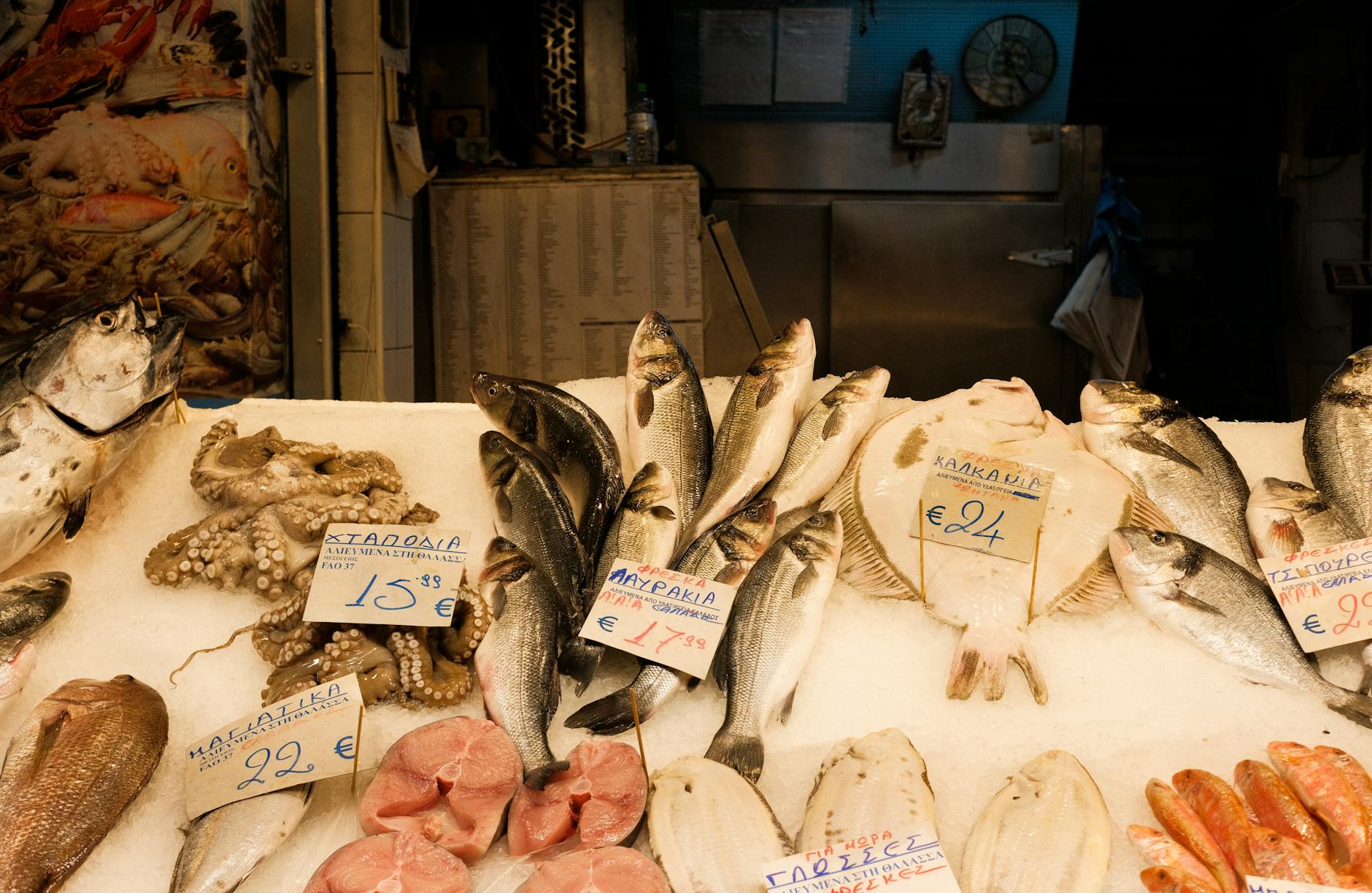
Even if you don’t buy anything, the market is worth visiting for the experience — the colors, sounds, and energy are quintessentially Mediterranean. If you’re staying in accommodation with a kitchen, the market is the best place to buy fresh ingredients at local prices. The small tavernas inside and around the market serve excellent food, particularly Epirus, a famous workers’ canteen inside the meat market known for soups such as patsas, which stays open 24 hours on Fridays and Saturdays from October until Easter.
What to Buy: The Best Greek Souvenirs
Skip the mass-produced keychains and fridge magnets. Athens offers genuinely distinctive souvenirs that capture the essence of Greek culture, craftsmanship, and culinary heritage. Here’s what’s actually worth buying — and where to find the best quality.
Olive Oil
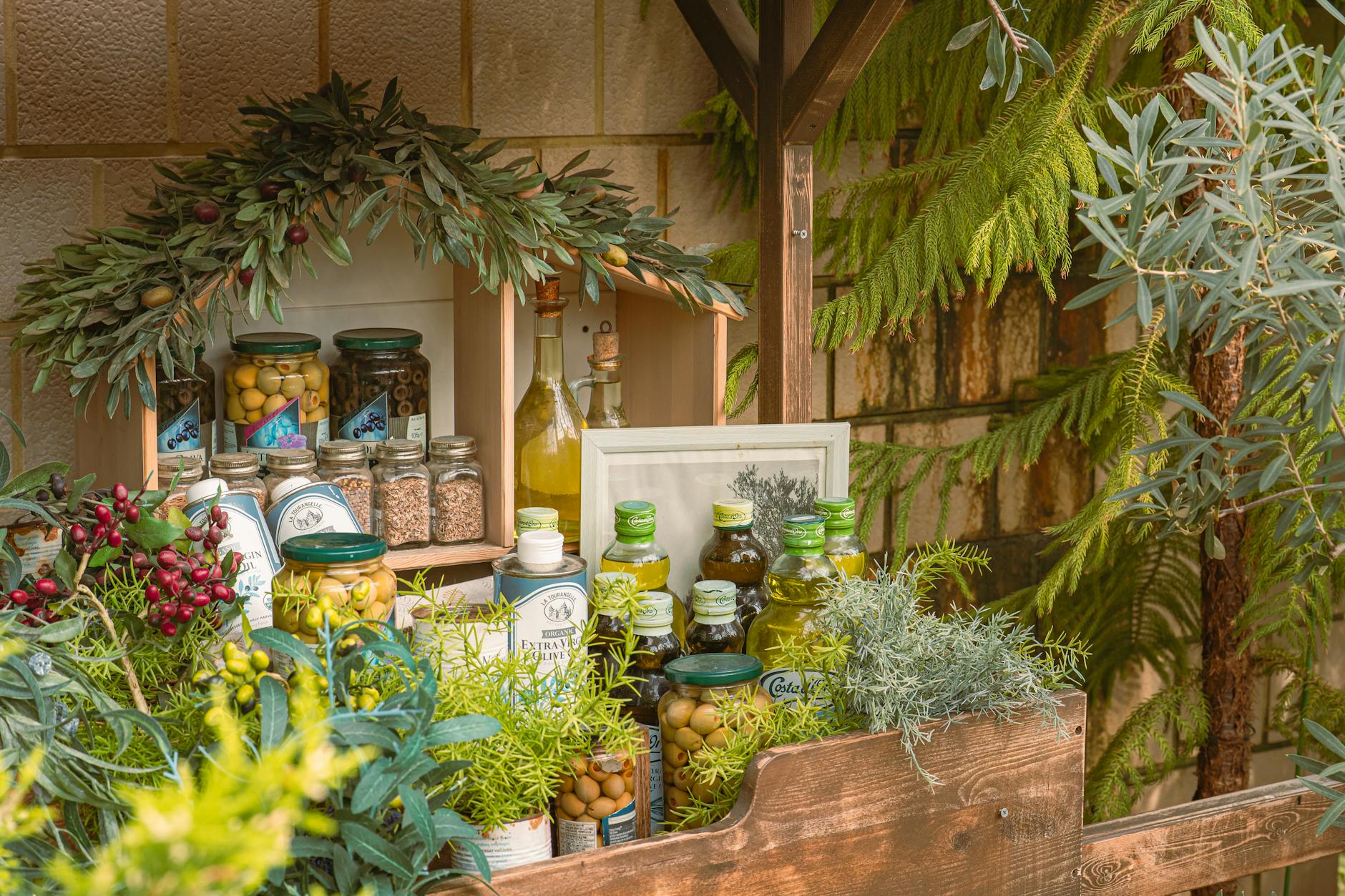
Greece produces some of the world’s finest olive oil, and buying a bottle (or several) is perhaps the most quintessential Greek souvenir. Look for extra virgin olive oil (EVOO) with a harvest date on the label — freshness matters. Greek varieties to look for include Koroneiki (the most common, with a peppery, fruity flavor) from the Peloponnese, and single-estate oils from Crete, Kalamata, and Lesbos.
Where to buy: Specialist olive oil shops in Plaka and on Evripidou Street offer tastings and expert guidance. Supermarkets (Sklavenitis, AB Vassilopoulos) stock excellent oils at lower prices. Avoid buying olive oil from generic souvenir shops — the quality is often poor and the prices inflated.
Leather Sandals
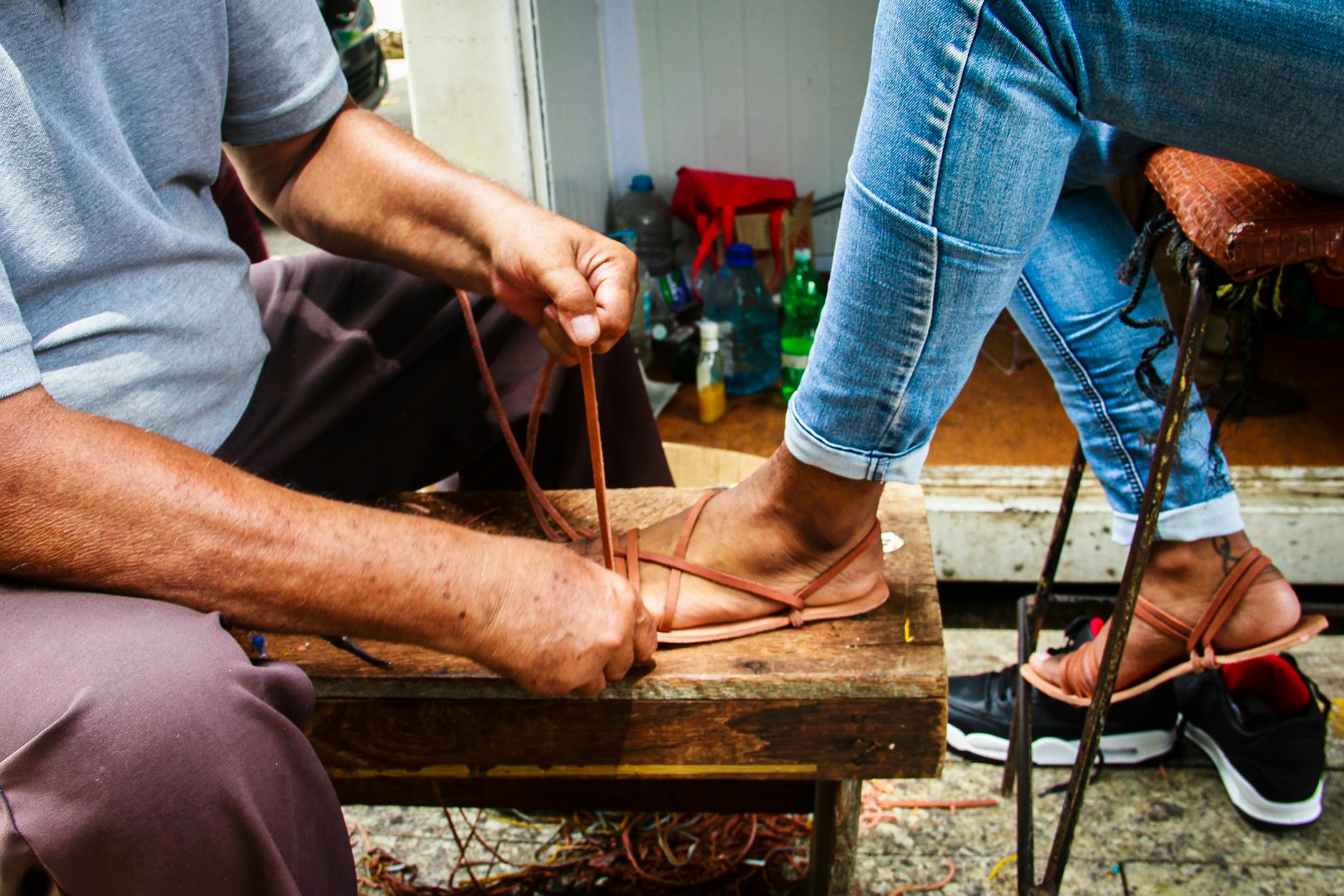
Handmade Greek leather sandals are a practical and beautiful souvenir that will last for years. The most famous sandal maker in Athens is Melissinos Art — The Poet Sandal Maker, a family workshop on Agias Theklas Street near Monastiraki that has been making custom sandals since the 1920s. Their sandals have been worn by celebrities from John Lennon to Sarah Jessica Parker.
Several other quality sandal shops operate in the Monastiraki and Plaka area. Look for shops where the sandals are actually made on-site — you can often watch the craftsmen at work. Genuine leather sandals will be supple and have a distinct leather smell. Avoid the very cheap sandals (under €15) sold at tourist stalls, which are often synthetic.
Greek Ceramics and Pottery
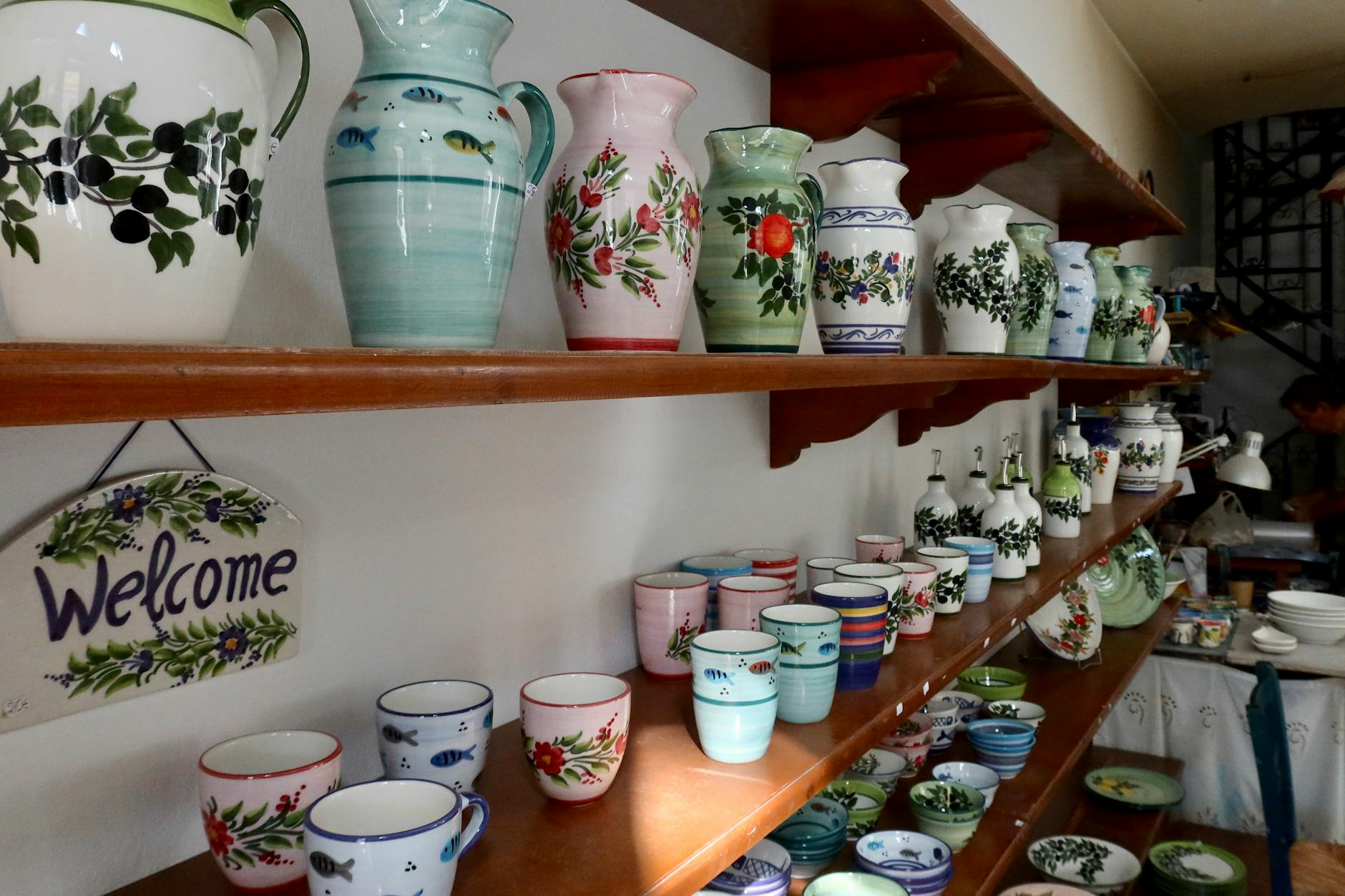
Greek ceramics range from inexpensive painted plates to museum-quality reproductions of ancient pottery. The best pieces are hand-painted with traditional motifs — geometric patterns, ancient Greek scenes, or blue-and-white island designs. Look for ceramics labeled “handmade in Greece” and check the bottom for the artisan’s signature or stamp.
For museum-quality reproductions, the gift shops at the National Archaeological Museum, the Acropolis Museum, and the Museum of Cycladic Art sell certified copies of ancient artifacts. These make exceptional gifts and are guaranteed authentic. On the more affordable end, the shops along Adrianou Street in Plaka sell decorative plates, cups, and tiles at reasonable prices — just be selective about quality.
Greek Jewelry

Greece has a jewelry-making tradition stretching back thousands of years, and Athens is packed with options, from simple evil eye bracelets to gold necklaces. The evil eye (mati) is the most popular motif — the blue glass eye charm believed to ward off bad luck. You’ll find it on bracelets, necklaces, earrings, keychains, and just about everything else. For quality evil eye jewelry, look for pieces made with glass rather than plastic, and precious metals rather than base metal.
For high-end Greek jewelry, the Lalaounis Jewelry Museum in Plaka is both a cultural attraction and a shopping destination — their gold pieces inspired by ancient Greek goldsmiths are wearable works of art. Other respected Greek jewelers include Zolotas (ancient-inspired gold jewelry), Folli Follie (contemporary fashion jewelry), and numerous independent designers with ateliers in Kolonaki and Psyrri.
Greek Food Products
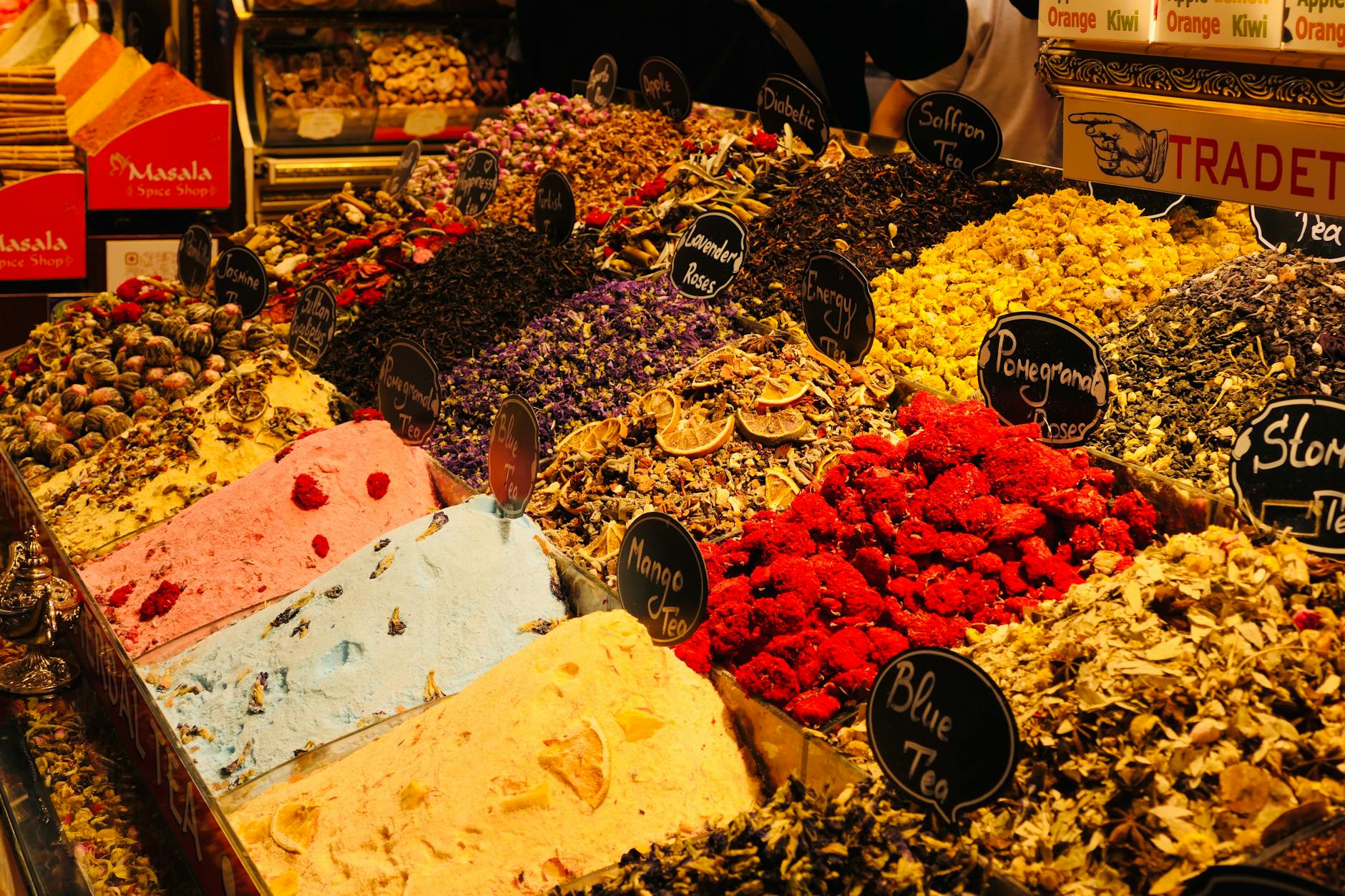
Beyond olive oil, Greece produces an extraordinary range of food products that make perfect souvenirs. Greek honey — particularly thyme honey from the Aegean islands and pine honey from the mainland — is among the finest in the world. Look for unprocessed, raw honey sold in glass jars. Greek herbs — oregano, mountain tea, saffron from Kozani — are dramatically better than what you’ll find in supermarkets at home. Mastiha — the aromatic resin from mastic trees on Chios island — is available as a liqueur, chewing gum, sweets, and in cosmetics. Greek sweets — loukoumi (Greek delight), pasteli (sesame-honey bars), and baklava — travel well and make popular gifts.
Where to buy: The shops on Evripidou Street and around the Central Market offer the best prices and widest selection. Specialty food shops like Pantopolion and Yoleni’s in the center curate high-quality Greek products in gift-ready packaging. For more on Greek food culture, see our comprehensive dining guide.
Other Notable Souvenirs
Komboloi (worry beads): These traditional Greek fidget tools come in every material from plastic to amber and semi-precious stones. The best selection is at specialist shops in Monastiraki. Greek cosmetics: Olive oil-based soaps, face creams, and beauty products from brands like Korres (which started as an Athens pharmacy) and Apivita (bee-based products) are excellent quality and often cheaper in Athens than abroad. Books and prints: The bookshops around Monastiraki sell beautiful photography books about Greece, vintage maps, and reproduction prints of ancient Greek art. Ouzo and tsipouro: Greece’s national spirits make distinctive gifts — look for small-batch producers rather than the mass-market brands.
Antique and Vintage Shopping
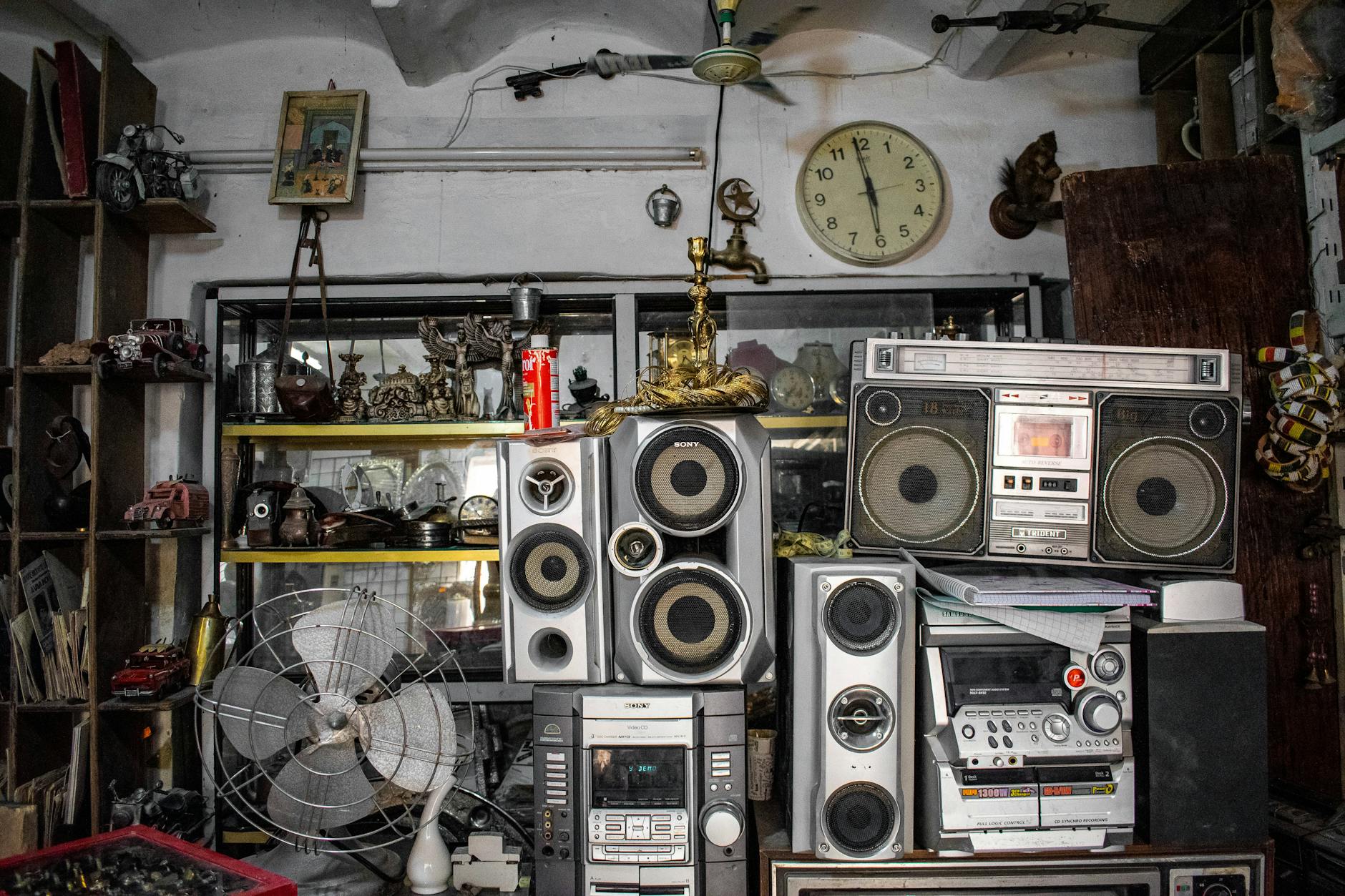
Athens is a surprisingly rewarding city for antique hunters. The concentration of antique dealers around Avissinias Square in Monastiraki is the starting point, with shops specializing in everything from Byzantine icons and Ottoman-era metalwork to mid-century modern furniture and vintage Greek movie posters. The Sunday flea market adds dozens more vendors with more eclectic (and affordable) offerings.
Beyond Monastiraki, Psyrri also has vintage and second-hand shops. Kolonaki has higher-end antique galleries specializing in fine art and period furniture. Exporting protected cultural objects from Greece needs authorisation from the Ministry of Culture, and there is no simple age cut-off, so ask the Ministry about a specific object before you buy it.
Modern Greek Design and Fashion
Athens has emerged as one of Europe’s most exciting design cities, and shopping for contemporary Greek fashion, homewares, and design objects is increasingly popular with visitors. The city’s young designers blend ancient Greek aesthetics with modern sensibilities, creating products that are distinctly Greek yet thoroughly contemporary.
The neighborhoods of Psyrri and Metaxourgeio have become hubs for independent Greek designers. Concept stores like Forget Me Not (curating Greek design across fashion, jewelry, and homewares) and Ileana Makri (contemporary Greek jewelry) showcase the best of the new generation. For Greek fashion, look for Ancient Greek Sandals, whose collections include both classic and new designs. These make for more meaningful souvenirs than anything you’ll find on Pandrosou Street — and they support the local creative economy.
Practical Shopping Tips
Shopping Hours
Athens shopping hours can be confusing for visitors. Opening hours vary from shop to shop, so check the hours of any place you plan a special trip to. On Sundays most shops are closed, except in tourist areas (Plaka, Monastiraki) and at the Sunday flea market.
However, shops in major tourist areas (Ermou, Plaka, Monastiraki) increasingly stay open all day and on Sundays. Shopping malls operate daily including Sundays.
Bargaining
Bargaining is expected at the Monastiraki flea market (especially on Sundays), at antique shops, and at market stalls. It is not expected or appropriate at fixed-price shops, boutiques, department stores, or supermarkets. When bargaining, be friendly and respectful — aggressive tactics don’t work well in Greece. A polite “Is that your best price?” is the place to start.
VAT Refunds
Non-EU residents can claim a VAT refund on purchases over €50 from a single store. The standard Greek VAT rate is 24%, but the refund you receive is smaller, because the refund service deducts its fees. Look for shops displaying “Tax Free” signs, ask for a tax-free form at the time of purchase, and present your goods, receipts, and forms at the customs desk at the airport before check-in. Processing is available through services like Global Blue and Planet Tax Free. Keep your purchases unused and in their original packaging until you’ve cleared customs.
What to Avoid
A few shopping pitfalls to watch out for: Fake “ancient” artifacts sold as genuine antiquities — real antiquities cannot be legally sold or exported. Overpriced olive oil in fancy bottles at tourist shops — the same quality is available at supermarkets for a fraction of the price. Mass-produced “Greek” products made in China — check labels and ask about origins. Street vendors selling counterfeit designer goods — buying counterfeits is illegal in Greece and can result in fines for buyers.
Getting Your Purchases Home
Liquids (olive oil, wine, ouzo) must go in checked luggage if flying. Pack bottles in ziplock bags and wrap in clothing for protection. Ceramics and fragile items should be wrapped carefully — ask the shop for bubble wrap or newspaper. Many specialty shops will package items for shipping if you’re buying large or heavy items. The Greek postal service (ELTA) is reliable for shipping within Europe, though DHL and FedEx are faster for international shipments. If you’re taking public transport around Athens, consider doing your shopping last to avoid carrying bags all day.
Shopping Malls
Athens has several modern shopping malls that offer air-conditioned comfort and extended hours — particularly useful during the hot summer months or on Sundays when street shops may be closed.
The Mall Athens (Maroussi) — It calls itself Greece’s largest shopping and entertainment centre, with international brands, a cinema and a food court. Accessible by metro (Neratziotissa station). Golden Hall (Maroussi) — Adjacent to The Mall, focusing on premium and luxury brands. Athens Metro Mall (Agios Dimitrios) — Conveniently located above the Agios Dimitrios metro station, with a good mix of mid-range brands and a supermarket. McArthurGlen Designer Outlet Athens (Spata, near the airport) — Discounted designer brands, useful for a pre-flight shopping spree.
Neighborhood Shopping Guide
Each Athens neighborhood has its own shopping personality. Here’s a quick summary to help you decide where to focus your time based on what you’re looking for.
Monastiraki: Flea market, antiques, vintage goods, leather, souvenirs. Plaka: Souvenirs, ceramics, jewelry, sandals, tourist-oriented shops with some genuine artisan gems. Ermou Street: Mainstream fashion chains, shoes, accessories, cosmetics. Kolonaki: Luxury brands, Greek designer fashion, high-end jewelry, art galleries. Psyrri: Independent designers, concept stores, vintage clothing, street art prints. Evripidou/Central Market: Herbs, spices, food products, natural cosmetics. Exarchia: Bookshops, new and used records, second-hand clothes. Glyfada: Suburban shopping with a mix of international and Greek brands, best reached via the tram from central Athens.
For more on exploring Athens’ diverse neighborhoods, their character and things to do in each area, check out our dedicated guides. And when your feet need a rest from all that shopping, our where to stay guide can help you find accommodation close to your preferred shopping zones.
More Athens Shopping Guides
Where to find each category of Greek goods: