This article contains advertising. Some of the hotel, tour, activity, flight and transfer links in it are paid links: if you book through one, we get a commission from the booking company, and your price is the same either way. It never affects what we recommend. Affiliate disclosure
Athens is a city of neighborhoods, each with its own distinct personality, rhythm, and soul. From the ancient cobblestones of Plaka to the rebellious street art of Exarchia, from the polished boutiques of Kolonaki to the waterfront cafés of Glyfada, understanding Athens’ neighborhoods is key to unlocking the city’s true character. This Athens neighborhoods guide takes you beyond the tourist highlights and into the living, breathing quarters where Athenians work, eat, drink, and play.
One of Athens’ great pleasures is that you can cross invisible borders between neighborhoods in minutes, each transition bringing a dramatic change in atmosphere. A 10-minute walk takes you from high-end Kolonaki to alternative Exarchia, from bustling Monastiraki to serene Anafiotika. This guide covers every major Athens neighborhood, their character, what to see and do in each, and which area suits different travel styles and interests.
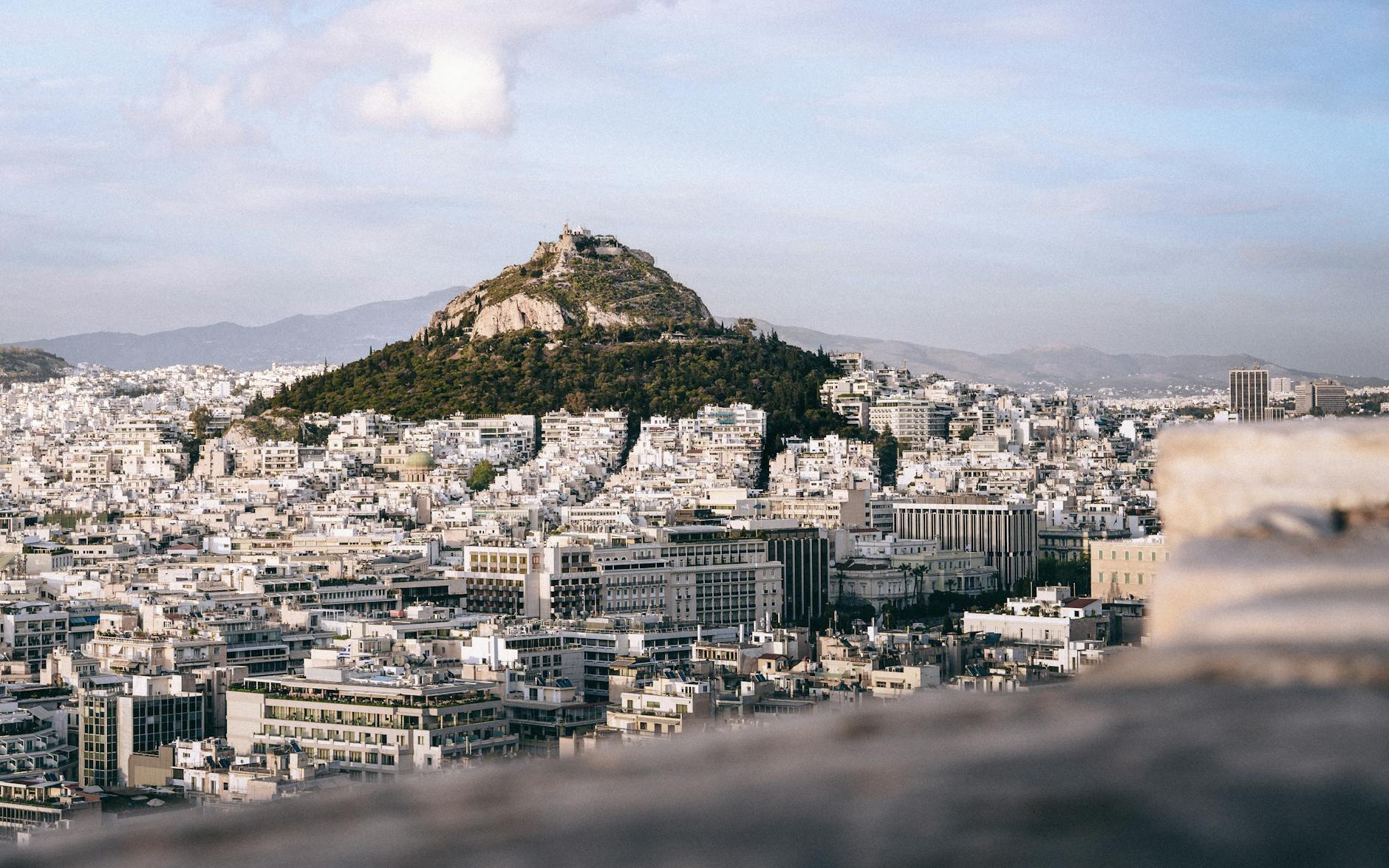
Plaka — The Neighborhood of the Gods
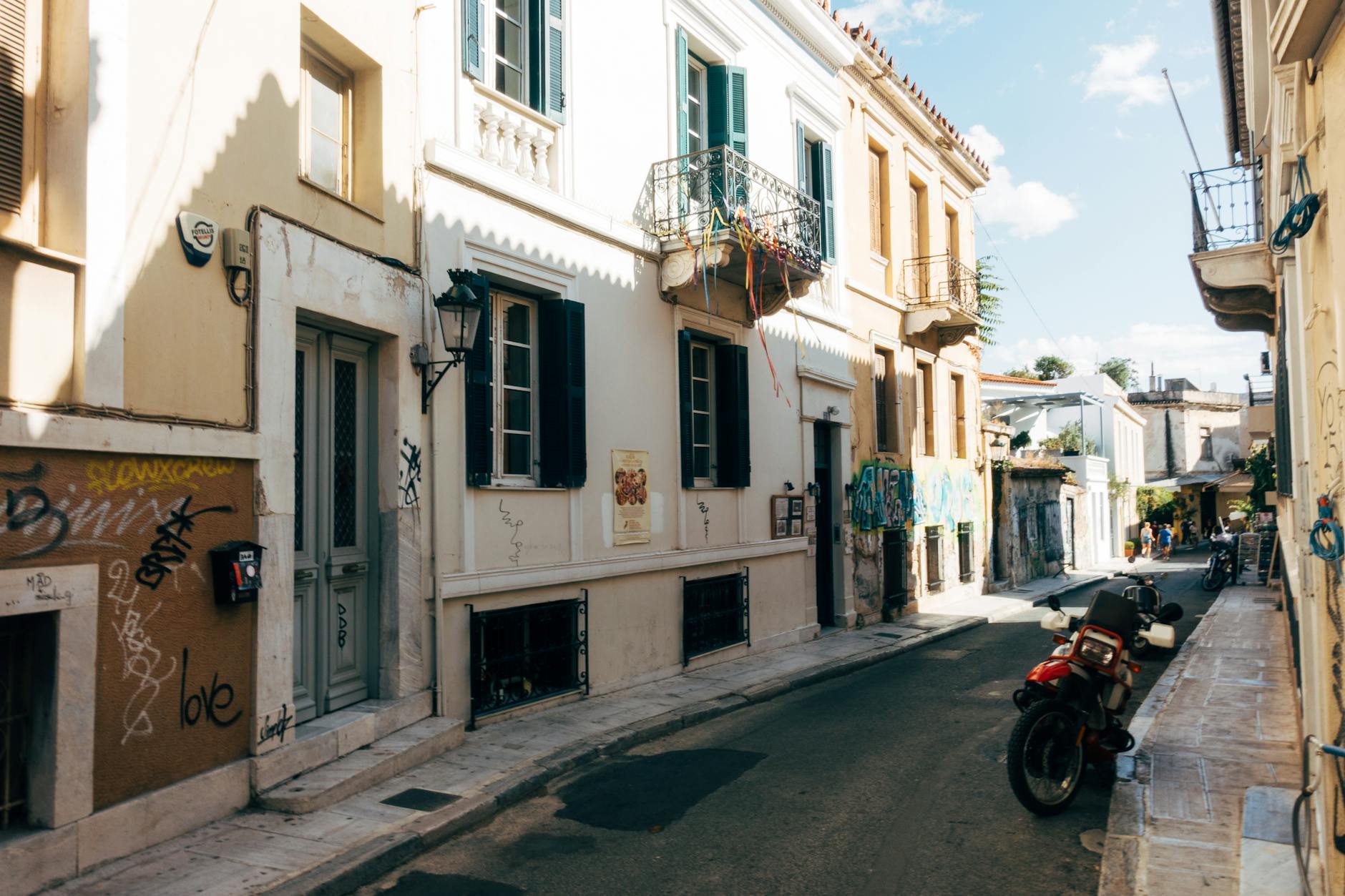
Plaka is the oldest continuously inhabited neighborhood in Athens — a labyrinth of cobblestone streets, neoclassical houses with painted shutters, and bougainvillea-draped terraces cascading down the northern slope of the Acropolis. Known as the “Neighborhood of the Gods” for its proximity to the ancient temples above, Plaka has been the heart of Athens since antiquity.
Character: Charming, touristy, and undeniably beautiful. Plaka caters heavily to visitors with souvenir shops, tourist restaurants, and guided tour groups, but its architectural beauty and historic atmosphere are genuine. The upper reaches toward Anafiotika are quieter and more authentic.
What to see and do: Wander the pedestrianized streets of Kidathineon and Adrianou. Visit the Museum of Greek Folk Art and the Lalaounis Jewelry Museum. Shop for leather sandals and ceramics on Pandrosou Street. Dine at a rooftop restaurant with Acropolis views. Explore the Byzantine churches tucked into side streets. For dining suggestions, check our food guide.
Best for: First-time visitors, history lovers, romantic getaways, and anyone who wants to be in the most classically beautiful part of Athens.
Where to stay: Browse hotels and apartments in Plaka, the old quarter below the Acropolis.
Anafiotika — A Hidden Island in the City
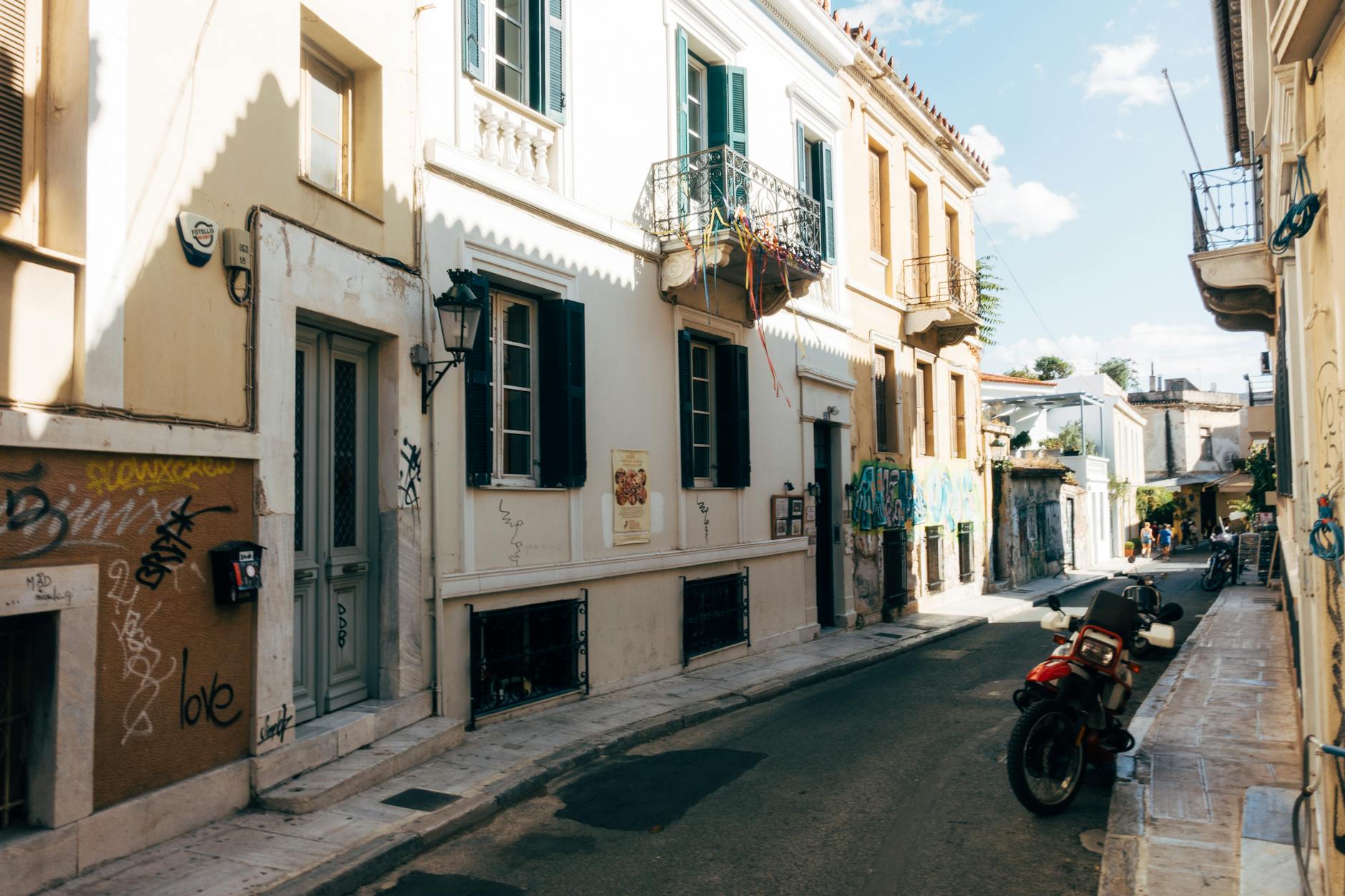
Tucked into the northeastern slope of the Acropolis, Anafiotika is a tiny village-within-a-city that feels like stepping onto a Cycladic island. Built by workers from the island of Anafi who came to Athens in the 1840s to work on King Otto’s palace, they recreated their island village on the hillside — whitewashed houses, narrow passages barely wide enough for two people, blue-painted doors, and cascading flowers.
Character: Magical, hidden, and photogenic. Only about 45 of the original houses remain, inhabited by descendants of the original builders. The neighborhood is car-free, quiet, and feels like a secret — most tourists walk right past the entrances without noticing them.
What to see and do: Simply wander. Get lost in the narrow alleys, pet the dozens of friendly cats, photograph the blue doors and whitewashed walls against the sky, and find the viewpoints looking out over the city. The Church of Agios Georgios tou Vrachou, perched on the rock, is a tiny gem.
Best for: Photographers, couples, and anyone seeking a quiet escape from the bustling city below. Particularly wonderful with kids who love the labyrinth-like exploration.
Monastiraki — The Market Heart of Athens
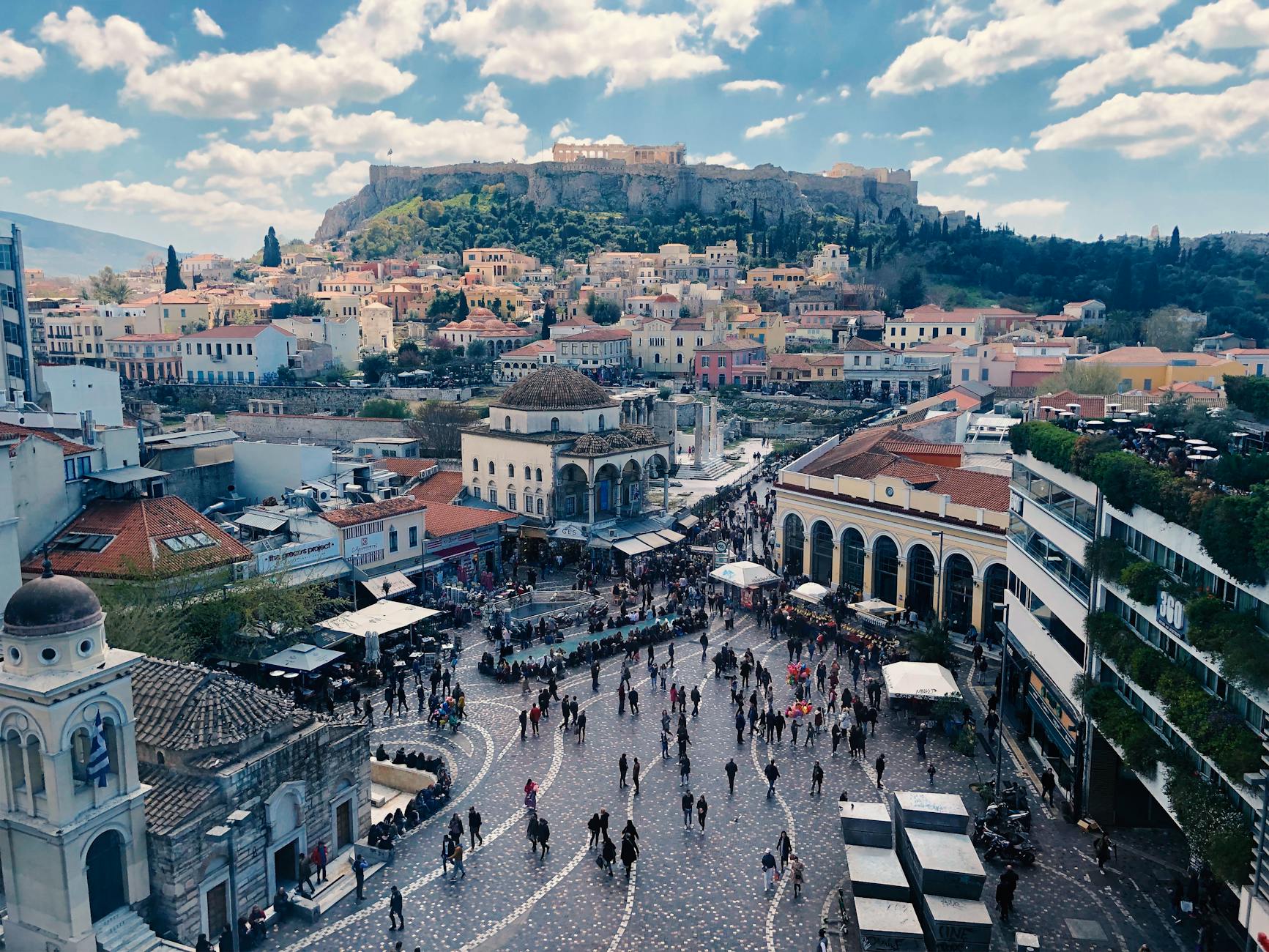
Monastiraki is Athens at its most energetic — a sensory overload of flea market stalls, street musicians, grilled meat aromas, and crowds flowing in every direction. Centered around Monastiraki Square with its landmark Tzistarakis Mosque, the neighborhood is the commercial and cultural crossroads of the city, where tourist Athens meets real Athens.
Character: Chaotic, vibrant, and endlessly interesting. Monastiraki is loud, crowded, and alive at all hours. The Sunday flea market transforms the streets into a sprawling bazaar of antiques, vintage goods, and curiosities. The area around Avissinias Square has a grittier, more authentic feel.
What to see and do: Browse the flea market on Ifestou Street, especially on Sundays. Visit the Ancient Agora and Roman Forum nearby. Eat souvlaki at one of the legendary stands. Explore the vintage record shops. Watch the sunset from a rooftop bar overlooking the Acropolis — A for Athens is a classic choice.
Best for: Market lovers, bargain hunters, people-watchers, and travelers who thrive on urban energy.
Psyrri — Street Art and Nightlife
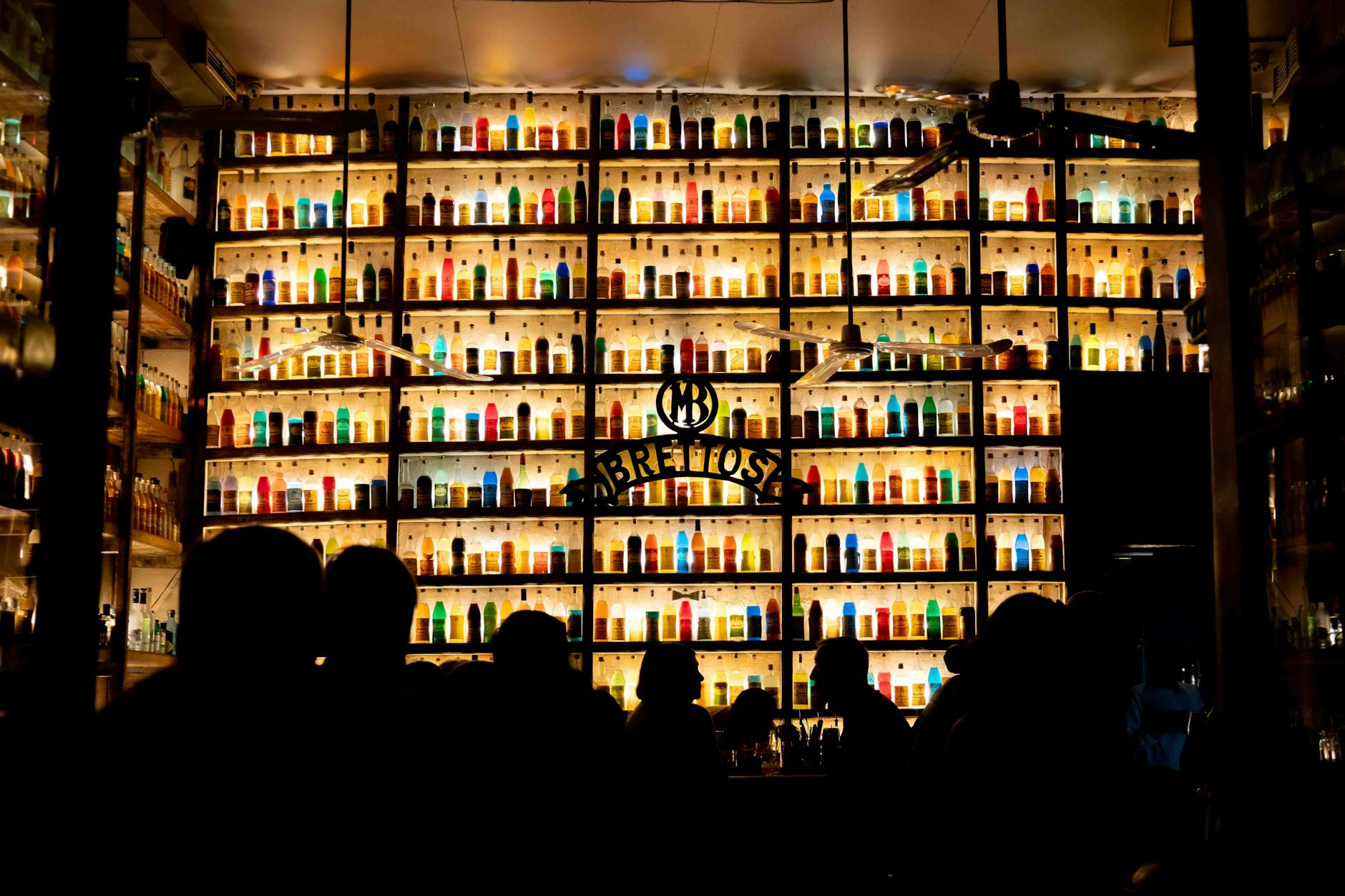
Psyrri (also spelled Psiri or Psyrri) is Monastiraki’s grungier, more creative neighbor — a former warehouse and workshop district that has been transformed into one of Athens’ most exciting nightlife and dining neighborhoods. By day, its quiet streets reveal stunning murals and street art on nearly every wall. By night, the narrow lanes fill with Athenians heading to bars, live music venues, and mezedopolia (small-plate restaurants).
Character: Artsy, nocturnal, and constantly evolving. Psyrri walks the line between gentrification and authenticity — traditional workshops and leather craftsmen still operate alongside trendy cocktail bars and concept stores. The fairy-tale-themed café Little Kook on Pittaki Street, with its extravagant seasonal decorations, is a neighborhood landmark that kids especially love.
What to see and do: Take a street art walking tour. Dine at a mezedopolio on Iroon Square. Browse independent design shops. Experience the nightlife scene — from craft cocktail bars to rembetiko (Greek blues) music clubs. Visit the Athens Central Market on the eastern border.
Best for: Night owls, art lovers, foodies, and travelers who want a local-feeling area that’s still central and walkable.
Syntagma — The Political and Commercial Center
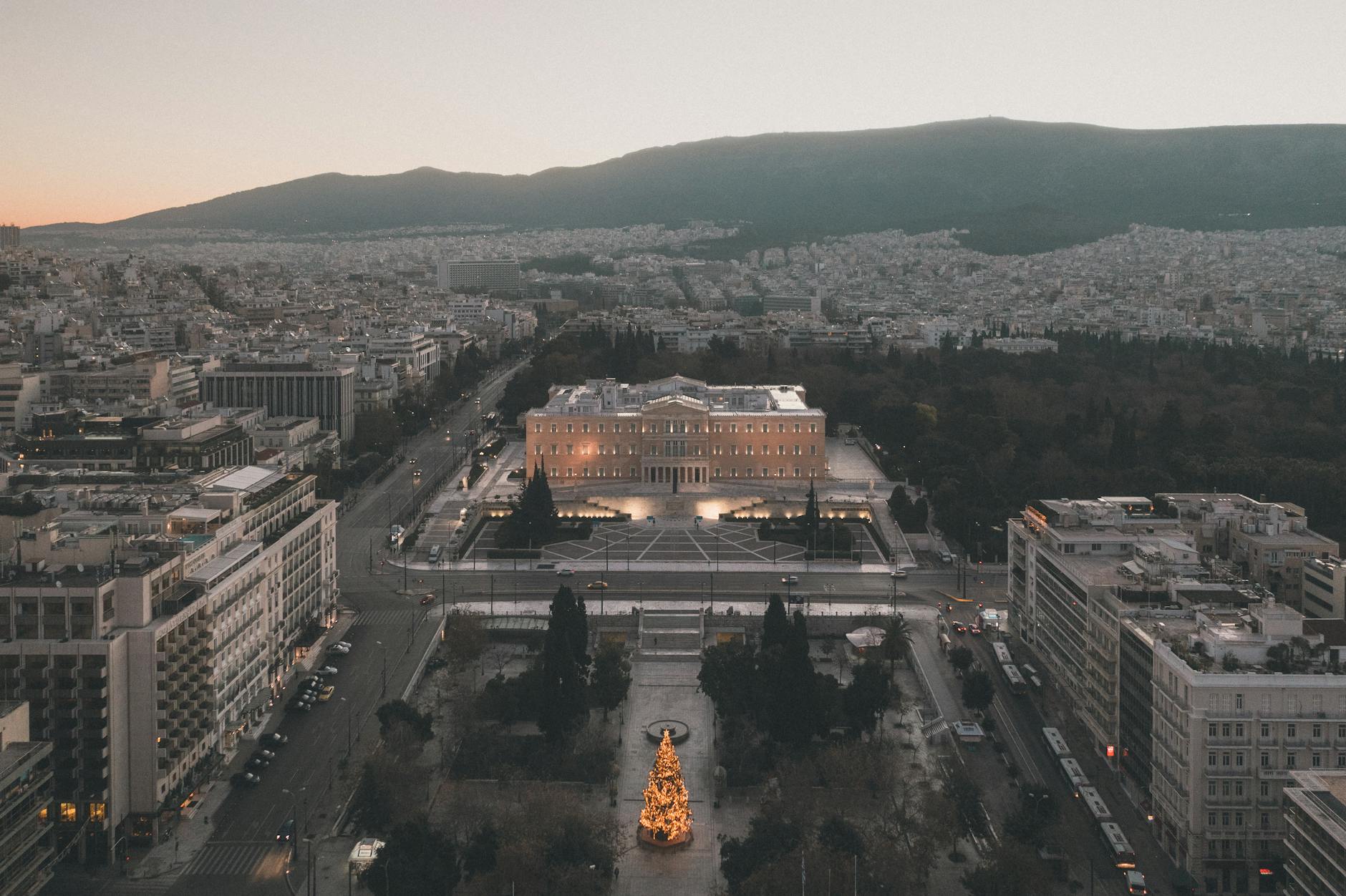
Syntagma (Constitution) Square is the political heart of modern Athens — home to the Greek Parliament building (the former Royal Palace) and the Tomb of the Unknown Soldier, guarded around the clock by the Evzones in their distinctive traditional uniforms. The changing of the guard ceremony, held every hour and in an elaborate version on Sundays at 11 AM, is one of Athens’ most popular spectacles.
Character: Grand, busy, and practical. Syntagma is more a transportation and commercial hub than a neighborhood with soul, but it’s unmatched for convenience — the metro station connects to the airport, and Ermou Street, Athens’ main shopping strip, begins here.
What to see and do: Watch the changing of the guard. Walk down Ermou Street for mainstream shopping. Explore the National Garden behind the Parliament. Have coffee at one of the grand cafés on the square. Start a walking tour — Syntagma is a natural starting point for exploring in any direction.
Best for: Convenience-focused travelers, business visitors, and those who want maximum transport connectivity.
Kolonaki — Upscale Elegance

Kolonaki is Athens’ most upscale neighborhood — a hillside enclave of designer boutiques, art galleries, gourmet restaurants, and impeccably dressed Athenians sipping espresso at elegant café terraces. Stretching up the western slope of Lycabettus Hill, Kolonaki has been the address of choice for Athens’ wealthy and fashionable since the 19th century.
Character: Polished, expensive, and cultured. Kolonaki feels like a different city from Monastiraki or Exarchia — quieter, more manicured, with a distinctly European cosmopolitan feel. The central square, Plateia Kolonakiou, is the quintessential Athenian people-watching spot.
What to see and do: Shop on Voukourestiou and Tsakalof streets. Visit the Benaki Museum, Museum of Cycladic Art, and Byzantine Museum. Take the Lycabettus funicular for panoramic views. Dine at upscale Greek restaurants. Browse the art galleries along Skoufa Street.
Best for: Luxury travelers, museum enthusiasts, fashion lovers, and those who appreciate refined dining and culture.
Exarchia — Athens’ Alternative Soul
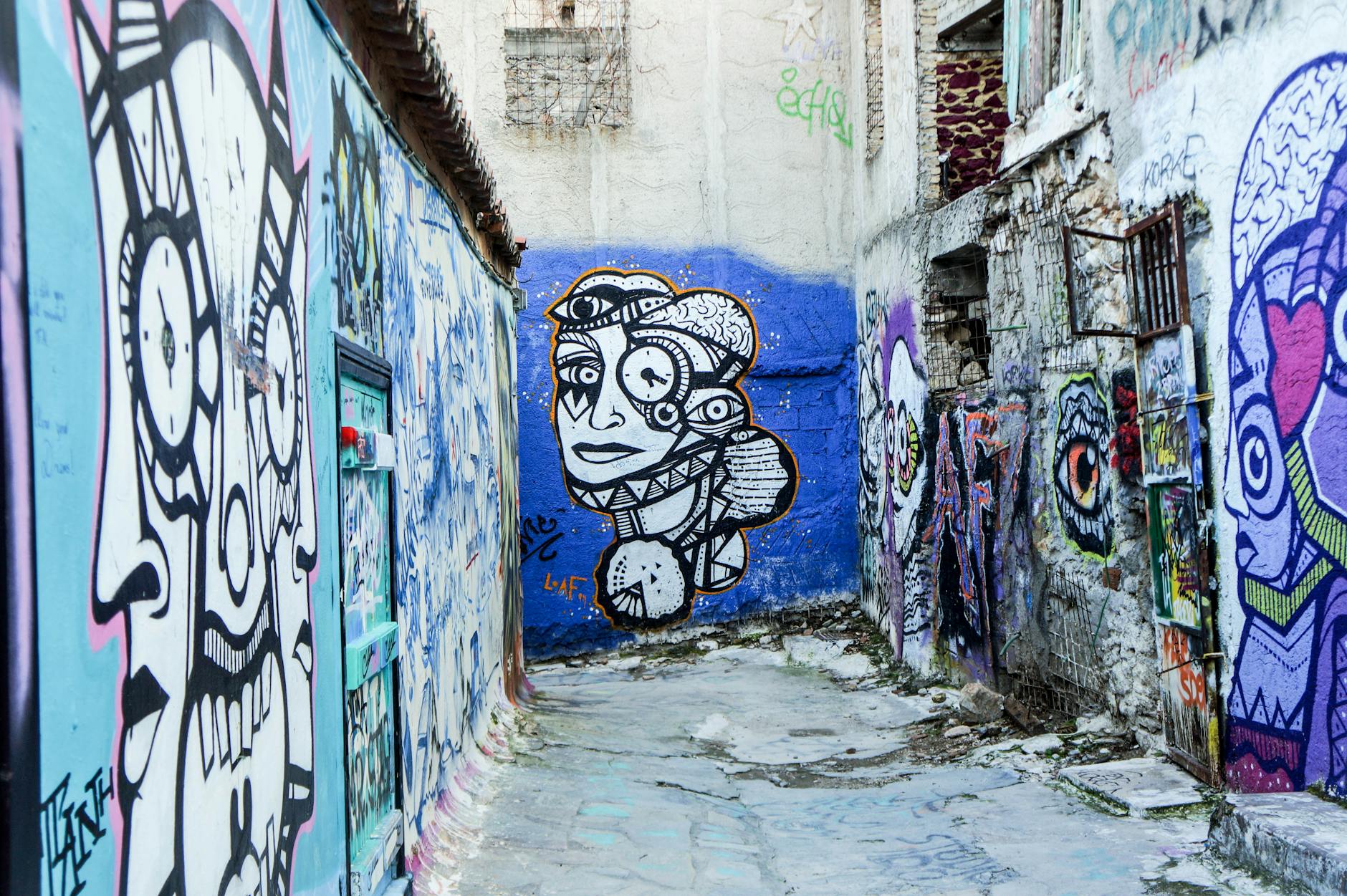
Exarchia is Athens’ most politically charged and culturally vibrant neighborhood — the epicenter of Greek counterculture since the 1970s. This bohemian quarter, centered around the National Technical University (Polytechnic), is where students, artists, intellectuals, and anarchists coexist in a uniquely Athenian blend of political activism and creative energy. Nearly every surface is covered in street art, political slogans, and murals.
Character: Raw, intellectual, and politically engaged. Exarchia has the cheapest and most authentic tavernas in central Athens, the best independent bookshops and record stores, and a live music scene that ranges from rembetiko to punk rock. It’s scruffy, opinionated, and fascinating — the anti-Kolonaki in every way.
What to see and do: Explore the street art (some of the best in Europe). Eat at the incredible tavernas around Exarchia Square — portions are huge and prices are the lowest in the center. Browse the secondhand bookshops and vinyl record stores. Visit the National Archaeological Museum on the neighborhood’s western edge. Experience the live music scene at clubs and intimate venues. The Saturday farmers’ market on Kallidromiou Street is one of Athens’ best.
Best for: Budget travelers, street art enthusiasts, music lovers, foodies seeking authentic tavernas, and anyone interested in Athens’ political and countercultural side.
Koukaki and Makrigianni — The Local Favorites
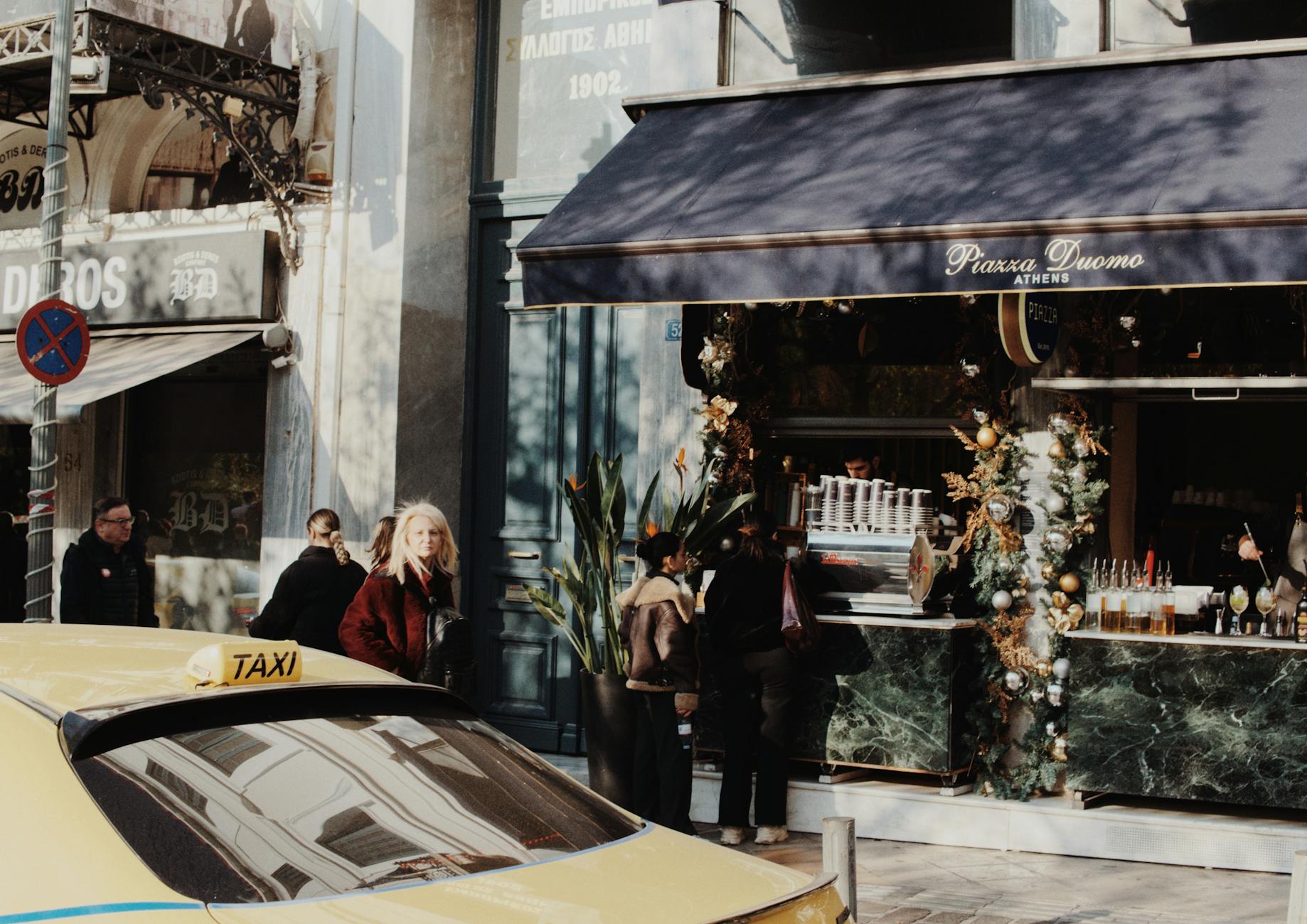
Koukaki and the adjacent Makrigianni area have emerged as many locals’ favorite part of Athens — and increasingly, the choice of well-informed visitors too. Sitting just south of the Acropolis and Filopappou Hill, these neighborhoods offer the perfect blend: walking distance to all the major sights, excellent restaurants and cafés, a genuine residential atmosphere, and prices that are noticeably lower than Plaka or Syntagma.
Character: Trendy, livable, and welcoming. Koukaki has evolved from a quiet working-class neighborhood into one of Athens’ trendiest areas, with specialty coffee shops, natural wine bars, and creative restaurants popping up alongside traditional bakeries and corner kiosks. Makrigianni, closer to the Acropolis Museum, is slightly more tourist-oriented but still feels distinctly local.
What to see and do: Walk the Dionysiou Areopagitou promenade — Athens’ most beautiful pedestrian street, running beneath the Acropolis. Climb Filopappou Hill for sunset views (less crowded than Areopagus). Visit the Acropolis Museum. Explore the café scene on Veikou and Drakou streets. Dine at neighborhood tavernas that serve excellent food at local prices. For accommodation options here, see our where to stay guide.
Best for: Our top recommendation for most visitors — couples, families, and anyone who wants to experience Athens like a local while remaining close to all the sights.
Where to stay: Browse hotels and apartments in Koukaki, close to the Acropolis Museum.
Pangrati — The Foodie’s Neighborhood
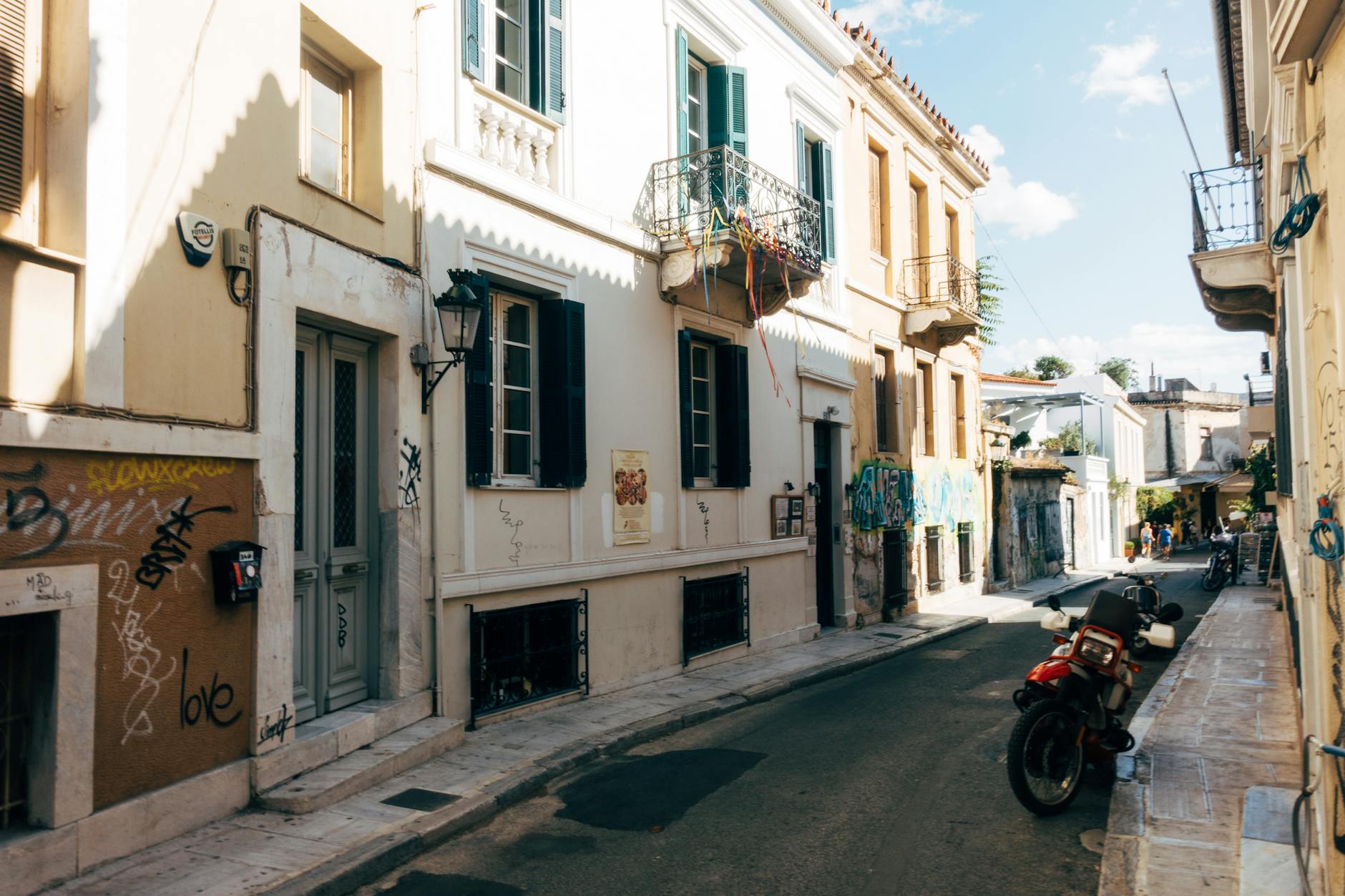
Pangrati, stretching behind the Panathenaic Stadium, is where many Athenians say they’d want to live. It combines a thoroughly residential atmosphere with one of the city’s best and most evolving food scenes. Leafy plateia (squares), neighborhood bakeries, and a growing collection of excellent restaurants make Pangrati the kind of neighborhood that rewards slow exploration.
Character: Relaxed, authentic, and food-obsessed. Pangrati has largely escaped the tourist radar, which means prices are lower, restaurants cater to locals, and the neighborhood retains a genuinely Greek character. The area around Plateia Proskopon and Plateia Varnava is the social center.
What to see and do: Eat your way through the neighborhood — Pangrati has some of Athens’ best modern tavernas, bakeries, and ouzeries. Visit the Panathenaic Stadium. Walk through the First Cemetery of Athens — a surprisingly beautiful and historically significant green space. Browse the Saturday morning farmers’ market. Enjoy coffee at a plateia café where you’re likely the only tourist.
Best for: Foodies, long-stay visitors, and travelers who want an authentic local experience away from the tourist center while still being within walking distance of major sights.
Thissio and Petralona — Laid-Back West Side
Thissio, west of the Ancient Agora, is best known for the stunning pedestrianized promenade of Apostolou Pavlou, which offers some of the best Acropolis views in the city — particularly at sunset, when the Parthenon glows golden above. Petralona, further west up the slopes of Filopappou Hill, is a residential neighborhood that locals love for its unpretentious tavernas and village-like atmosphere.
Character: Relaxed, scenic, and neighborly. Thissio has a more curated feel, with its promenade cafés and outdoor cinema (Cine Thisio — one of the world’s most beautiful open-air cinemas, with the Acropolis as its backdrop). Petralona is grittier and more authentically local.
What to see and do: Walk the Apostolou Pavlou promenade at sunset. Watch a film at Cine Thisio (summer only). Visit the Ancient Agora and Temple of Hephaestus. Eat at Petralona’s traditional tavernas — family-run, enormous portions, and remarkably cheap. Climb Filopappou Hill for panoramic views.
Best for: Sunset seekers, cinema lovers, and travelers who want a relaxed atmosphere near the major sites.
Glyfada and the Southern Suburbs — Seaside Athens
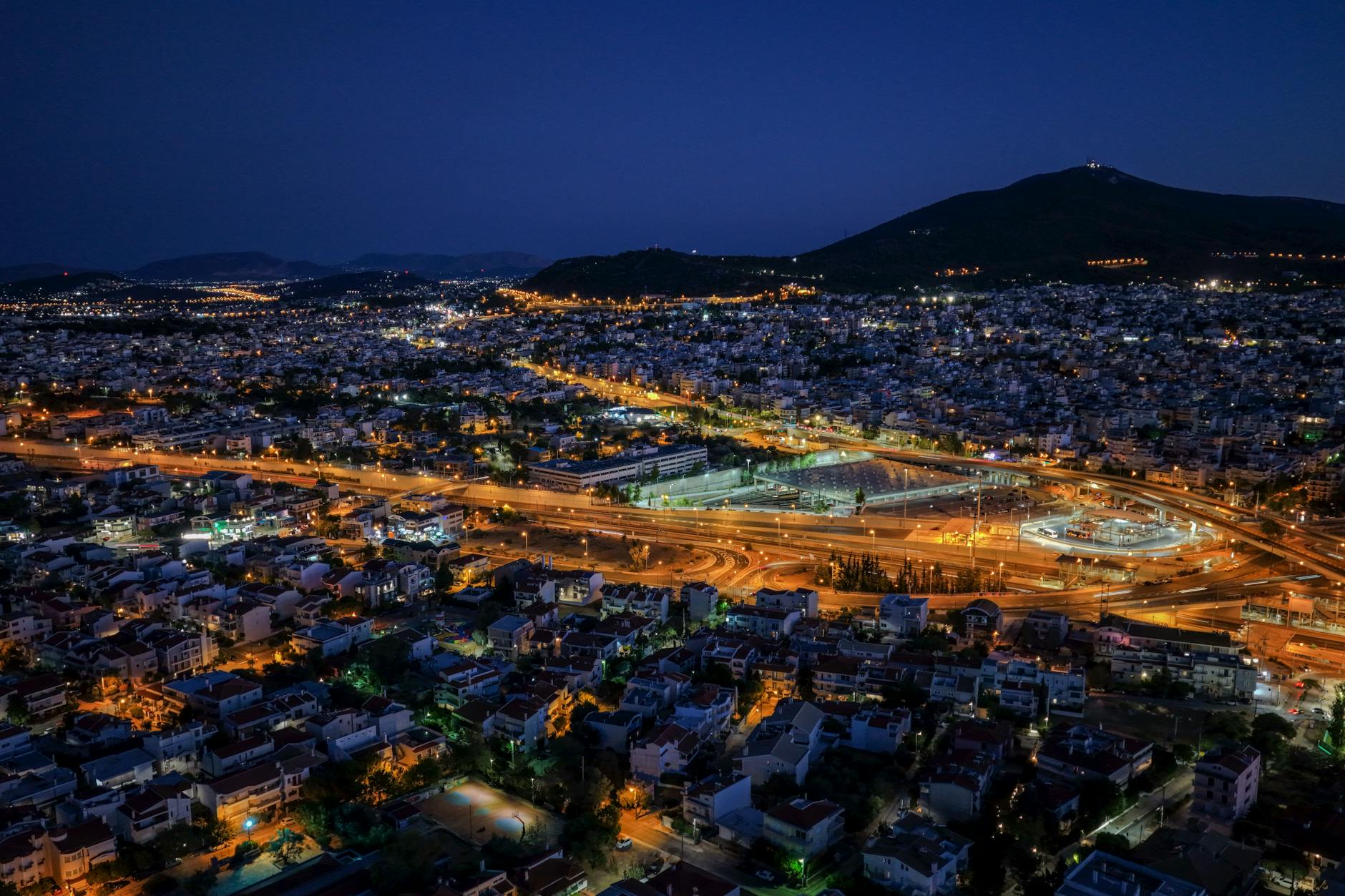
Glyfada is the gateway to the Athens Riviera — a glamorous southern suburb where Athenians go to shop, dine, and play by the sea. Connected to central Athens by the tram (about 40 minutes from Syntagma), Glyfada offers a completely different Athens experience: palm-lined boulevards, beach clubs, seaside restaurants, and a resort-town atmosphere.
Character: Upscale, seaside, and suburban. Glyfada has its own thriving shopping scene, excellent restaurants, and a nightlife that draws Athenians from across the city in summer. The further south you go along the coast — through Voula, Vouliagmeni, and Varkiza — the more exclusive it becomes.
What to see and do: Swim at the organized beaches. Shop along the main commercial streets. Dine at seaside fish tavernas. Visit Lake Vouliagmeni for a swim in the warm mineral waters. Experience the summer beach bar and club scene. Take a coastal walk along the promenade.
Best for: Beach lovers, families wanting a relaxed base with sea access, and visitors staying longer who want to combine city and coast. Ideal for families with children.
Where to stay: Browse seaside hotels and apartments in Glyfada on the Athens Riviera.
Kifissia — The Green Northern Suburb
Kifissia, 14 kilometers north of the city center (accessible by Metro Line 1), is Athens’ most prestigious suburb — a leafy, affluent area with a distinctly different feel from the dense urban center. Grand neoclassical mansions line tree-shaded streets, and the neighborhood has its own vibrant shopping and dining scene that feels more like a prosperous European small town than part of a sprawling Mediterranean capital.
Character: Green, elegant, and rarefied. Kifissia is noticeably cooler than central Athens in summer (thanks to its higher elevation and abundant trees), which has made it a retreat for wealthy Athenians since the 19th century. The central area around Plateia Kefalariou is the social hub.
What to see and do: Stroll the tree-lined streets and admire the neoclassical architecture. Shop at the mix of international and Greek designer stores. Visit the Goulandris Natural History Museum (excellent for families). Dine at one of the many excellent restaurants. Escape the summer heat — Kifissia can be 5–8°C cooler than the city center.
Best for: Visitors seeking an escape from the heat and crowds, architecture enthusiasts, and those who want to see how affluent Athenians live.
Metaxourgeio and Kerameikos — The Emerging Creative Districts
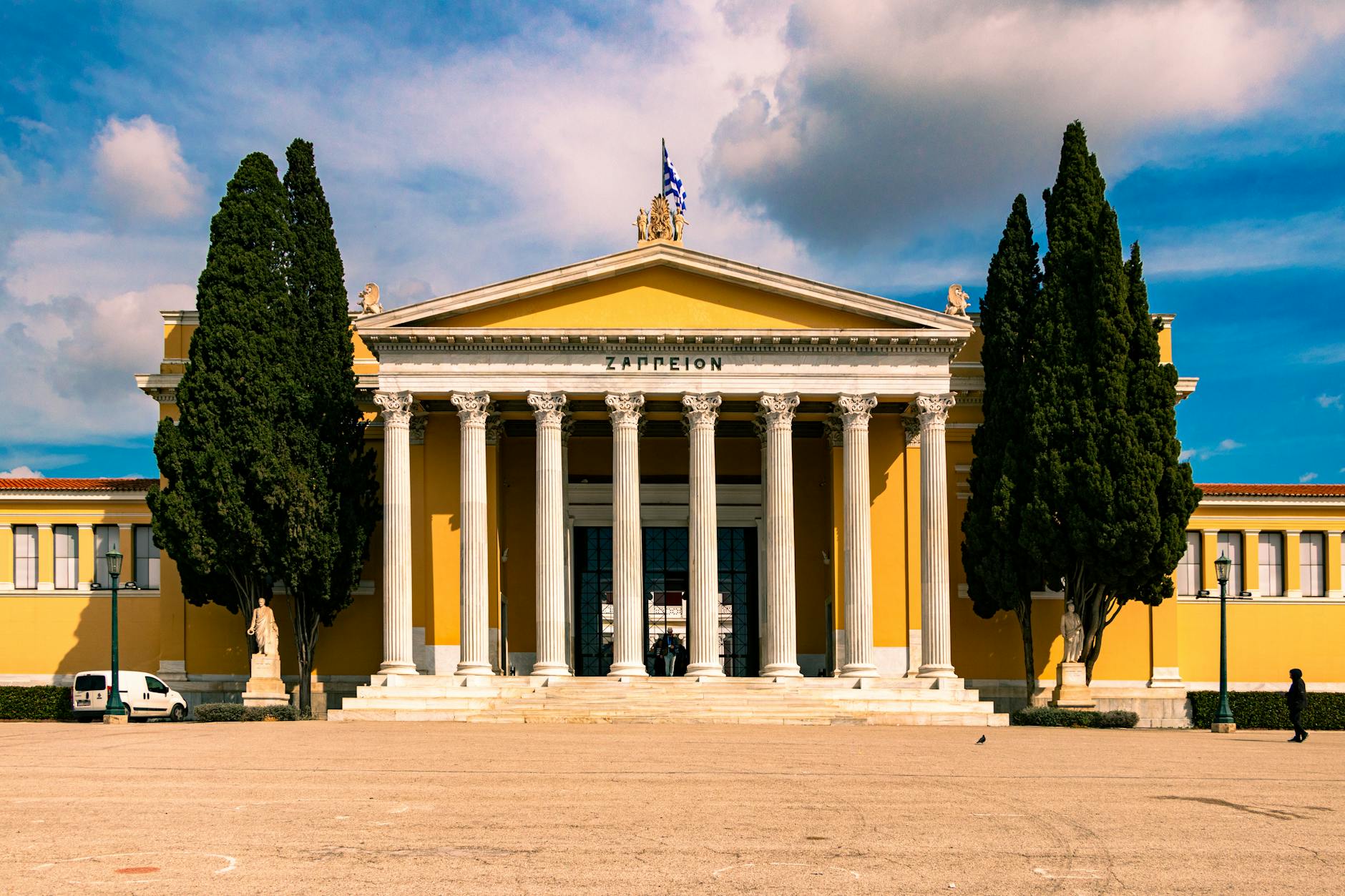
West of Omonia, the neighboring areas of Metaxourgeio and Kerameikos are Athens’ fastest-evolving creative districts. Former industrial buildings and workshops are being transformed into contemporary art galleries, independent theaters, creative studios, and innovative restaurants. The ancient Kerameikos cemetery, one of Athens’ most atmospheric and least-visited archaeological sites, anchors the area in deep history.
Character: Raw, creative, and in transition. These neighborhoods still have rough edges — the streets around Omonia can feel gritty, especially at night. But for culturally curious travelers, the energy of creation and transformation is palpable. Art galleries, third-wave coffee shops, and fusion restaurants are opening regularly.
What to see and do: Visit the Kerameikos archaeological site and museum. Explore the contemporary art galleries — the Municipal Gallery of Athens is a highlight. Check for performances at independent theater spaces. Dine at cutting-edge restaurants that blend Greek traditions with international influences. Visit the Technopolis cultural complex at Gazi (immediately south), which hosts concerts, exhibitions, and festivals in a converted 19th-century gasworks.
Best for: Art enthusiasts, urban explorers, and travelers who enjoy discovering neighborhoods before they become fully gentrified.
Choosing the Right Neighborhood for Your Visit
Here’s a quick guide to matching Athens neighborhoods to your travel style and interests:
First visit, want the classics: Plaka or Monastiraki. Best value for money: Koukaki, Exarchia, or Pangrati. Luxury and refinement: Kolonaki or Kifissia. Nightlife and social scene: Psyrri, Gazi, or Monastiraki. Beach and coast: Glyfada or Vouliagmeni. Families: Koukaki, Glyfada, or Plaka. Food and local culture: Pangrati, Koukaki, or Exarchia. Art and creativity: Exarchia, Psyrri, or Metaxourgeio. Peace and quiet: Anafiotika, Kifissia, or Petralona.
The beauty of Athens is that no single neighborhood defines it — the city reveals different facets depending on which streets you walk. Our advice: don’t limit yourself to one area. Use the metro and your feet to hop between neighborhoods, experiencing the contrast between Plaka’s ancient charm and Exarchia’s modern edge, between Kolonaki’s polish and Psyrri’s grit. That contrast is Athens’ greatest character trait, and exploring it is one of the best things to do in this endlessly fascinating city. For complete trip planning including how to get around between neighborhoods, check our dedicated guides.
Neighborhood-by-Neighborhood Guides
A full guide to each Athens quarter, with what to see, eat and skip: