This article contains advertising. Some of the hotel, flight and transfer links in it are paid links: if you book through one, we get a commission from the booking company, and your price is the same either way. It never affects what we recommend. Affiliate disclosure
Gazi-Kerameikos is the success story of postindustrial Athens. Until the late 1990s, this western edge of central Athens was an industrial district dominated by the Gazi gasworks — a vast Victorian-era industrial complex that supplied gas to Athens from 1857 until 1984 — surrounded by warehouses, freight yards, and the immigrant working-class housing that supplied their labor. When the gasworks closed, the buildings sat abandoned. Then in 1999 the City of Athens converted the entire gasworks complex into Technopolis, a cultural and event center, and the surrounding warehouses began to fill with art galleries, theaters, bars, and clubs. Today Gazi-Kerameikos is the largest nightlife district in central Athens, home to some of the city’s most important contemporary art spaces, and located adjacent to one of the most important Classical Greek archaeological sites — the ancient Kerameikos Cemetery, where Athenians have been burying their dead for 3,000 years. This guide covers both halves of the neighborhood — the post-industrial Gazi nightlife and culture, and the archaeological Kerameikos — as the connected district they form.
Where Gazi-Kerameikos Is
Gazi-Kerameikos sits on the western edge of central Athens, west of Psirri and Monastiraki, bounded roughly by Pireos Street to the east, the Athens-Piraeus railway to the south, Constantinoupoleos Street to the west, and Ermou Street to the north. The Kerameikos metro station (Line 3/blue) sits at the heart of the neighborhood; the Thiseio metro (Line 1/green) serves the eastern edge. Walking distances: from Kerameikos metro to Monastiraki Square 8 minutes, to the Acropolis south entrance 15 minutes, to Psirri 5 minutes.
Technopolis — The Gasworks Cultural Centre

Technopolis is one of the most successful post-industrial cultural redevelopments in Europe. The original Athens Gasworks complex (1857-1984) consisted of vast brick gasometers, retort houses, furnaces, and worker buildings spread across 25,000 square meters. The City of Athens preserved the industrial architecture while converting the interior spaces into cultural venues — exhibition halls, concert spaces, conference facilities, museums, restaurants, and outdoor performance areas.
The complex hosts year-round programming: contemporary art exhibitions, concerts (jazz, world music, electronic), film festivals (the Athens International Film Festival uses Technopolis for screenings), the annual Athens Jazz Festival, conferences, and one-off events. The Industrial Gas Museum, housed in one of the original retort houses, tells the history of the gasworks and Athens’ industrialization. Admission to the grounds is free during open hours; specific events have separate ticketing.
Visiting Technopolis
The grounds are open daily 10am-10pm with extended hours for events. Walking through the complex is itself worth an hour — the industrial architecture, the preserved gasometers (the iconic round tanks that gave the neighborhood its visual identity), and the rotating outdoor art installations make it a destination. Several restaurants and bars operate within the complex.
The Ancient Kerameikos & Its Museum

The Kerameikos was Classical Athens’ main cemetery, located outside the city walls at the gate where the road to Eleusis began. The site has been continuously used for burial from the Bronze Age through the Roman period (roughly 3,000 BC to 600 AD). Excavations since 1863 have uncovered burial monuments, public memorial monuments to war dead, the Dipylon and Sacred Gates of the ancient city wall, the Pompeion (where the Panathenaic procession assembled), and tens of thousands of artifacts including pottery, jewelry, weapons, and the famous Classical Greek funerary stelae.
The on-site Oberlaender Museum holds some of the most important artifacts and is one of the most underrated museums in Athens. Highlights include the Stele of Hegeso (one of the masterpieces of Classical Greek funerary sculpture), the Dipylon Amphora (one of the oldest and largest Geometric-style Greek vases, c. 750 BC), and the kouros and kore statues from grave monuments.
Visiting Kerameikos
Admission €10 adults, free under-18s. Open daily 8am-8pm in summer, reduced winter hours. The site is large but mostly flat and walkable in 90 minutes including the museum. Far less crowded than the Acropolis or Agora — even in peak season you can find moments alone among the ruins. Excellent late-afternoon visit, when the light turns the marble warm and the residents of Gazi-Kerameikos start filling the surrounding bars.
Gazi-Kerameikos Nightlife
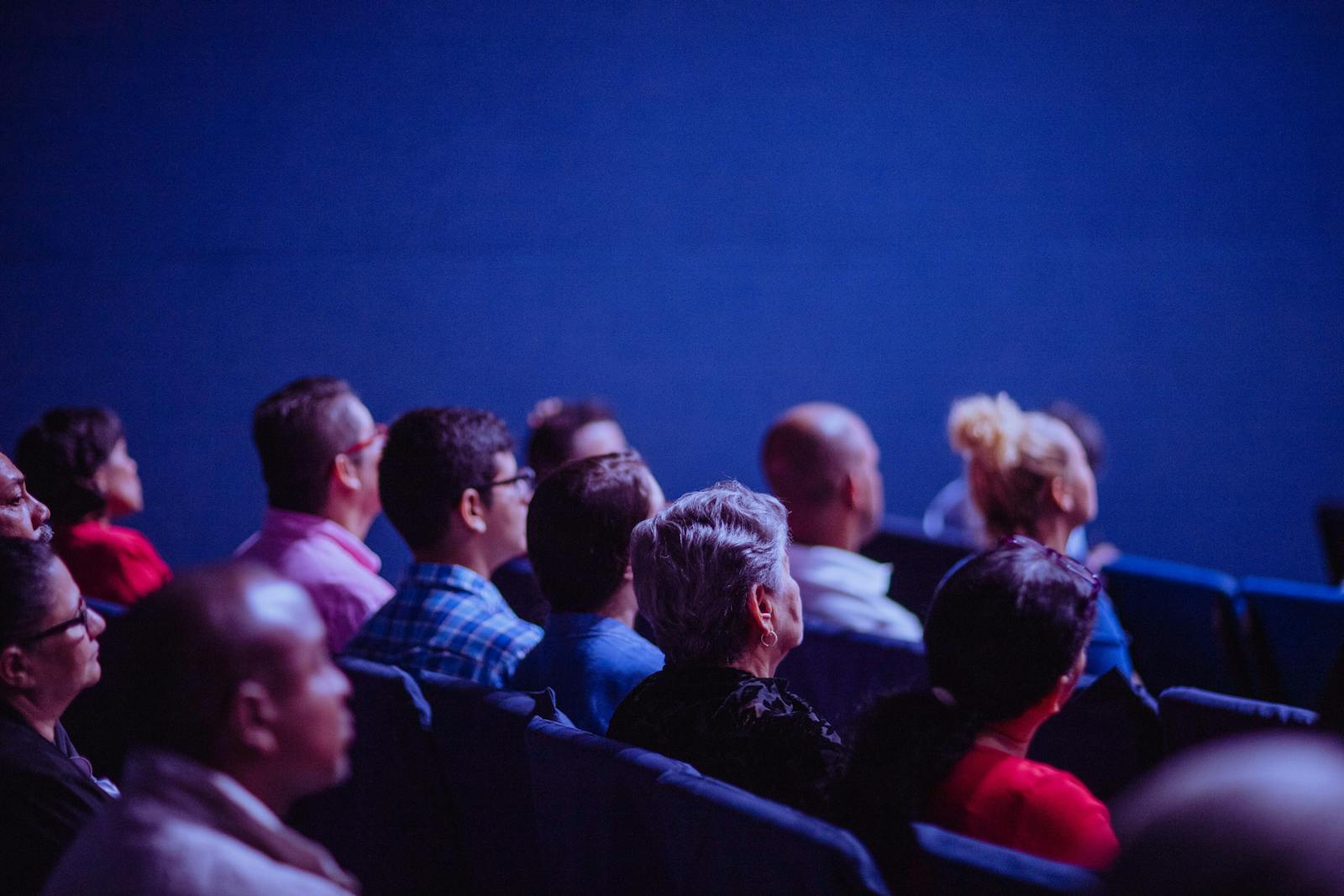
Gazi has the largest concentration of clubs and large bars in central Athens, with capacity for thousands of people across multiple venues. The scene is younger and more dance-focused than Psirri or Kolonaki. Operating peaks are Friday and Saturday nights from midnight to 6am, with significant Thursday and Sunday activity. The neighborhood goes quiet during the day; most venues open after 11pm.
The Main Streets & Squares
Plateia Persefonis (Persephone Square) is the social center of Gazi nightlife — bars and restaurants line the square, crowds spill into the open space, and the main clubs are within 5 minutes’ walk. Voutadon Street and Persefonis Street are the major bar streets.
Key Venues
Several venues anchor the Gazi nightlife scene. Bolivar (winter location near Gazi, summer location on the beach) and 6 d.o.g.s (Psirri but Gazi-orbital) are crossover venues. Smaller dedicated Gazi clubs operate seasonally and rotate; check current listings on Athens Voice or the LIFO city guide.
LGBTQ+ Scene
Gazi is the largest LGBTQ+ nightlife district in Athens. Several bars and clubs serve the community including Sodade2 (the longest-running gay club), BeQueer, and S-Cape. Athens Pride takes place each June; many Pride events use Gazi venues. The atmosphere is welcoming and the scene is well-developed by Mediterranean standards.
Restaurants in Gazi-Kerameikos
The restaurant scene has matured significantly. Some recommendations:
Funky Gourmet — at 13 Paramythias Street, one of Athens’ most famous contemporary restaurants, holding multiple Michelin recognitions. Closed temporarily at times for various reasons; check before booking.
Gazaki — at 31 Triptolemou Street, a longstanding bar-restaurant with a strong evening crowd.
Kanella — at 70 Konstantinoupoleos Street, traditional Greek cuisine in a converted neoclassical mansion. Excellent for grilled meats.
Butcher Shop — at 19 Persefonis Street, contemporary Greek grill specializing in heritage meat. €40-60 per person.
Mama Tierra — at 67 Athinas Street (Gazi-Psirri border), vegan and vegetarian.
Skoufias — at 50 Vasileiou tou Megalou (Rouf, Gazi-adjacent), traditional Greek with a strong wine program.
Galleries & Contemporary Art
Gazi-Kerameikos has become Athens’ contemporary art gallery district. Major commercial galleries and project spaces:
The Breeder — at 45 Iasonos Street, one of Athens’ leading contemporary art galleries representing major Greek and international artists.
Eleni Koroneou Gallery — at 5-7 Mitsaion Street.
Bernier/Eliades — at 11 Eptachalkou Street (Gazi-Thiseio border), longstanding gallery showing international contemporary art.
Athens Conservatoire on Rigillis Street hosts major exhibitions during the Athens Biennale and other events.
The Romantso at 3-5 Anaxagora Street (Gazi-Omonia edge) is a multi-disciplinary arts space.
Walking Pireos Street — The Industrial Architecture Tour
Pireos Street, running from central Athens to the port of Piraeus, was the main industrial corridor of 19th-20th century Athens. Walking the section through Gazi shows preserved industrial architecture and contemporary repurposings: textile factories converted to artist studios, foundries become galleries, warehouses turned into clubs. The Benaki Museum’s modern art annex (the Pireos Annex) at 138 Pireos Street is housed in a converted industrial building; the Benaki Pireos has rotating major contemporary exhibitions and is worth a visit alongside the historical Kerameikos.
Where to Stay in Gazi-Kerameikos
The neighborhood has fewer hotels than Plaka or Monastiraki — most accommodation is Airbnb apartments in converted industrial buildings. Notable hotels include the AthensWas (closer to Acropolis but design-aligned with Gazi aesthetics), and several smaller boutique properties opening in the area. The Athens Marriott and several business hotels operate further west toward Pireos.
Practical Information
Getting to Gazi-Kerameikos: Kerameikos metro station (Line 3/blue, direct from the airport) is in the center of the neighborhood. Thiseio metro (Line 1/green) serves the eastern edge. The Acropolis can be reached on foot in 15 minutes; Monastiraki in 10 minutes. Walking the area: paved sidewalks throughout; some industrial streets feel more abandoned than others, but the main streets are well-lit and active in the evening. Safety: standard urban awareness, including the usual considerations for nightlife districts. Single travelers and small groups have no specific concerns; like any large nightlife area, watch drinks, taxi at the end of the night, and stay with friends.
Best Time to Visit
Daytime — particularly mid-morning — is best for the Kerameikos archaeological site and the contemporary galleries. Late afternoon (5-8pm) is excellent for visiting Technopolis when light is best on the industrial architecture and outdoor exhibitions are most pleasant. Evening (8-11pm) is when the restaurants come alive. Late evening into late night (11pm-5am) is club time. Sunday afternoons are quieter; Mondays many venues are closed.
Sample Gazi-Kerameikos Day
11:00am visit Kerameikos archaeological site and Oberlaender Museum (90 minutes). 12:30pm lunch at Kanella or Skoufias. 2:30pm walk through Technopolis grounds and visit any current exhibition. 4:00pm contemporary gallery walk on Iasonos Street and surrounding streets. 6:00pm aperitivo at one of the Persefonis Square bars. 8:30pm dinner at Butcher Shop or Mama Tierra. 11:00pm bar hopping on Persefonis and Voutadon Streets. Late night dancing at one of the clubs for those still going.
Festivals & Events to Know
Athens Jazz Festival (May, Technopolis) — one of Europe’s important jazz festivals.
Athens International Film Festival (September-October, multiple venues including Technopolis).
Athens Pride (June, with Gazi central) — major LGBTQ+ celebration.
Athens Biennale (irregular years) — uses Gazi industrial spaces for major contemporary art exhibitions.
Various electronic music festivals throughout the year use Technopolis grounds and warehouse spaces.
Common Gazi-Kerameikos Mistakes
Mistake 1: Skipping the archaeological Kerameikos because you’ve already seen the Acropolis and Agora. Kerameikos is the third essential Classical Athens site and significantly less crowded than the others. Mistake 2: Visiting only in the evening for nightlife. The daytime cultural offerings — Technopolis, the galleries, the industrial architecture — are equally important. Mistake 3: Assuming Gazi is dangerous because it’s an entertainment district. It’s a busy, well-lit, active neighborhood with standard urban awareness applying. Mistake 4: Missing the Industrial Gas Museum inside Technopolis. The history of how Athens was lit and heated for over a century is fascinating and the museum is small enough for a 45-minute visit. Mistake 5: Booking a hotel in Gazi-Kerameikos if you’re a light sleeper. The nightlife is loud through 5am on weekends; book elsewhere if you need quiet.
The Industrial Gas Museum Inside Technopolis
The Industrial Gas Museum, housed in the original retort house of the Gazi gasworks, is one of Athens’ most underrated museums. It tells the story of Athens’ industrialization through the lens of the city’s gas supply — from the 1857 founding of the Athens Gas Company through the closure of the works in 1984. The preserved industrial machinery is impressive: the massive coal-burning furnaces, the gasometers, the distribution pipes. Interactive displays explain how gas was produced from coal, distributed through underground pipes to homes and street lamps, and what life was like for the workers and engineers who ran the plant. Admission included in Technopolis events or €4 standalone. Plan 45-60 minutes.
The Kerameikos Cemetery’s Most Important Stelae
The Kerameikos archaeological site contains numerous important Classical Greek funerary monuments. The most significant: the Stele of Hegeso (in the on-site museum), one of the masterpieces of Classical Greek relief sculpture, showing a young Athenian woman selecting jewelry from a casket held by her servant — the carving captures both the wealth of the family and the poignancy of early death; the Stele of Dexileos, marking the grave of a young Athenian cavalryman killed at the Battle of Corinth in 394 BC; the Dipylon Amphora (also in the museum), one of the oldest large Greek vases (around 750 BC) showing Geometric-style figures mourning the dead. Together these objects compress the entire arc of Greek funerary art from the 8th century BC through the Classical period into a single museum visit.
Pireos Street — The Industrial Architecture Walk
Pireos Street, running from central Athens to the port of Piraeus, was the main industrial corridor of 19th-20th century Athens. Walking the section through Gazi-Kerameikos and out toward Rouf shows preserved industrial architecture and contemporary repurposings: textile factories converted to artist studios, foundries become galleries, warehouses turned into clubs. Notable: the Benaki Museum Pireos Annex at 138 Pireos (a converted industrial building hosting major contemporary exhibitions), the various foundry buildings, the Athinaeon (an old theater); the Hellenic Motor Museum (in a converted industrial building further west). A 90-minute walk from Gazi to Rouf along Pireos gives a clear sense of how postindustrial Athens has restored its industrial heritage.
Gazi-Kerameikos LGBTQ+ Scene in Detail
Athens has the largest LGBTQ+ scene in southeastern Europe, and Gazi is its center. Key venues: Sodade2 (the longest-running gay club, since the 1990s); BeQueer; S-Cape; Big Bar (older crowd); MyBar (cocktail-focused); various other smaller bars and clubs. Athens Pride is held each June, typically using Plateia Persefonis and surrounding streets for outdoor stages and the parade route. The atmosphere is welcoming, mixed, and considered safe by international LGBTQ+ travel standards. Several boutique hotels and apartments in Gazi specifically welcome LGBTQ+ travelers.
The Benaki Museum Pireos Annex
The Benaki Museum’s Pireos Annex at 138 Pireos Street is the museum’s contemporary art and special-exhibition space. Housed in a converted 1960s industrial building, it hosts major exhibitions of contemporary Greek and international art. Past exhibitions have included major retrospectives of Greek artists Yannis Tsarouchis and Alekos Fassianos, contemporary international artists, and themed historical exhibitions. The building itself is architecturally notable for its adaptive reuse. €7 admission for exhibitions; check current listings.
Gazi Photography Walks
The neighborhood offers distinctive photography subjects: the round gasometers at sunrise or sunset; the industrial brick architecture of Technopolis; the contemporary murals on warehouse walls; the contrast of the ancient Kerameikos site against the postindustrial neighborhood backdrop. The best light: early morning for industrial details, golden hour for the gasometer architecture, blue hour for the lit Acropolis visible from several Gazi-Kerameikos viewpoints.
Sample Gazi-Kerameikos Cultural Day
10:00am Kerameikos archaeological site and Oberlaender Museum (90 minutes). 12:00pm coffee at one of the small cafés along Ermou Street. 12:30pm lunch at Kanella or Skoufias. 2:30pm Benaki Museum Pireos Annex for current major exhibition. 4:30pm Technopolis grounds walk and Industrial Gas Museum. 6:30pm aperitivo at one of the Persefonis Square bars. 8:30pm dinner at Butcher Shop or a creative Gazi restaurant. 11:00pm bar hopping if energy remains.
Common Misconceptions About Gazi-Kerameikos
Misconception 1: “Gazi is just nightlife.” The daytime cultural offerings are equally important. Misconception 2: “Kerameikos is just one more archaeological site.” The Kerameikos is the third major Classical Athens site (with the Acropolis and Agora) and significantly less crowded. Misconception 3: “The neighborhood is dangerous.” It’s a busy entertainment district with standard urban awareness; safety is no different from any major nightlife area. Misconception 4: “There’s nothing for families here.” The Technopolis grounds, the Industrial Gas Museum, and the Kerameikos site are all family-friendly during the day; only the late-night club scene is adults-only. Misconception 5: “Visit only Gazi or only Kerameikos.” The two halves of the neighborhood — postindustrial cultural and ancient archaeological — are complementary and best visited together.
Continue Planning Your Athens Trip
Zoom back out to the guides that put this in context: