This article contains advertising. Some of the hotel, flight and transfer links in it are paid links: if you book through one, we get a commission from the booking company, and your price is the same either way. It never affects what we recommend. Affiliate disclosure
Kifisia is what Athens looks like in slow motion. Twelve kilometers north of the city center, sitting at the cool elevated foot of Mount Pentelicon, Kifisia developed in the late 19th century as the summer retreat of the Greek royal family, the diplomatic corps, and the wealthy Athenian merchant class. They built villas under the plane trees, planted gardens in the cooler northern air, and connected the suburb to central Athens by railway. The villas still stand, many now converted to boutique hotels, restaurants, and offices; the plane trees still shade the central squares; the railway is now the green Line 1 of the Athens Metro, completing the trip from Syntagma in 30 minutes. Beyond Kifisia, the larger network of Athens northern suburbs — Maroussi, Halandri, Psychiko, Filothei, Ekali, Nea Erythraia, Drosia, and the surrounding districts — combine residential luxury, shopping malls, business parks, and Mount Penteli foothills into an Athens metropolitan zone that most tourists never see but that shapes how Greater Athens functions. This guide treats Kifisia and the northern suburbs as the green, cool, residential half of Athens — what to see, where to eat, where to shop, and how to use the northern suburbs as a base or day trip from central Athens.
Why Kifisia Exists & How It Developed
Through the 19th century the area of Kifisia was a small farming and summer-residence village separated from Athens by olive groves and pine forests. The opening of the Athens-Kifisia railway in 1885 changed everything: suddenly the village was 40 minutes from central Athens by train, and the cooler elevation (270 meters above sea level versus 70 meters in central Athens) made it an attractive summer escape. Through the 1880s-1920s wealthy Athenians built summer villas in Kifisia, many designed by leading Greek and German architects. The post-WWII period saw further development; many villas became year-round residences as central Athens densified and became less pleasant to live in. By the 1980s Kifisia was Athens’ most expensive residential area; it remains so today.
The Old Town of Kifisia — Villas & Plane Trees
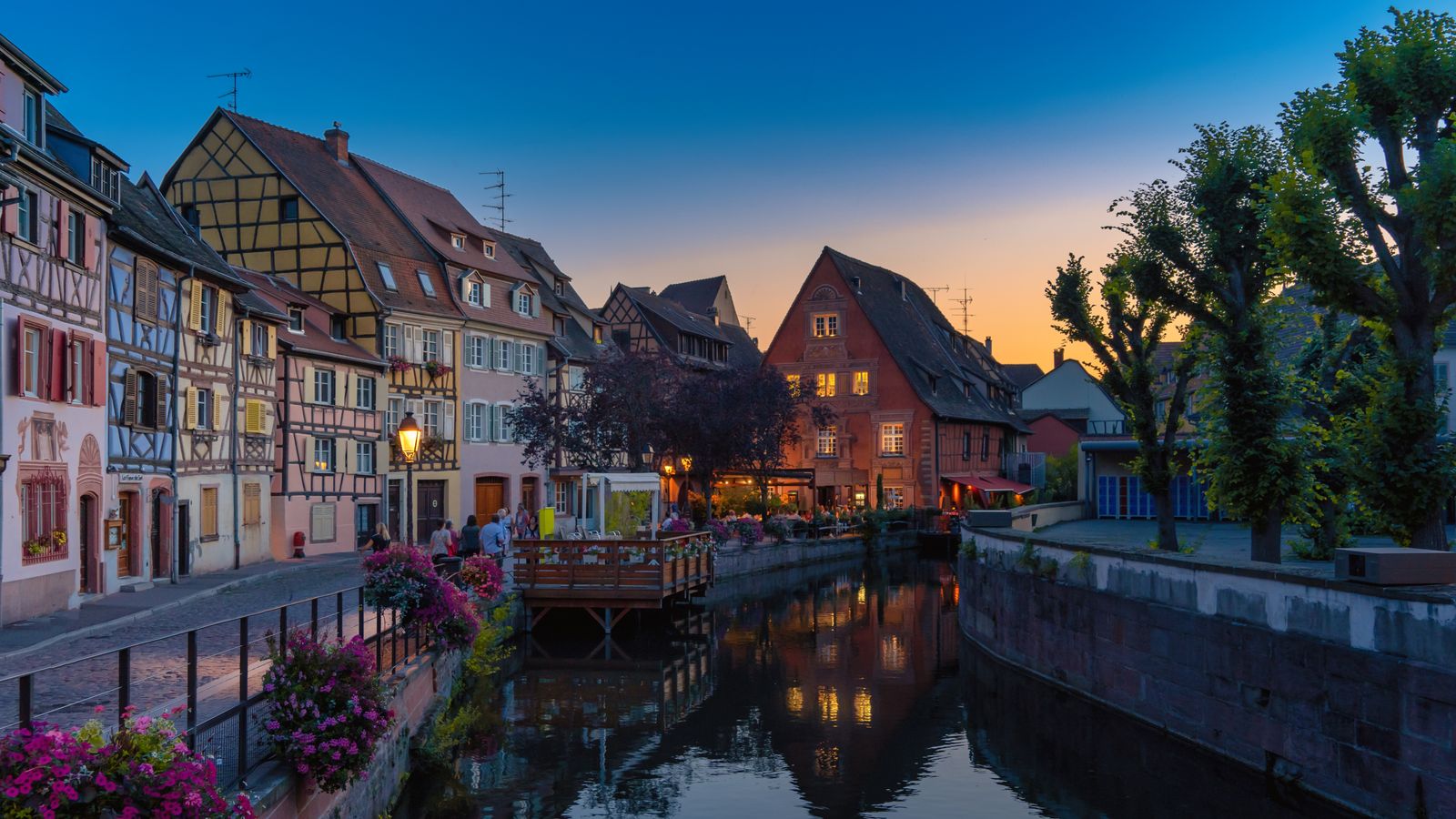
The historic core of Kifisia is the area around Kifisia Square and the streets immediately south and east. Walking these streets you pass extraordinary preserved villas — many of them 1880s-1920s, in styles ranging from Greek neoclassical to French chateau to English Tudor revival to early modernist. Several are now used as cultural centers (the Mansion at 19 Kerasountos houses the Goulandris Natural History Museum); some operate as restaurants; many remain private residences. The plane trees (Platanus orientalis) lining these streets are among the oldest in the Athens metropolitan area — several specimens are reportedly 150+ years old.
The Best Walking Route in Old Kifisia
Start at Kifisia metro station. Walk south on Tatoiou Street to Kifisia Square; pass the central plane-tree-shaded gardens. Continue south on Kassaveti Street through the area of best-preserved villas. Turn east on Levidou Street, exploring the side streets (Otonos, Argyrokastrou, Diadochou Konstantinou) which house the most spectacular villas. Loop back north via Kyriazi Street, passing high-end restaurants and shops, returning to Kifisia Square. The full walk takes 90-120 minutes at a leisurely pace and provides an excellent architectural tour.
Goulandris Museum of Natural History
The Goulandris Museum of Natural History at 13 Levidou Street is one of the most under-promoted family-friendly museums in the Athens area. The museum holds extensive zoological, botanical, and geological collections from across Greece and the Mediterranean. Highlights include a life-size triceratops model in the dinosaur hall, an extensive insect collection, and rooms dedicated to Mediterranean ecosystems. The adjacent Gaia Centre is the interactive science wing — kids walk through a simulated cave, experience an earthquake on a vibrating platform, watch climate science demonstrations, and engage with hands-on stations. Combined ticket €8 adults; €4 children. Two to three hours for a thorough visit.
Restaurants in Kifisia
Kifisia hosts one of the best concentrations of high-quality restaurants in greater Athens, with particular strength in modern Greek cuisine and international fine dining.
Fine Dining & Modern Greek
Botrini’s — at 24B Vasileos Georgiou Street, one of Athens’ most celebrated contemporary Greek-Italian restaurants. €80-120 per person.
Vardis (Pentelikon Hotel) — at the Pentelikon hotel, Michelin-starred Greek cuisine. €100-150 per person; reservations essential.
The Margi Hotel restaurant (in Vouliagmeni but commonly used by Kifisia visitors) — internationally acclaimed Greek fine dining.
Modern Greek Casual
Nikis Cookery — at 1 Tatoiou Street, modern Greek with strong vegetable program. €30-45 per person.
Vegera — at 12 Kassaveti Street, sit-down breakfast and lunch with creative menu; locally beloved.
Multiple smaller restaurants and bistros operate around the square; the quality across the area is reliably high.
Traditional Tavernas
Several traditional Greek tavernas operate in the northern suburbs (Halandri, Drosia, Ekali) serving classic Greek dishes at fair prices to local residents. These require a car or taxi to reach but reward the trip.
Shopping in Kifisia
Kifisia’s commercial center, particularly the streets around Kifisia Square and Kassaveti Street, hosts a concentration of upscale Greek and international fashion retailers, jewelers, design shops, and boutiques. The mix is less internationally branded than Voukourestiou in central Athens but stronger in Greek designers and home decor. Notable categories: independent Greek designers; Greek ceramics and design objects; upscale children’s clothing; high-end stationery and gifts; specialty bookshops. Less time pressure than central Athens shopping; reasonable parking; pleasant outdoor café terraces for shopping breaks.
The Athens Concert Hall & Major Northern Suburb Cultural Venues
Several major cultural venues sit in the northern suburbs:
Athens Concert Hall (Megaron Mousikis) — in Ilisia (technically just south of the northern suburbs but commonly grouped with them) — Athens’ major classical music venue. Schedule includes the Greek National Opera, visiting international orchestras, and chamber concerts. Tickets €15-100 depending on event.
Theatro Petras (Petroupoli) — major open-air summer theater venue further north.
Various smaller theater venues throughout the northern suburbs run year-round programming.
The Mount Penteli Hike & the Marble Quarry
The Mount Penteli foothills rise immediately north of Kifisia. Mount Penteli is historically and archaeologically significant: this is where the marble used to build the Parthenon was quarried in the 5th century BC, and the quarries are still partially visible. A morning hike from upper Kifisia onto Mount Penteli takes 2-3 hours round-trip and provides excellent views back over Athens and the chance to see ancient quarry workings. The hike is well-marked but requires basic outdoor preparation (proper shoes, water, sun protection). Best done October-April when temperatures are manageable.
The Northern Suburb Shopping Malls
For visitors who actively want indoor mall shopping (occasionally useful, particularly in summer heat or winter rain), three major shopping centers serve the northern suburbs:
The Mall Athens — in Maroussi, the largest shopping mall in Greece, with 220+ stores including international brands, restaurants, and entertainment. Direct metro access (Neratziotissa station, Line 1).
Golden Hall — in Maroussi adjacent to The Mall, an upscale shopping center with higher-end international brands.
River West Open Mall — in Egaleo (western Athens, technically not northern but accessible), an open-air shopping district.
These are functional retail destinations rather than cultural attractions; recommended primarily for specific shopping needs or weather refuge.
Maroussi & the Athens Olympic Sports Complex
Maroussi (Amaroussion) is the northern suburb that hosted the 2004 Olympics. The Athens Olympic Sports Complex (OAKA) includes the main Olympic Stadium (designed by Santiago Calatrava with its iconic white arches), the velodrome, the swimming center, and the tennis complex. The site is still in active use for major sporting events and concerts; the grounds are generally accessible to walkers and visitors interested in the architecture. Free entry to the grounds; event tickets vary. Worth a 60-90 minute visit if you have specific interest in Olympic history or contemporary architecture; otherwise skippable.
Tatoi Palace & the Royal Estate
Northeast of Kifisia in the Parnitha foothills sits Tatoi — the former Greek royal estate including the royal residence, royal cemetery, gardens, and farmland. The royal family lost ownership after the 1974 referendum that abolished the monarchy; the estate has been gradually opened to public access. The royal cemetery (containing the graves of King George I, King Constantine I, King Paul, and other royal family members) is now open to visitors. The main royal residence is under restoration with planned future museum access. The surrounding pine forests are open for hiking. Free entry to the public areas; allow 2-3 hours including transit. By car from central Athens 30-40 minutes; no direct public transit.
Where to Stay in Kifisia & Northern Suburbs
The northern suburbs host several distinguished hotels, particularly for visitors who want a quieter base while combining Athens with business obligations or Olympic-area events.
Pentelikon Hotel — the most distinguished historic property in Kifisia; a converted 1920s mansion with Michelin-starred restaurant. €200-400/night.
Theoxenia Palace — large traditional luxury property. €150-300/night.
Multiple boutique hotels in restored villas throughout the Kifisia old town.
Athens Marriott (in Maroussi near OAKA) — full-service business hotel.
Why stay in the northern suburbs: cool summer evenings (genuinely 5-7°C cooler than central Athens in July-August); quieter; better restaurants for foodies; convenient for visitors with business in the suburb commercial zones. Why not to stay here: 30+ minutes by metro from central Athens sights; less authentic “Athens experience” for first-time visitors.
Getting to Kifisia & Around the Northern Suburbs
Metro Line 1 (green) from central Athens runs through the eastern northern suburbs (Maroussi, Heraklio, Irini, Neratziotissa, Kifisia). From Syntagma it’s roughly 30 minutes to Kifisia. The metro is the easiest way to reach Kifisia, Maroussi, and the Olympic Sports Complex. For deeper northern suburbs (Halandri, Filothei, Psychiko, Ekali), bus connections from metro stations are reasonably good but slow; taxis or rental cars are more practical. From the airport: take Line 3 (blue) to Syntagma and change to Line 1 (green) for Kifisia (50-60 minutes total); or take a taxi (€35-45 fixed-rate from airport to Kifisia).
Day-Trip Itinerary for Visitors from Central Athens
For visitors based in central Athens who want to experience the northern suburbs in one day: 10:00am metro from Syntagma to Kifisia (Line 1). 10:30am walk to Goulandris Natural History Museum (2 hours including the Gaia Centre). 12:30pm lunch at Nikis Cookery or Vegera in Kifisia. 2:00pm walking architectural tour of old Kifisia villas (90 minutes). 3:30pm coffee at one of the Kifisia Square cafés. 4:30pm shopping along Kassaveti Street (60 minutes). 6:00pm metro back to central Athens, or stay for dinner at Botrini’s (book ahead) before returning by metro or taxi.
The Northern Suburbs in Summer
July-August central Athens temperatures regularly hit 38-42°C in the afternoon. Kifisia at the same time runs 5-7°C cooler — genuine difference, attributable to elevation, tree coverage, and distance from concrete heat-island effects. Many Athenians escape to Kifisia restaurants and cafés specifically for the cooler evening air. Visitors traveling in peak summer who find central Athens uncomfortably hot can use a Kifisia afternoon and dinner as a cooling-off strategy.
Athens’ Football & Sport Culture
The northern suburbs host two of Athens’ major football clubs. AEK Athens plays at the Agia Sofia OPAP Arena in Nea Filadelfeia (newer stadium, opened 2022). Panathinaikos plays at the Apostolos Nikolaidis Stadium in central Athens (smaller historic ground; the new Botanikos stadium is under construction). For sports-interested visitors, attending a Greek Super League match is one of the more atmospheric experiences available — partisan crowds, choreographed displays (tifo), passionate atmosphere. Tickets €15-80 depending on match; book through the club websites or local ticket agents.
Kifisia Christmas & Holiday Atmosphere
If you visit Athens in December, Kifisia is one of the best places to experience the Greek Christmas atmosphere. The squares are decorated; the cafés and restaurants run special holiday menus; small Christmas markets operate on weekends. The atmosphere is significantly more festive than in central Athens commercial districts. Combined with the Athens National Garden Christmas displays in central Athens, a December Athens visit can be quietly magical.
Cycling the Kifisia Area
The northern suburbs are significantly more cycling-friendly than central Athens. Several routes work: along the dry bed of the Kifisos River; through the residential streets of Kifisia, Filothei, and Psychiko; up onto the lower slopes of Mount Penteli; through the Tatoi forest. Bike rental is available at several Kifisia shops. For visitors who want to combine some active outdoor time with Athens cultural visits, the northern suburbs are the best option.
Common Northern Suburb Mistakes
Mistake 1: Treating Kifisia as too far to visit. The 30-minute metro ride from central Athens is shorter than many destinations within central Athens itself; the suburb is genuinely accessible. Mistake 2: Missing the Goulandris Natural History Museum because it’s outside central Athens. The museum is the best natural-history institution in Greece. Mistake 3: Eating at the obvious touristy restaurants in central Athens when the better food is in Kifisia. Several of the best restaurants in greater Athens are here. Mistake 4: Skipping summer Kifisia visits because they’re outside the main tourist circuit. Summer evenings here are notably cooler and more pleasant. Mistake 5: Booking the northern suburbs for a first Athens stay. The neighborhoods are excellent for second visits, business travel, or extended stays but not ideal first-time bases.
The Athens Northern Suburbs in Context
The northern suburbs represent the Athens that most tourists never experience and that most Athenians actually inhabit. Around 40% of the Athens metropolitan population lives in these districts — a workforce, family-raising, residential city that uses central Athens for work and major sights but that sleeps, dines, raises children, and lives daily life in the suburbs. Understanding the northern suburbs gives a more complete picture of the modern city than visits focused exclusively on the ancient and central districts. For Athens visitors interested in seeing how the city actually works — beyond the tourism — a Kifisia day trip is one of the most useful single excursions available.
The Completion of the Cocoon
This guide to Kifisia and the Athens northern suburbs completes the comprehensive Athens neighborhood and topical coverage on athenstourism.org. Across the full set of guides — from the famous central districts to the residential suburbs, from the major archaeological sites to the small specialty shops, from the major luxury hotels to the smallest neighborhood tavernas — the goal has been to provide useful, honest, locally informed information for every kind of Athens visitor. Athens rewards visitors who go beyond the obvious; the northern suburbs, like Pangrati and Koukaki, are the places that deepen any return visit. Welcome to the Athens that locals love.
Northern Suburb Photography & Architecture Tour
For visitors interested in photographing the architectural transition from village to suburb, a half-day tour through the northern districts produces excellent images. The 1880s villas of Kifisia in morning light show the original summer-house aesthetic; the 1920s-1930s neoclassical houses of Psychiko and Filothei show the interwar elite Greek residential style; the postwar villas of Halandri and Ekali show 1960s-1970s Mediterranean modernism; the contemporary architecture of recent Maroussi developments shows current Greek high-end residential design. The contrast across 130 years of suburban building tells the story of 20th-century Athens better than any single museum exhibit.
Northern Suburbs at Sunset & Evening
The northern suburbs are at their most pleasant in the evening, particularly during the warm months (May-September). Restaurant terraces fill from 8pm; the cooler suburb air after sunset is genuinely refreshing compared to central Athens; the slower-paced atmosphere combined with high-quality dining produces some of the best evening experiences in greater Athens. A common Athenian Friday night ritual: drive or metro from central Athens to Kifisia, dinner at a Kifisia restaurant, drinks afterward at a square café or wine bar, late return to the center. Visitors can replicate this rhythm for one or two evenings of their trip.
Continue Planning Your Athens Trip
Zoom back out to the guides that put this in context: