Planning a trip to Athens Greece can feel overwhelming — there’s so much to see, do, and figure out before you arrive. From deciding when to visit and how many days you need, to understanding the visa requirements, booking Acropolis tickets, and setting a realistic budget, this comprehensive Athens travel planning guide covers everything you need to know before your trip. Whether you’re a first-time visitor or returning for another round, this guide will help you plan the perfect Athens itinerary.
Athens is one of Europe’s most rewarding city destinations — a place where 3,000 years of history coexist with a vibrant modern culture of street art, rooftop bars, and innovative cuisine. But getting the most out of your visit requires some advance planning. This guide walks you through every practical detail, from the best time to visit and how to get from the airport, to daily budget breakdowns, safety tips, and essential Greek phrases that will make your trip smoother.

Best Time to Visit Athens
Choosing when to visit Athens significantly impacts your experience — from the weather and crowd levels to prices and what’s available to do. Athens enjoys a Mediterranean climate with hot, dry summers and mild, wet winters. Here’s a season-by-season breakdown to help you decide.
Spring (March–May) — The Sweet Spot

Spring is widely considered the best time to visit Athens. Temperatures range from 15–25°C (59–77°F), perfect for walking between archaeological sites without the punishing summer heat. April and May are particularly ideal — the city is green and blooming, outdoor restaurants open their terraces, and hotel prices remain reasonable. Easter in Greece (which follows the Orthodox calendar and often falls on different dates than Western Easter) is an extraordinary cultural experience, with processions, midnight church services, and traditional feasting.
The downside of spring is occasional rain, particularly in March and early April. Pack a light rain jacket and layers, as mornings and evenings can be cool. Crowds are moderate — much lighter than summer but building through May.
Summer (June–August) — Peak Season
Summer is peak tourist season in Athens, and for good reason — the weather is reliably sunny and warm, with temperatures from 28–35°C (82–95°F) and occasionally exceeding 40°C (104°F) during heat waves. The Athens Festival brings world-class performances to the Odeon of Herodes Atticus, and the city’s rooftop bars and outdoor cinemas are in full swing.
However, summer has significant drawbacks. The heat can be genuinely dangerous, especially at the exposed Acropolis with no shade. Crowds at major sites are at their worst, hotel and flight prices peak, and many Athenians leave the city in August. If you visit in summer, plan outdoor sightseeing for early morning (before 10 AM) or late afternoon, stay hydrated, and embrace the Greek siesta tradition of retreating indoors during the hottest hours (roughly 2–5 PM).
Autumn (September–November) — Another Excellent Choice

September and October rival spring as the best months to visit. The summer heat eases to comfortable 20–28°C (68–82°F), the sea is still warm enough for swimming at the Athens beaches, and summer crowds thin out noticeably. Prices drop from peak season rates, and the light in Athens during autumn is particularly beautiful — golden and soft, perfect for photography.
November brings cooler weather and occasional rain, but Athens remains pleasant compared to northern Europe, with temperatures around 15–20°C (59–68°F). Many travelers find November offers the best value, with low-season prices and empty archaeological sites.
Winter (December–February) — Budget-Friendly and Atmospheric
Winter in Athens is mild by European standards — temperatures rarely drop below 5°C (41°F), and snow is extremely rare. December and January bring rain, but many days are still sunny and pleasant. Winter is the cheapest time to visit, with accommodation prices dropping 30–50% from peak season. The Acropolis and museums are virtually empty, allowing a more contemplative experience of the ancient sites.
The Christmas season in Athens is festive, with the city beautifully lit and seasonal markets in Syntagma Square. The downside is shorter daylight hours and that some seasonal restaurants, rooftop bars, and beach clubs close for winter.
How Many Days Do You Need in Athens?
The ideal length of stay depends on your interests and travel style, but here’s a general framework to help with your Athens travel planning.
2 days (minimum): Enough for the essential highlights — the Acropolis and Acropolis Museum, a walk through Plaka and Monastiraki, the Ancient Agora, and a rooftop dinner with Acropolis views. You’ll get a taste of Athens but will feel rushed.
3–4 days (recommended for most visitors): A comfortable pace that allows you to see the major historical sites and museums, explore different neighborhoods, enjoy the food scene, and perhaps fit in a half-day trip to Cape Sounion or the Athenian Riviera beaches.
5–7 days (for a deeper experience): With a week, you can take full day trips from Athens to Delphi, Hydra, or Aegina, spend time in lesser-visited museums, explore the street art scene, shop for Greek souvenirs, and truly soak in the city’s rhythm. This timeframe also works well if you plan to combine Athens with nearby islands.
Our recommendation: For first-time visitors, 4 days strikes the perfect balance between seeing the highlights and having time to wander, eat, and discover Athens beyond the tourist checklist.
Getting to Athens
Athens International Airport

Athens International Airport “Eleftherios Venizelos” (ATH) is located about 30 kilometers east of the city center. It’s well-connected with direct flights from major cities across Europe, the Middle East, and during summer, North America. Budget airlines including Ryanair, Wizz Air, and easyJet serve Athens extensively, making it one of the cheapest European capitals to fly into.
Getting from the airport to the city center:
Metro (Line 3): The most convenient option for most travelers. Trains run every 30–40 minutes from 6:30 AM to 11:30 PM, reaching Syntagma Square in about 40 minutes. A single ticket costs €9 (€4.50 for reduced fare). For groups of 2–3, a shared ticket option costs €15 total.
Airport Express Bus (X95): Runs 24 hours, taking 60–90 minutes to Syntagma Square depending on traffic. Cost is €5.50, making it the cheapest option and the only public transport running overnight.
Taxi: A flat rate of €40 applies from the airport to the city center (€55 between midnight and 5 AM). The journey takes 35–50 minutes depending on traffic. Use the official taxi rank outside arrivals or book through the FreeNow app.
Private transfer: Pre-booked transfers cost €45–65 and offer the convenience of a driver meeting you at arrivals with a name sign. Worth considering if you’re arriving late at night or with heavy luggage. For more details on all transport options, see our getting around Athens guide.
Arriving by Sea
If you’re combining Athens with the Greek islands, you’ll likely pass through Piraeus, the main port of Athens and the largest passenger port in Europe. Piraeus is connected to central Athens by Metro Line 1 (about 25 minutes to Monastiraki) and multiple bus routes. Ferry tickets to the islands can be booked through sites like FerryHopper or DirectFerries, and it’s worth booking popular summer routes in advance.
Visa and Entry Requirements
Greece is part of the Schengen Area, which means visa requirements depend on your nationality. Here’s what you need to know for your Athens travel planning:
EU/EEA citizens: Can enter Greece with a valid national ID card or passport. No visa required, no time limit on stays.
US, UK, Canadian, Australian citizens (and other visa-exempt countries): Can visit Greece for up to 90 days within any 180-day period with a valid passport. No visa required. Your passport must be valid for at least 3 months beyond your planned departure date from the Schengen Area and must have been issued within the last 10 years.
ETIAS (coming late 2026): The European Travel Information and Authorisation System will require travelers from visa-exempt countries (including US, UK, Canadian, and Australian citizens) to obtain online authorization before traveling to the Schengen Area. The cost will be €7 for travelers under 18 or over 70, and €20 for everyone else, valid for 3 years. Check the official EU website for the latest launch date before your trip.
Citizens requiring a Schengen visa: Apply at your nearest Greek embassy or consulate well in advance. Processing typically takes 15 calendar days but can take up to 45 days during peak periods.
Athens Travel Budget Guide

Athens is one of the more affordable European capitals, offering excellent value compared to cities like Paris, London, or Rome. Greece uses the euro (€), and credit cards are widely accepted, though it’s wise to carry some cash for smaller shops, kiosks, and taxis.
Budget Traveler (€50–80 per day)
Hostel dorms (€20–35/night), street food and taverna lunches (€8–15 per meal), public transport day pass (€4.50), free museum days, and free walking tours. Athens has excellent budget options — gyros and souvlaki wraps cost €3–5, coffee is €2–4, and many archaeological sites offer free admission on designated days (typically the first Sunday of the month from November through March).
Mid-Range Traveler (€100–180 per day)
3-star hotel or boutique property (€70–130/night), restaurant meals (€15–30 per person), museum admissions, occasional taxis, and guided tours. This budget allows comfortable exploration with nice meals at traditional tavernas and the flexibility to visit all the major sites without worrying about costs.
Luxury Traveler (€250+ per day)
4-5 star hotel with Acropolis views (€200–500+/night), fine dining (€50–100+ per person), private guides, rooftop bar cocktails, and spa treatments. Athens’ luxury scene has expanded dramatically in recent years, with world-class hotels and Michelin-starred restaurants.
Key Costs to Budget For
Acropolis admission: €30 (general), €15 (reduced). Mandatory timed-entry tickets must be booked in advance during peak season — they can sell out 5–7 days ahead in summer. Acropolis Museum: €15. National Archaeological Museum: €12. Daily transport pass: €4.50. 3-day tourist transport ticket (including airport): €22. Meal at a local taverna: €12–20. Gyros/souvlaki: €3–5. Coffee (freddo espresso/cappuccino): €2.50–4.50. Beer at a bar: €5–7. Cocktail at a rooftop bar: €12–18.
Money-saving tip: Eat where locals eat. The same meal that costs €25 in Plaka might cost €12 in Exarchia or Pangrati. Residential neighborhoods consistently offer better food at lower prices than tourist zones.
Where to Stay in Athens
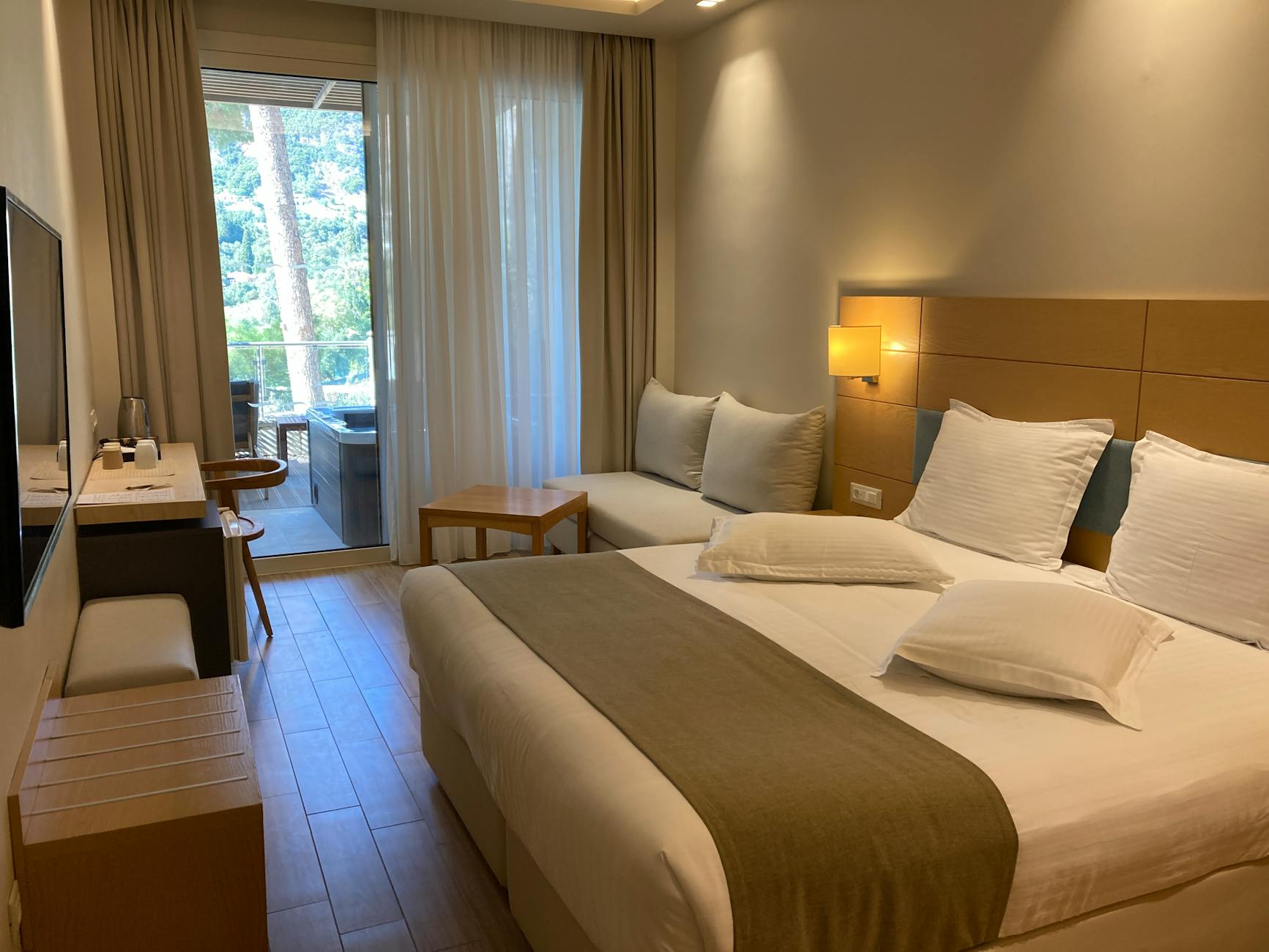
Your choice of neighborhood significantly affects your Athens experience. Here’s a quick overview to help with your Athens travel planning — for a detailed breakdown, see our comprehensive where to stay in Athens guide.
Plaka/Anafiotika: The most atmospheric area, right beneath the Acropolis. Charming streets, traditional architecture, touristy but beautiful. Best for first-time visitors who want to be in the heart of the action.
Monastiraki/Psyrri: Vibrant and central, close to the flea market and excellent nightlife. More energetic and younger-feeling than Plaka. Great for travelers who want bars, restaurants, and street life at their doorstep.
Syntagma/Kolonaki: Upscale and central, near luxury shopping and high-end hotels. Best for travelers who prioritize comfort and convenience.
Koukaki/Makrigianni: Quieter residential area just south of the Acropolis. Excellent value, authentic neighborhood feel, walking distance to major sites. Our top recommendation for most visitors.
Exarchia: Athens’ alternative/bohemian quarter. Cheapest accommodation, best independent restaurants, vibrant street art. Ideal for budget travelers and those who prefer a non-touristy atmosphere.
Getting Around Athens

Athens is a very walkable city for tourists, with most major attractions within a 30-minute walk of each other. The pedestrianized Dionysiou Areopagitou walkway connects the Acropolis area to the key archaeological sites, and most of the historic center is easy to navigate on foot.
When you need public transport, Athens has an excellent and affordable system. The metro is the backbone — three lines cover most tourist areas, trains run every 3–10 minutes, and the stations are clean and air-conditioned (some, like Syntagma, double as archaeological museums with artifacts displayed in glass cases). A single ticket costs €1.20 and is valid for 90 minutes across all public transport (metro, bus, tram). For a full overview of transport options, check our getting around Athens guide.
Taxis are reasonably priced by European standards. A ride across the city center rarely exceeds €8–12. The FreeNow app is the most reliable way to book a taxi — it shows the fare upfront and avoids potential meter-related issues. Ride-sharing services like Uber operate in Athens but use licensed taxis.
Booking Acropolis and Museum Tickets
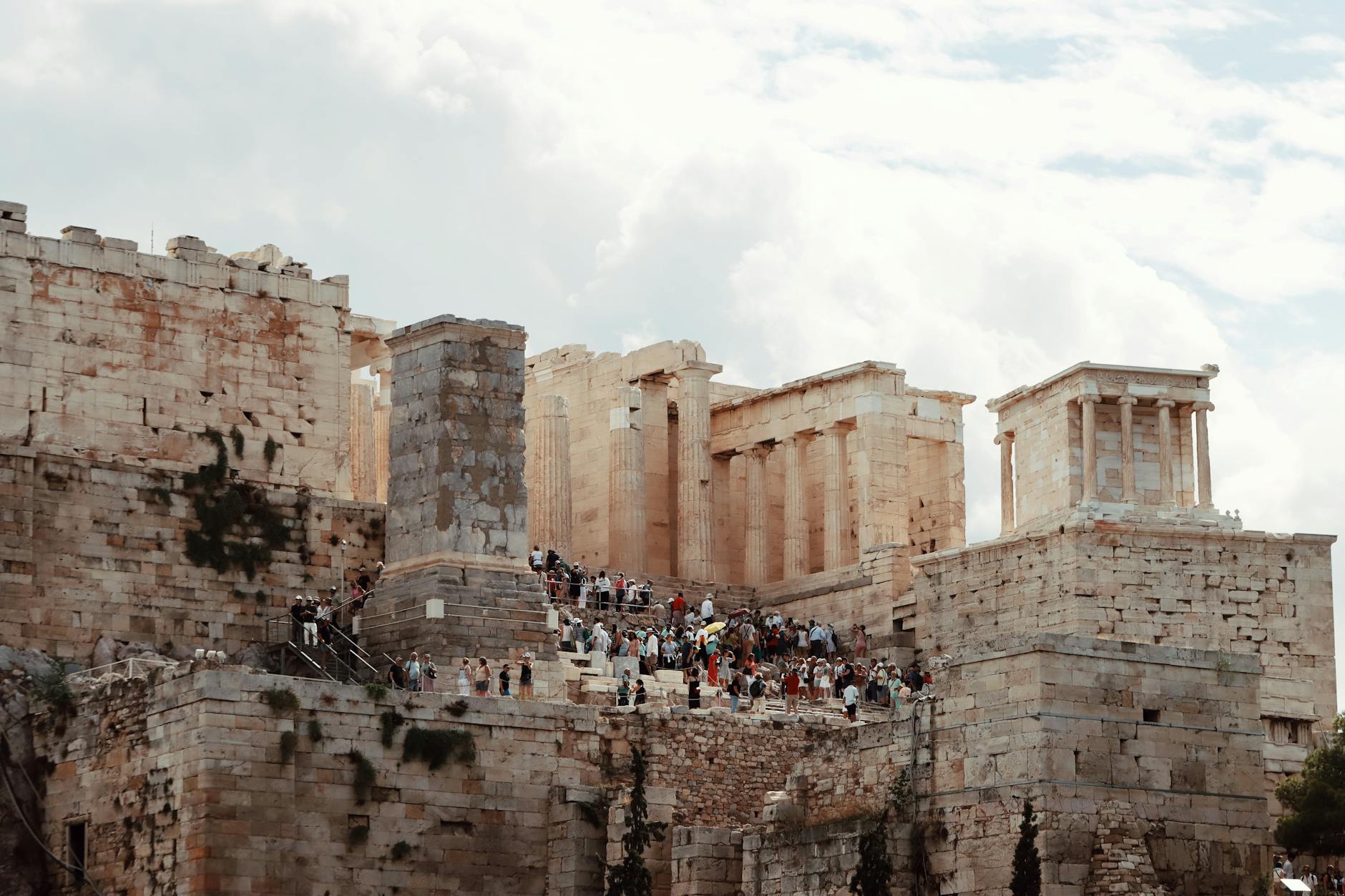
One of the most important parts of planning your Athens trip is booking your Acropolis tickets in advance. The system has changed significantly in recent years, and showing up without a ticket is no longer viable during busy periods.
Key booking details: The Acropolis now requires mandatory timed-entry tickets, booked through the official platform at hhticket.gr. A daily visitor cap of 20,000 means tickets can sell out 5–7 days in advance during peak season (June–September). General admission is €30, with reduced rates of €15 for EU seniors (65+) and non-EU youth (6–25). EU citizens under 25 and children under 5 enter free, but still need a zero-value timed ticket.
Best time to visit the Acropolis: Book the earliest available slot (8 AM in summer) for cooler temperatures and lighter crowds. Late afternoon (around 5 PM) is another good option, with beautiful golden-hour light for photography. Avoid midday in summer — the exposed marble reflects heat intensely and there’s virtually no shade.
Other museums worth booking: The Acropolis Museum (€15), National Archaeological Museum (€12), and Museum of Cycladic Art (€12) rarely sell out but buying tickets online saves queuing time. For a full guide to Athens’ historical sites and museums, see our dedicated article.
Safety Tips and Common Scams
Athens is a safe city for tourists, with a low violent crime rate comparable to other Western European capitals. The main risks for visitors are petty crime (pickpocketing) and common tourist scams — both easily avoided with basic awareness.
Pickpocketing Prevention
The Athens Metro is the most common venue for pickpocketing, particularly on crowded Line 1 (Piraeus–Kifissia) and at stations like Monastiraki, Syntagma, and Omonia. Keep your bag in front of you, avoid putting valuables in back pockets, and be extra alert when trains are crowded or doors are opening and closing. The Monastiraki flea market on Sundays is another hotspot.
Common Scams to Watch For
Taxi meter scam: Always insist the meter is running. The tariff should show “1” during the day and “2” at night (midnight–5 AM). Using the FreeNow app eliminates this risk entirely. Restaurant overcharging: Always check the menu for prices before ordering, especially in Plaka and Monastiraki. If a waiter brings unrequested items (bread, appetizers), ask about the charge before eating them. Friendship bracelet scam: Someone approaches offering a “free” bracelet, ties it on your wrist, then demands €10–20. Firmly refuse and walk away. “Free” gift scam: Similar to the bracelet scam — someone offers flowers, trinkets, or other items, then aggressively demands payment.
General Safety Advice
Avoid the area around Omonia Square late at night, particularly the streets south of the square. The neighborhoods of Exarchia and Psyrri are safe during the day but can feel edgier after midnight — use common sense. Save Greece’s emergency number (112) in your phone. Keep copies of your passport and travel insurance details on your phone and in your luggage separately from the originals.
What to Pack for Athens

Comfortable walking shoes: The single most important item. Athens is hilly, with uneven cobblestone streets, and you’ll walk far more than you expect. Avoid heels and slippery-soled shoes — the marble at archaeological sites is extremely slippery.
Sun protection: Sunscreen (SPF 50+), a hat, and sunglasses are essential from April through October. The Greek sun is intense, and you’ll spend significant time outdoors at exposed archaeological sites.
A refillable water bottle: Athens tap water is safe and good quality. Refill at your hotel to save money and reduce plastic waste. Stay well hydrated, especially in summer.
Layers and a light jacket: Even in summer, evenings can be breezy, and air-conditioned museums can feel cold after the outdoor heat. In spring and autumn, bring a light rain jacket.
Smart casual evening wear: Athens’ restaurant and nightlife scene leans stylish but not formal. Smart casual works for rooftop bars and nicer restaurants.
A day bag: A small, secure crossbody bag or anti-theft backpack for sightseeing days. Keep it zipped and in front of you on the metro.
Essential Greek Phrases
Most Athenians speak excellent English, but learning a few Greek phrases goes a long way — locals genuinely appreciate the effort, and it can turn routine interactions into warm exchanges.
Yia sas (YAH-sas) — Hello/goodbye (formal). Yia sou (YAH-soo) — Hello/goodbye (informal). Efharisto (ef-hah-ree-STOH) — Thank you. Parakalo (pah-rah-kah-LOH) — Please / You’re welcome. Ne (NEH) — Yes (confusingly, “ne” sounds like “no” in other languages). Ohi (OH-hee) — No. Signomi (seeg-NO-mee) — Excuse me / Sorry. Poso kani? (POH-soh KAH-nee) — How much does it cost? Ton logariasmo, parakalo (ton lo-gah-ree-az-MOH, pah-rah-kah-LOH) — The bill, please. Stin iyia mas! (stin ee-YAH mas) — Cheers! (literally “to our health”).
Practical Tips for First-Time Visitors

Dining Customs
Athenians eat late — lunch is typically 2–3 PM, and dinner rarely starts before 9 PM. Restaurants that are empty at 7 PM will be packed by 10 PM, so don’t judge a place by its early-evening crowd levels. Tipping isn’t obligatory but is appreciated — 5–10% for good service, or simply rounding up the bill. A cover charge (coperto) of €0.50–1.50 per person is standard and covers bread and table setting. Water is usually charged (€0.50–1 per bottle) unless you specifically ask for tap water. For a deep dive into Athens dining culture, see our Athens food guide.
Opening Hours
Greek opening hours can be confusing. Many shops follow a split schedule — open in the morning, closed in the afternoon, open again in the evening. Tourist areas keep more regular hours. Archaeological sites typically open at 8 AM and close between 5–8 PM depending on the season. Museums often close on Mondays. The Acropolis is open daily. For shopping hours, check our dedicated guide.
Connectivity and SIM Cards
Free Wi-Fi is widely available in Athens — most hotels, restaurants, and cafes offer it. For mobile data, EU residents benefit from roaming regulations (your home plan works at no extra cost). Non-EU visitors can pick up a prepaid Greek SIM card from Cosmote, Vodafone, or Wind shops — typically €10–20 for a tourist pack with data and calls. eSIMs from providers like Airalo or Holafly are increasingly popular as well.
Electricity and Adapters
Greece uses Type C and Type F European plugs (round two-pin). The voltage is 230V at 50Hz. US, UK, and Australian travelers will need a plug adapter. Most modern phone and laptop chargers are dual-voltage, but check your devices before plugging them in.
Bathroom Etiquette
Greece’s older plumbing systems have narrow pipes that can’t handle toilet paper. In many places (including some hotels), you’ll find a small bin next to the toilet for disposing of paper. This is completely normal and hygienic — bins are lined with bags and emptied frequently. Newer hotels and buildings have modern plumbing and will usually have a sign indicating you can flush paper, but when in doubt, use the bin.
Sample Athens Itineraries
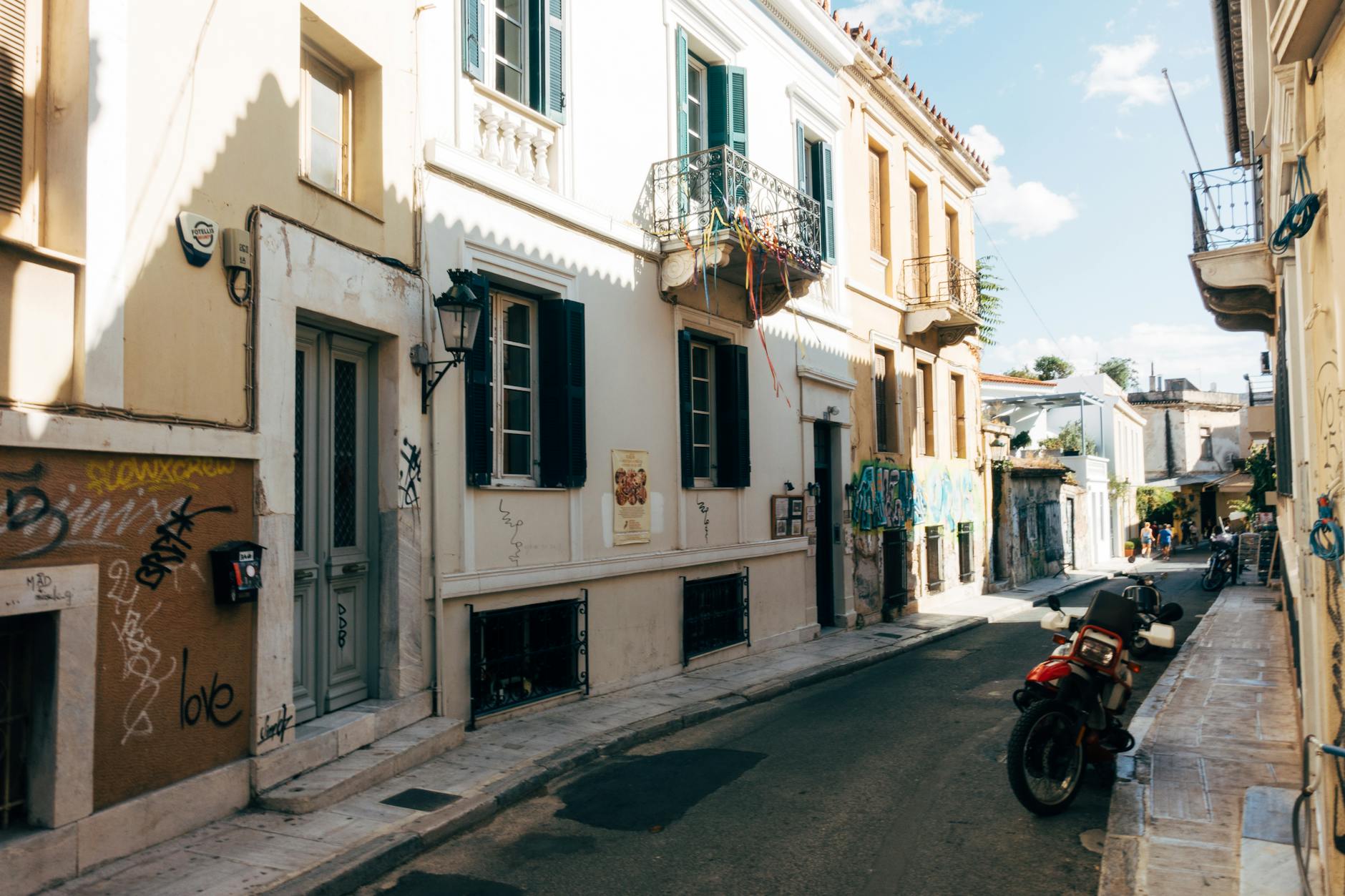
3-Day Athens Itinerary
Day 1 — Ancient Athens: Morning at the Acropolis (book the earliest slot), followed by the Acropolis Museum. Lunch in Plaka. Afternoon exploring the Ancient Agora and Roman Forum. Sunset from Areopagus Hill (Mars Hill). Dinner at a rooftop restaurant with Acropolis views.
Day 2 — Culture and Neighborhoods: Morning at the National Archaeological Museum. Walk through Exarchia for coffee and street art. Lunch in Psyrri. Afternoon at the Monastiraki flea market and Ermou Street shopping. Evening exploring Koukaki or Petralona for dinner at a local taverna.
Day 3 — Beyond the Center: Morning at the Panathenaic Stadium and National Garden. Visit the Temple of Olympian Zeus and Hadrian’s Arch. Afternoon free for exploring — options include the Benaki Museum, Stavros Niarchos Foundation Cultural Center, or a trip to the Athenian Riviera beaches. Farewell dinner at a traditional taverna.
5-Day Athens Itinerary
Follow the 3-day itinerary above, then add:
Day 4 — Day Trip: Full day excursion to Delphi, Hydra, or Cape Sounion. These make for unforgettable experiences and are easily accessible from Athens.
Day 5 — Local Life: Morning at a neighborhood farmers’ market (depending on the day of the week). Explore Kolonaki for upscale shopping and café culture. Afternoon at Lycabettus Hill for panoramic views (take the funicular or walk up). Evening food tour or cooking class to cap off your trip.
Travel Insurance
Travel insurance is not legally required for visiting Greece but is strongly recommended. A good policy should cover medical emergencies, trip cancellation, lost luggage, and theft. European Health Insurance Card (EHIC) holders from EU countries have access to Greek public healthcare, but the EHIC doesn’t cover repatriation or private medical care. Non-EU visitors should definitely have travel insurance — medical care in Greece is good quality but can be expensive without coverage.
Planning Your Athens Trip: Final Checklist
Before booking: Decide on your travel dates based on weather preferences and budget. Check passport validity (6 months beyond travel dates is safest). Look into whether you’ll need ETIAS authorization.
1–3 months before: Book flights and accommodation. Book Acropolis timed-entry tickets (essential in peak season). Arrange travel insurance. Research and book any guided tours or cooking classes you want to do.
1–2 weeks before: Download Google Maps offline maps for Athens. Download the FreeNow taxi app. Check weather forecasts and adjust packing. Notify your bank about travel to Greece to avoid card blocks. Check for any strikes or closures (Greece has occasional general strikes that can affect transport).
Day before departure: Print or save digital copies of Acropolis tickets, hotel confirmations, and travel insurance details. Charge all devices. Pack a universal power adapter. Put comfortable walking shoes on your feet, not in your suitcase.
Athens rewards planning with unforgettable experiences — from standing atop the Acropolis as the sun rises over the city, to discovering a hidden taverna where the owner brings you dishes you didn’t order (and shouldn’t refuse). Use this guide as your roadmap, explore our detailed guides on things to do, where to stay, and where to eat, and prepare yourself for one of Europe’s most captivating cities.